The Lisbon vs Porto debate splits travelers and Portuguese locals alike. Both cities have UNESCO sites, exceptional food scenes, and wine cultures that could occupy weeks. But if you only have one trip to Portugal, the answer depends on what kind of traveler you are and what you want from your Portuguese experience.
The short answer: Choose Lisbon if you want a full-scale European capital with museums, diverse neighborhoods, and easy day trips. Choose Porto if you want authenticity, better value, and a more manageable city size.
After spending months in both cities, here's the honest breakdown that cuts through the tourist board marketing.
Why Lisbon vs Porto Matters for First-Time Portugal Visitors
Most travelers to Portugal only make it to one major city. The distances are manageable - Porto to Lisbon takes 2.5 hours by train - but vacation days are finite. The choice between these cities shapes your entire Portuguese experience.
Lisbon operates like a proper European capital. It has 2.8 million people in the metro area, multiple distinct neighborhoods, and cultural institutions that rival Paris or Berlin. Porto feels more like a large town that happens to have extraordinary architecture and world-famous wine culture. With 1.3 million people in the metro area, you can walk across the historic center in 20 minutes.
The lisbon vs porto reddit discussions often miss this fundamental difference. Lisbon requires strategic planning to see properly. Porto rewards wandering.
Size and Scale: Managing Your Time
Lisbon spreads across seven hills and multiple distinct neighborhoods. Getting from Alfama to Belem takes 40 minutes on the tram. You could spend three days in Lisbon and barely scratch the surface of what the city offers.
Porto's historic center concentrates around the Ribeira district and Vila Nova de Gaia across the river. You can hit the major sights - Dom Luís I Bridge, Livraria Lello, São Bento Station - in a long day of walking. The compact size means you stumble into discoveries rather than hunting them down on Google Maps.
Transportation costs favor Porto significantly. In Lisbon, expect to spend EUR 3-6 daily on public transport to move between neighborhoods efficiently. Porto's historic center is walkable, though you'll want trams for longer distances.
Getting Around: Practical Differences
| Factor | Lisbon | Porto |
|---|---|---|
| Metro coverage | Excellent, 4 lines | Basic, 6 lines but limited historic center access |
| Walking difficulty | Challenging hills | Moderate hills |
| Daily transport budget | EUR 3-6 | EUR 1.5-3 |
| Taxi/Uber availability | Abundant | Good in center |
Cultural Attractions: Museums and Monuments
Lisbon wins the cultural heavyweight contest decisively. The Museu Calouste Gulbenkian alone justifies a trip - EUR 10 for one of Europe's finest private collections spanning 4,000 years. The National Museum of Ancient Art houses Portuguese masterpieces for EUR 6.
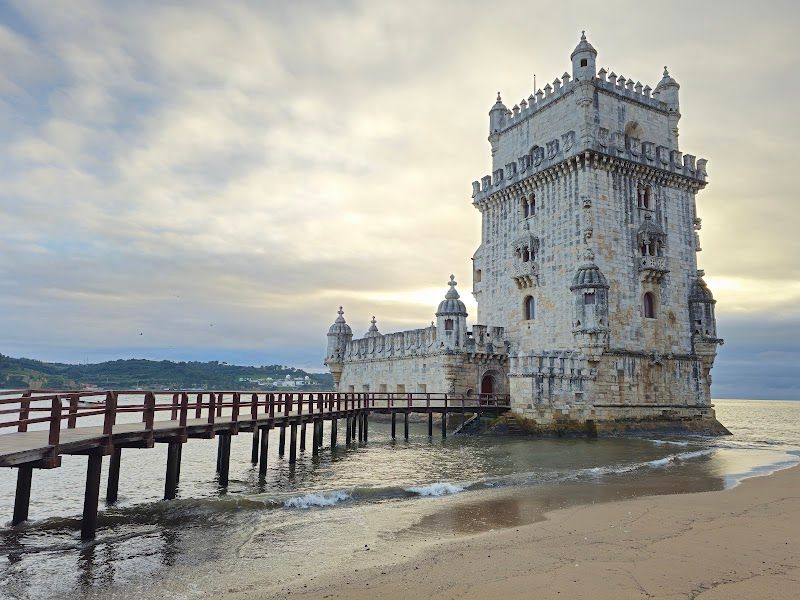
Belem concentrates Lisbon's UNESCO World Heritage sites. The Jeronimos Monastery (EUR 10) and Tower of Belem (EUR 6) represent the height of Manueline architecture. These aren't just tourist boxes to tick - they're genuinely spectacular examples of Portugal's Age of Discovery wealth.
Porto counters with different strengths. The Museu Nacional Soares dos Reis offers quality Portuguese art for EUR 3. Casa da Guitarra provides intimate fado performances for EUR 15. But Porto's real cultural draw is the city itself as a living museum.
Walking through Porto's Ribeira district or climbing the Torre dos Clérigos offers cultural immersion that doesn't require admission tickets. The azulejo tiles covering São Bento Station tell Portuguese history better than most museums.
Food Culture: Where Porto vs Lisbon Gets Interesting
Both cities excel at food, but in completely different ways. Lisbon's food scene reflects its capital city diversity. You'll find traditional tascas serving caldo verde alongside trendy restaurants doing modern Portuguese cuisine. The Time Out Market in Baixa showcases this range under one roof.
Lisbon food costs: A proper meal at a traditional tasca runs EUR 8-15 for the daily menu including soup, main course, and drink. Mid-range restaurants charge EUR 25-45 per person for dinner with wine. Tourist areas inflate prices - avoid restaurants on Rua Augusta or around major monuments.
Porto's food culture centers on local specialties done exceptionally well. The francesinha sandwich - bread, linguiça, fresh sausage, ham, steak, covered in cheese and beer sauce - costs EUR 8-12 and provides enough calories for two meals. Tripas à moda do Porto (tripe stew) earned Porto residents the nickname "tripeiros" (tripe eaters).
Porto also wins on value. A full meal with wine at a neighborhood restaurant costs EUR 15-25 per person. The portions are generous enough that sharing appetizers makes sense.
Wine and Drinking Culture
Porto obviously wins on port wine - you're literally in the birthplace. Vila Nova de Gaia across the river houses the port wine lodges where you can taste and tour for EUR 3-8. Taylor's, Sandeman, and Ferreira offer the most comprehensive experiences.
Lisbon counters with better wine bar culture. The Chiado & Bairro Alto neighborhoods have excellent wine bars showcasing Portuguese wines from all regions. By the glass prices start at EUR 2-6 for quality wine.
Beer culture tilts toward Lisbon. Portuguese beer (Super Bock or Sagres) costs EUR 1.5-3.5 for an imperial (small beer). Lisbon has more craft beer options and better late-night drinking neighborhoods.
Neighborhoods: Character and Walkability
Lisbon's neighborhood diversity gives it major advantages for longer stays. Alfama provides medieval charm and fado houses. Principe Real offers upscale shopping and cafes. LX Factory delivers creative spaces and weekend markets.
Each Lisbon neighborhood has distinct character, food scenes, and price points. You can eat lunch in budget-friendly Mouraria for EUR 8 and have dinner in expensive Chiado for EUR 45.
Porto's neighborhoods blend together more seamlessly. Cedofeita offers alternative culture and vintage shopping. Foz provides beaches and upscale dining. But the transitions feel gradual rather than the sharp contrasts between, say, Alfama and Parque das Nacoes in Lisbon.
Walkability advantage goes to Porto. The historic center connects logically - river to hilltop cathedral to shopping district. Lisbon's seven hills and spread-out attractions require more strategic planning.
Day Trip Options: Extending Your Portuguese Experience
Lisbon dominates day trip options. Sintra sits 40 minutes away by train with fairy-tale palaces like Pena Palace (EUR 14) and mysterious gardens at Quinta da Regaleira (EUR 12). Cascais offers beaches and seafood. Óbidos provides medieval charm within historic walls.
From Porto, you can reach the Douro Valley wine region for river cruises and quintas (wine estates). Aveiro, the "Venice of Portugal," offers colorful boats and ovos moles sweets. Guimarães, the birthplace of Portugal, has a well-preserved medieval center.
But Lisbon wins this category decisively. Sintra alone offers multiple full-day experiences. The variety ranges from beaches to palaces to wine country, all within an hour of the city center.
Accommodation: Where Your Euros Go Further
Porto consistently offers better accommodation value. A quality double room in Porto's historic center costs EUR 70-120 per night. The same standard in Lisbon runs EUR 90-160, with prime locations commanding EUR 150-250.
Budget accommodation comparison:
| Type | Porto | Lisbon |
|---|---|---|
| Hostel dorm | EUR 15-25 | EUR 18-35 |
| Budget hotel | EUR 40-70 | EUR 45-80 |
| Mid-range hotel | EUR 70-120 | EUR 90-160 |
| Boutique hotel | EUR 100-180 | EUR 120-250 |
Lisbon's accommodation prices reflect capital city demand and limited historic center inventory. Porto's smaller tourism numbers keep prices reasonable, though this advantage may not last indefinitely.
Weather and Timing: When Lisbon vs Porto Matters Most
Both cities have Mediterranean-influenced climates, but subtle differences affect travel planning. Lisbon averages 2-3°C warmer year-round. Summer temperatures in Lisbon can hit 35°C, while Porto rarely exceeds 30°C.
Porto gets significantly more rain - 150 rainy days annually versus 100 in Lisbon. The Atlantic influence brings frequent light rain October through April. If you're visiting in winter, Lisbon offers more reliable sunshine.
Summer brings opposite problems. Lisbon becomes genuinely hot with limited sea breeze. Porto benefits from Atlantic cooling and remains comfortable for walking.
Budget Breakdown: Real Costs for Each City
Based on moderate spending habits for a solo traveler:
Daily Budget - Porto
- Accommodation (mid-range): EUR 35
- Meals (breakfast, lunch, dinner): EUR 25
- Transport: EUR 2
- Attractions: EUR 8
- Drinks/coffee: EUR 6
- Total: EUR 76 per day
Daily Budget - Lisbon
- Accommodation (mid-range): EUR 55
- Meals (breakfast, lunch, dinner): EUR 35
- Transport: EUR 5
- Attractions: EUR 12
- Drinks/coffee: EUR 8
- Total: EUR 115 per day
Porto costs roughly 35% less than Lisbon for comparable experiences. Over a week-long trip, this difference adds up to EUR 270+ savings.
Should I Visit Lisbon or Porto: The Verdict
Choose Lisbon if:
- You want comprehensive museums and cultural institutions
- You prefer diverse neighborhoods with distinct characters
- Day trips to Sintra and Cascais appeal to you
- You're comfortable with higher costs for capital city amenities
- You have 4+ days to explore properly
Choose Porto if:
- You prioritize authentic Portuguese culture over tourist attractions
- Budget constraints matter significantly
- You prefer walkable cities over sprawling metros
- Wine culture (especially port) interests you more than general sightseeing
- You have 2-3 days and want to see a city thoroughly
For first-time Portugal visitors with limited time, Porto edges ahead. You'll experience genuine Portuguese culture, eat exceptional food, and leave feeling like you actually saw a city rather than rushing between tourist sites.
But if you're the type of traveler who researches neighborhoods, plans museum visits, and enjoys the energy of major cities, Lisbon rewards that approach better.
Porto or Lisbon First Time: Making the Final Call
The porto or lisbon first time portugal question ultimately depends on your travel style. Lisbon operates like other European capitals - rewarding but requiring effort. Porto feels more immediately accessible while delivering authentically Portuguese experiences.
Consider your broader European travel experience. If you've done Paris, Rome, and Berlin, Porto offers something genuinely different. If you're new to European travel, Lisbon provides familiar infrastructure with Portuguese character.
The honest answer many travelers don't want to hear: both cities deserve your time. But if forced to choose for a single Portugal trip, Porto delivers a more complete experience in less time with lower costs. You'll leave understanding Portuguese culture rather than just checking off tourist sites.
For a comprehensive approach to either city, check out our detailed guides on where to eat in Lisbon and visiting Lisbon on a budget to maximize your Portuguese adventure regardless of which city wins your travel planning debate.