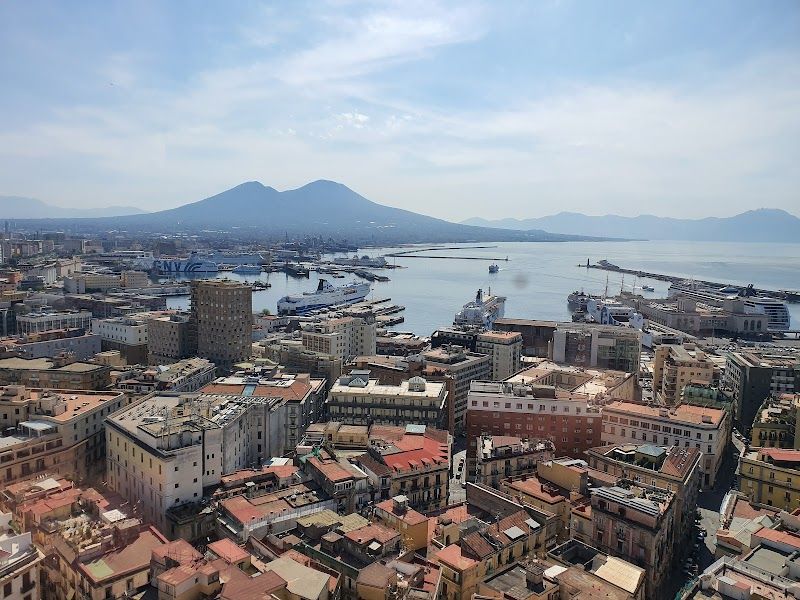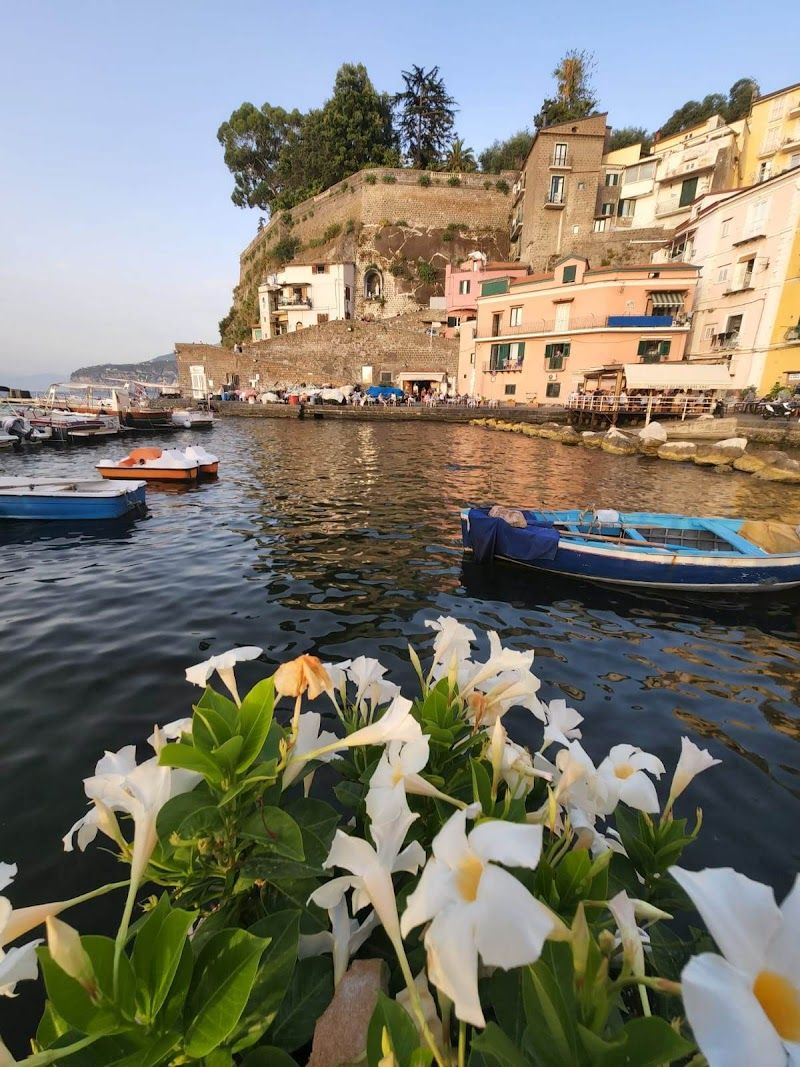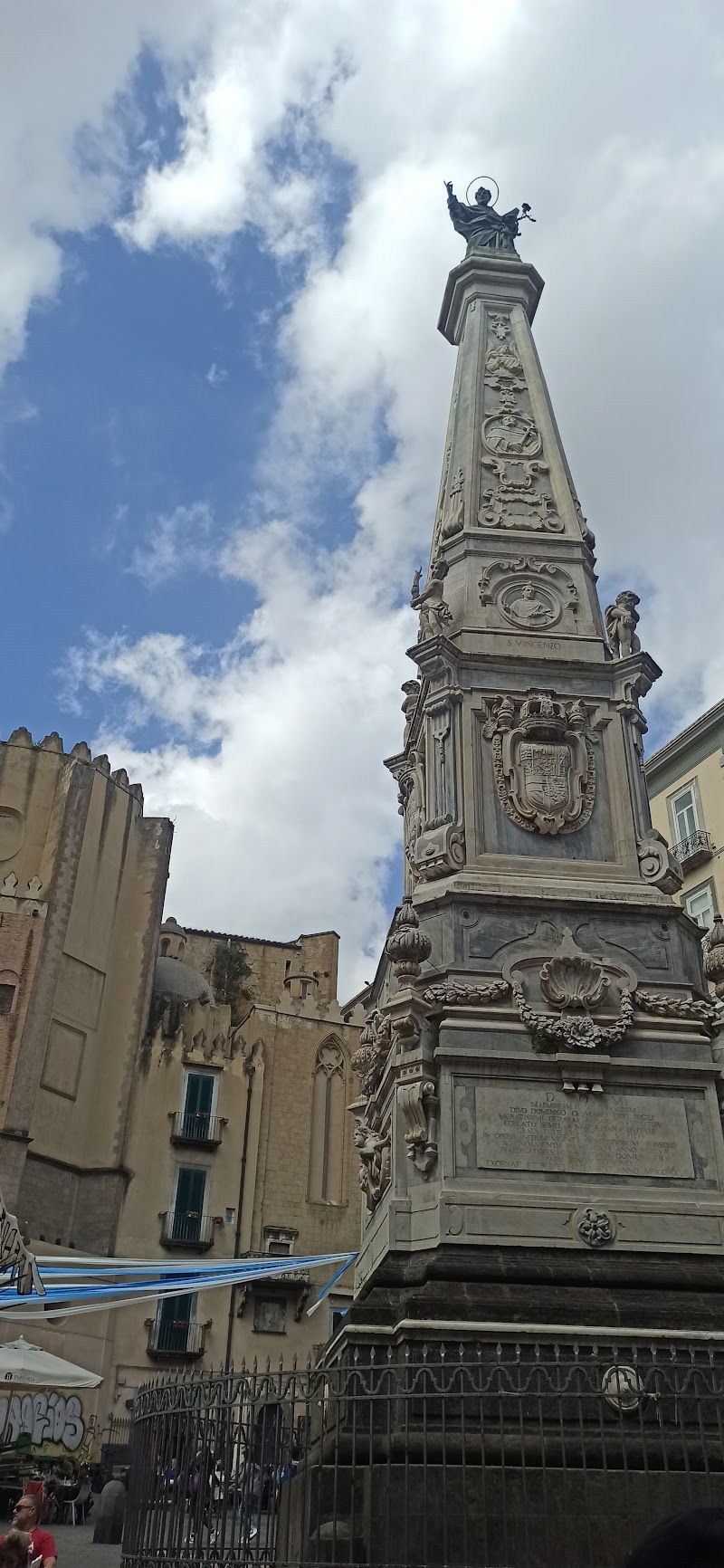
The Naples vs Rome debate splits travelers more than pineapple on pizza. Rome delivers the monuments and history you expect from Italy's capital, while Naples serves the most authentic Italian experience you'll find anywhere. After spending months in both cities, here's the truth: if you want to see Italy, go to Rome. If you want to feel Italy, go to Naples.
The choice between Naples or Rome isn't just about which has better pizza (spoiler: it's Naples by a mile). It's about what kind of traveler you are and what you're seeking from Italy. Rome rewards tourists with easy wins - the Colosseum, Vatican, and Trevi Fountain deliver Instagram gold. Naples rewards travelers willing to dig deeper into neighborhoods where tourists are still a curiosity rather than the main economy.
## Food: Naples Destroys Rome (And It's Not Even Close)
Naples invented pizza, and it shows. Walk down any street in the centro storico and you'll find pizzerias that have been perfecting the same recipe for over a century. L'Antica Pizzeria da Michele has served just two types of pizza since 1870 - margherita and marinara, both EUR 5-7. The 60-90 second cook time in their 485°C wood-fired oven produces a crust that's charred, pillowy, and impossible to replicate anywhere else.
Pizzeria Gino Sorbillo and Pizzeria Di Matteo sit within walking distance of each other, creating a pizza density that Rome can't match. In Rome, you'll pay EUR 12-18 for pizza that's often thin, crispy, and perfectly fine - but it's not Neapolitan pizza.
Street food tells the real story. Naples street vendors sell arancino (fried rice balls) for EUR 2-4 that burst with ragù and mozzarella. Roman supplì costs similar but lacks the complexity. Neapolitan sfogliatella pastries (EUR 1.5-3) have been perfected over centuries - the shell-like layers shatter to reveal ricotta and candied fruit filling that Rome's cornetti can't touch.
Coffee culture runs deeper in Naples. Romans drink their espresso (EUR 0.8-1.2) standing at bars, but Neapolitans have elevated coffee to an art form. The city's espresso tradition is so specific that UNESCO is considering it for cultural heritage status. Romans think their coffee is good - Neapolitans know theirs is better.
Even mid-range restaurants show the difference. A traditional Neapolitan dinner costs EUR 25-40 per person for dishes that trace back generations. Roman restaurants in tourist areas charge similar prices for food that's often adapted for international palates. For authentic Italian flavors, Naples wins decisively.
Culture and Atmosphere: Rome vs Naples Character
Rome feels like a museum where people happen to live. The city center revolves around tourist circuits connecting the Colosseum, Roman Forum, and Vatican. Walking through central Rome means navigating tour groups, souvenir stands, and restaurants with menus in six languages. It's impressive, but it doesn't feel particularly Italian.
Naples feels like Italy with the volume turned up. The Quartieri Spagnoli neighborhood pulses with actual life - laundry hanging between buildings, children playing football in narrow streets, and nonnas arguing about the proper way to make ragù. This isn't performed for tourists; it's just Tuesday in Naples.
The Spaccanapoli historic street follows the exact grid of ancient Neapolis, but unlike Rome's preserved monuments, it remains a living neighborhood where people shop for groceries and meet friends for coffee. You'll find more authentic Italian interactions in one day in Naples than a week in central Rome.
Art and museums show different strengths. Rome's Vatican Museums and Capitoline Museums house world-famous masterpieces, but they're also crowded and expensive (EUR 25+ each). Naples' National Archaeological Museum costs EUR 15 and contains the world's finest collection of Roman artifacts without the Vatican's crowds.
The Cappella Sansevero showcases the most technically sculpture in Italy - the Veiled Christ, where Sanmartino carved marble to look like transparent fabric in 1753. No Roman monument matches this level of artistic achievement, yet most tourists miss it entirely.
Practical Considerations: Getting Around and Costs
Transportation costs favor Naples slightly. Both cities charge EUR 1.1 for single metro/bus tickets, but Naples' ANM weekly pass (EUR 12.5) covers the entire metropolitan area including funiculars to Vomero hill. Rome's weekly pass costs EUR 24 and covers a smaller area relative to tourist attractions.
Airport transfers tell the story: Naples airport to city center costs a fixed EUR 18-25 by taxi or EUR 5 on the Alibus. Rome's airports require EUR 15 train tickets or EUR 50+ taxi rides. Naples wins on airport logistics.
Accommodation costs vary significantly by neighborhood. Mid-range hotels cost EUR 80-150 in both cities, but Naples offers better value. A EUR 120 boutique hotel in Naples' Lungomare area provides sea views and authentic neighborhood experience. The same price in Rome gets you a standard room near Termini station.
Budget travelers find better options in Naples - hostel dorm beds (EUR 18-35) are cleaner and better located than Rome's equivalents. Budget hotels (EUR 45-75) in Naples often sit in interesting neighborhoods rather than train station districts.
Safety and Tourist Infrastructure
Rome feels safer but less authentic. The historic center is well-policed and tourist-friendly, with clear signage and English-speaking staff everywhere. Pickpocketing exists but stays manageable with basic precautions.
Naples has an undeserved reputation for danger. The city center is perfectly safe during the day, and evening strolls through Spaccanapoli or along the Lungomare waterfront feel more welcoming than Rome's tourist zones. Yes, you should avoid certain outer neighborhoods, but the same applies to Rome.
Tourist infrastructure favors Rome heavily. Signs appear in multiple languages, restaurant staff speak English, and attractions cater to international visitors. Naples requires more patience - many restaurants don't have English menus, and museum information often appears only in Italian. This isn't a bug; it's a feature for travelers seeking authentic experiences.
When Naples Makes More Sense Than Rome
Choose Naples if you prioritize food over monuments. The pizza alone justifies the trip, but the city's complete culinary culture - from street food to family restaurants - provides the most authentic taste of Italy you'll find anywhere.
Naples suits travelers who enjoy discovery over checking boxes. Rather than following guidebook routes between famous sites, you'll wander neighborhoods where each street reveals something unexpected. The Centro Storico rewards exploration in ways Rome's tourist circuits don't.
Budget-conscious travelers often prefer Naples. Restaurant meals, accommodation, and local transportation cost 20-30% less than Rome, while delivering more authentic experiences. Your EUR 30 dinner in Naples will taste better and feel more Italian than a EUR 40 meal in Rome's tourist zone.
Art lovers should consider Naples seriously. Beyond the famous museums, the city contains baroque churches, underground roman ruins, and contemporary galleries that most tourists never discover. The concentration of artistic treasures per square kilometer rivals Rome without the crowds.
When Rome vs Naples Isn't Even Close
Choose Rome for your first Italy trip. The city delivers everything you expect from Italian travel - ancient history, Renaissance art, and recognizable landmarks. Rome provides a complete introduction to Italian civilization that Naples can't match.
Rome works better for short trips. Three days in Rome lets you see the Colosseum, Vatican, and major sites efficiently. Naples requires more time to appreciate - the best experiences come from slowing down rather than rushing between attractions.
Families with young children should lean toward Rome. The city offers more structured attractions, English signage, and tourist amenities that make travel with kids easier. Naples' authentic experience comes with less predictability.
First-time visitors to Italy benefit from Rome's infrastructure. English menus, tourist information centers, and international hotel chains provide comfort zones for nervous travelers. Naples throws you into authentic Italy immediately, which some travelers find overwhelming.
The Verdict: Naples vs Rome for Different Travel Styles
For food-obsessed travelers: Naples wins decisively. The city invented pizza, perfected coffee culture, and maintains culinary traditions that Rome has largely commercialized. You'll eat better in Naples for less money.
For history buffs: Rome takes it narrowly. While Naples has archaeological sites and museums, Rome's concentration of world-famous monuments from multiple eras gives it the edge. The Colosseum and Vatican remain unmatched.
For authentic Italian experience: Naples by a mile. The city feels genuinely Italian rather than international. You'll interact with locals, discover neighborhood gems, and experience Italy as Italians do.
For efficient sightseeing: Rome wins clearly. Tourist infrastructure, English signage, and concentrated attractions make Rome easier to navigate and photograph for social media.
For budget travelers: Naples provides better value. Lower costs for food, accommodation, and local transport, combined with fewer tourist traps, make your euros stretch further.
The truth about Naples vs Rome comes down to what you're seeking. Rome satisfies expectations about Italian travel - it's the Italy of movies and guidebooks. Naples delivers the Italy of real life - messier, louder, more genuine, and ultimately more rewarding for travelers willing to engage with authentic culture rather than tourist attractions.
If you can only visit one, choose based on your travel personality. Rome for your first Italian adventure, Naples for your second. But if you're serious about understanding Italy, you'll eventually visit both. Just don't expect them to feel like the same country.
Start planning your Naples adventure with our First Time in Naples guide or dive deeper into the city's culinary scene with our comprehensive Naples food guide. For itinerary planning, our 2-3 days in Naples guide covers the essential experiences that make this city .