Stockholm's food scene exists in parallel universes. There's the tourist version - overpriced salmon and mediocre meatballs served in Gamla Stan restaurants with English menus - and then there's the real Stockholm food scene where locals eat. The difference isn't subtle. One will cost you double and disappoint, while the other will show you why Stockholm has become one of Europe's most respected culinary capitals.
The stockholm local food culture runs deeper than trendy New Nordic restaurants. It's built on fika (coffee and pastry breaks that are practically mandatory), traditional dishes that actually taste good when done right, and a growing network of neighborhood spots that locals guard jealously. This Stockholm food guide cuts through the marketing to show you where Stockholmers actually spend their kronor.
Understanding Stockholm's Food Culture
The Fika Foundation
Fika isn't just coffee and cake - it's a cultural institution that shapes how Stockholm eats. Real fika happens between 10-11 AM and 2-3 PM, not whenever tourists feel like it. The ritual involves proper coffee (never instant), a cinnamon bun (kanelbulle) for SEK 25-45, and conversation that can't be rushed.
Vete-Katten (Kungsgatan 55, Norrmalm) has been Stockholm's fika headquarters since 1928. Their kanelbullar cost SEK 35 and are worth every öre. The interior looks like a Habsburg coffee house, complete with crystal chandeliers and waitresses in traditional uniforms. Tourist buses don't stop here because it's not in guidebooks - it's just where Stockholmers have always gone.
For neighborhood fika, Café Pascal (Upplandsgatan 48, Vasastan) serves the city's best cardamom buns (SEK 40) in a space no bigger than a living room. The owner, Marie, knows her regulars' orders and will judge you if you ask for oat milk.
The Stockholm Specialty Food Reality
Forget everything you think you know about Swedish meatballs. The tourist version served in Gamla Stan restaurants bears no resemblance to proper köttbullar. Real Swedish meatballs are smaller, lighter, and served with lingonberries and cream sauce that doesn't come from a packet.
Pelikan (Blekingegatan 40, Södermalm) has served the same meatball recipe since 1733. The dining room feels like a beer hall with high ceilings, dark wood, and servers who've worked here for decades. Their köttbullar (SEK 185 with all accompaniments) are the size of ping pong balls and taste nothing like IKEA's version. The restaurant fills with construction workers at lunch and date nights in the evening - both demographics know good meatballs.
Meatballs for the People (Södermalm locations) takes a modern approach but respects the fundamentals. Their portions are generous, prices fair (SEK 165 for a full plate), and the atmosphere relaxed enough for solo dining.
Where Locals Eat: Neighborhood by Neighborhood
Södermalm: The Real Food Scene
Södermalm contains Stockholm's most authentic restaurants, hidden in residential streets away from tourist routes. This is where young Stockholmers live and eat, creating a food scene that prioritizes quality over Instagram potential.
Hermans Trädgårdscafé (Fjällgatan 23B) serves Stockholm's best vegetarian buffet (SEK 225) with views over the harbor that rival any expensive restaurant. The setup is casual - you fill your plate, find a terrace table, and eat while watching ferries navigate between the islands. Locals come for weekend brunch and weekday lunch meetings.
Kvarnen (Tjärhovsgatan 4) operates as three different restaurants in one building: a beer hall, a formal dining room, and a summer terrace. The beer hall serves traditional Swedish dishes (dagens lunch for SEK 145) to a mix of blue-collar workers and office employees. The formal section upstairs handles special occasions with elk and reindeer dishes (SEK 285-320).
String (Nytorgsgatan 38) represents new Stockholm cuisine without the pretension. Chef Fredrik Eriksson trained in high-end kitchens but chose to open a neighborhood restaurant with 20 seats and no reservations. The menu changes weekly based on what's available, prices stay reasonable (SEK 165-235 for main courses), and the wine list favors natural wines from small producers.
Östermalm: High-End Done Right
Östermalm contains Stockholm's most expensive restaurants, but also some of its best. The difference lies in understanding which places earn their prices and which are trading on location alone.
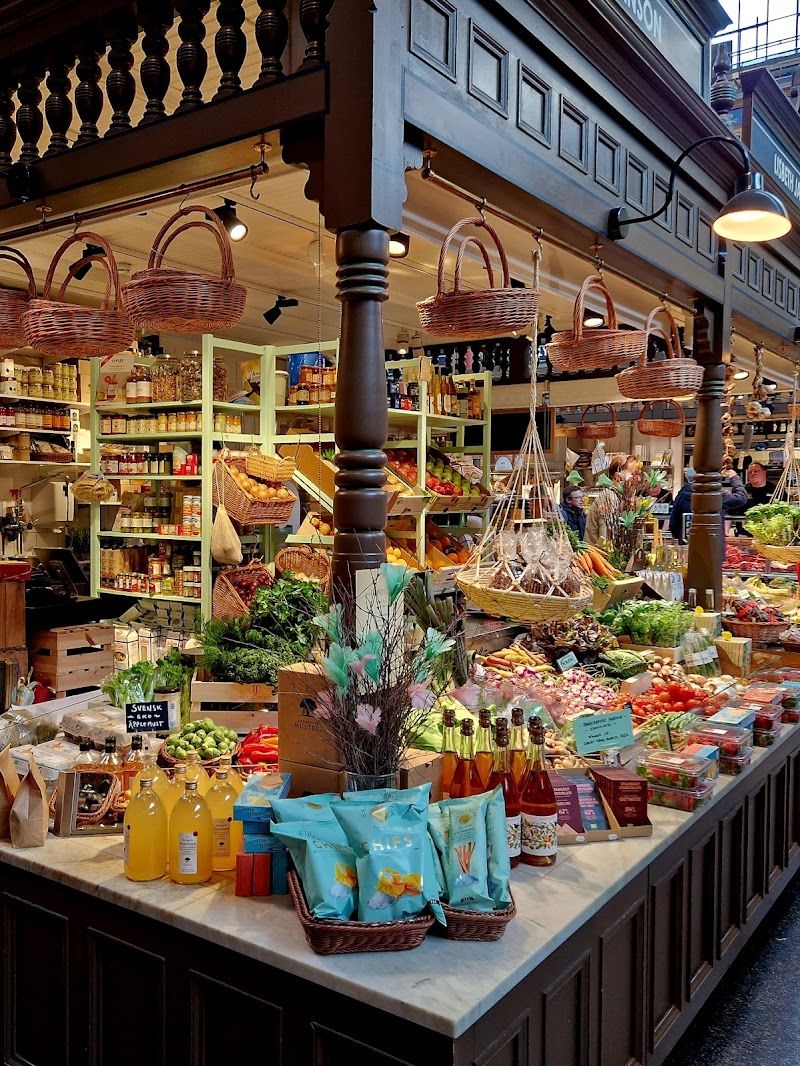
Östermalms Saluhall (Östermalmstorg 31) functions as Stockholm's gourmet market and informal dining destination. Melanders Fisk inside the market serves the city's best fish soup (SEK 185) at a counter overlooking the fish display. Lisa Elmqvist operates a raw bar where locals eat oysters and drink wine at 3 PM on Wednesdays (SEK 45 per oyster, SEK 125 for wine).
The market's Tysta Mari cheese counter doubles as a lunch spot. Order a plate of Swedish cheeses with bread and accompaniments (SEK 225) and eat standing at high tables while listening to conversations in Swedish, English, and French.
Sturehof (Stureplan 2) has fed Stockholm's establishment since 1897. The raw bar attracts finance workers for lunch (oysters SEK 40-55 each), while the dining room handles business dinners (SEK 385-485 for main courses). The service is formal but not stuffy, and the clientele represents old Stockholm money rather than tourists.
Norrmalm: Business Lunch Excellence
Norrmalm contains Stockholm's business district, creating a lunch scene focused on efficiency and quality. These restaurants survive on repeat customers who know good food and don't have time for nonsense.
Hötorgshallen (Hötorget) operates as Stockholm's main food hall, serving everyone from cab drivers to bank executives. Kajsas Fisk inside the hall serves the city's best fish and chips (SEK 165) - proper cod in beer batter with hand-cut chips. Sorundas Kött handles traditional Swedish dishes with elk burgers (SEK 145) and reindeer stew (SEK 185).
The hall's Melanders Ost cheese stall serves raclette and grilled cheese sandwiches (SEK 125-145) that draw lines of locals who know to arrive before 12:30 PM.
PA&CO (Riddargatan 8) represents modern Stockholm business dining. The lunch menu changes daily (SEK 165 for dagens), portions are sized for people returning to work, and service moves at the pace of Stockholm's business district. The evening menu shifts upscale (SEK 285-385 for main courses) for client entertainment.
Djurgården: Beyond Tourist Restaurants
Djurgården attracts tourists for its museums, but locals know the island contains excellent restaurants hidden among the trees and walking paths.
Rosendals Trädgård (Rosendalsterrassen 12) operates as Stockholm's most sustainable restaurant, growing most ingredients in its own gardens. The greenhouse dining room serves lunch made from vegetables harvested that morning (SEK 185-225 for main courses). Reservations are impossible, so locals arrive early and don't mind waiting for a table.
The restaurant's bakery produces Stockholm's best sourdough bread (SEK 45 per loaf), and locals bike here on weekend mornings to buy bread and eat cinnamon buns in the garden.
Oaxen Bistro (Beckholmsvägen 26) offers serious New Nordic cuisine without the formality of its upscale sibling restaurant. The bistro serves a daily menu based on seasonal ingredients (SEK 245-285 for main courses) in a setting that feels like dining in someone's sophisticated home.
Stockholm Must Try Food: Beyond the Obvious
Traditional Dishes Worth Finding
Stockholm specialty food extends beyond meatballs to dishes that tourists rarely encounter but locals consider essential. Ärtsoppa (split pea soup) appears on Thursday menus across the city, served with mustard and dark bread. Janssons frestelse (Jansson's temptation) combines potatoes, anchovies, and cream in a dish that sounds terrible but tastes remarkable.
Toast Skagen represents Stockholm's approach to luxury: shrimp, mayonnaise, and dill on toast that costs SEK 185-225 and justifies every krona. The best version comes from Prinsen (Master Samuelsgatan 4), where they've prepared it the same way since 1897.
Gravlax differs significantly from generic smoked salmon. Proper gravlax is cured with dill, salt, and sugar, then sliced thick and served with mustard sauce. Smörgåsbord restaurants serve tourist versions, but locals buy gravlax from Östermalms Saluhall vendors and eat it at home.
New Nordic: The Real Movement
Stockholm's New Nordic movement extends beyond celebrity chef restaurants to neighborhood places that apply modern techniques to traditional ingredients. This isn't molecular gastronomy - it's cooking that respects Swedish ingredients while improving traditional preparations.
Frantzen represents the movement's pinnacle but requires reservations months ahead and costs SEK 3,500 per person. More accessible options include Ekstedt (wood-fired cooking, SEK 1,850 tasting menu) and Gastrologik (natural wine focus, SEK 2,200 tasting menu).
For everyday New Nordic, Nook (Södermalm) serves modernized Swedish dishes (SEK 185-245) in a 25-seat space that fills with locals who book weeks ahead. The menu changes seasonally but always includes one traditional dish prepared with modern technique.
Seasonal Specialties
Kräftskiva (crayfish parties) happen in August when locals gather to eat freshwater crayfish, drink schnapps, and sing traditional songs. Restaurants serve crayfish during August (SEK 385-485 for a full portion), but the real experience happens at private parties.
Surströmming (fermented herring) appears on adventurous restaurant menus but is mostly consumed at home. The smell is legendary, the taste is acquired, and tourists who try it usually regret the decision.
Fat Tuesday (Fettisdag) brings semlor - cardamom buns filled with almond paste and whipped cream. Every bakery in Stockholm serves them from January through March (SEK 45-65 each), and locals have strong opinions about which versions are authentic.
Practical Stockholm Food Guide Information
Timing and Reservations
Stockholm restaurants operate on Swedish schedules that differ from Mediterranean dining habits. Lunch runs from 11:30 AM to 2 PM, dinner starts at 5 PM and peaks around 7 PM. Arriving at 9 PM for dinner means limited menu options and rushed service.
Reservations are essential at serious restaurants but impossible at the best casual spots. Places like String and Rosendals Trädgård don't take reservations, requiring early arrival and patience. Tourist restaurants always have tables - which tells you everything about their quality.
Pricing Reality
Stockholm food prices reflect the city's high cost of living. Budget meals cost SEK 125-185, mid-range dinners run SEK 450-750, and fine dining reaches SEK 950-1500 per person. These prices aren't negotiable, and tipping is included in menu prices.
Dagens lunch (daily lunch specials) offer the best value, typically including a main course, salad, bread, and coffee for SEK 125-185. Most restaurants serve dagens lunch Monday through Friday only.
Systembolaget (government liquor stores) maintains monopoly control over alcohol sales, making restaurant wine expensive. A glass that costs EUR 8 in Rome costs SEK 125-165 in Stockholm. Budget accordingly.
Dietary Accommodations
Stockholm restaurants accommodate dietary restrictions better than most European cities. Vegetarian options appear on every menu, vegan restaurants operate throughout the city, and gluten-free alternatives are widely available. Staff understand dietary restrictions and take them seriously.
Hermitage (Stora Nygatan 11, Gamla Stan) serves Stockholm's most respected vegetarian cuisine in a formal setting (SEK 285-385 for tasting menus). Växjö (Upplandsgatan 45) handles vegan fine dining with seasonal menus (SEK 485 for five courses).
Getting Beyond Tourist Food
The stockholm food scene rewards exploration beyond central tourist areas. Södermalm contains the most interesting restaurants, Östermalm offers luxury done right, and residential neighborhoods hide the best everyday spots.
Avoid restaurants with English menus posted outside - they're targeting tourists, not locals. Look for places where Swedish is the dominant language and menus focus on a few dishes done well rather than international fusion attempts.
Follow locals' schedules: fika at 10 AM and 3 PM, lunch between 11:30 AM and 2 PM, dinner starting at 5 PM. Restaurants adjust their service and menu quality to match these patterns.
Stockholm's food culture rewards patience, preparation, and willingness to eat like a local rather than a tourist. The difference in quality and authenticity justifies the extra effort to find where Stockholmers actually choose to spend their money and time. Skip the obvious tourist restaurants in Gamla Stan, venture into residential neighborhoods, and discover why Stockholm has earned its reputation as one of Europe's great food cities.
For more comprehensive planning, check our First Time in Stockholm guide and 2-3 day Stockholm itinerary to help structure your culinary exploration of the city.