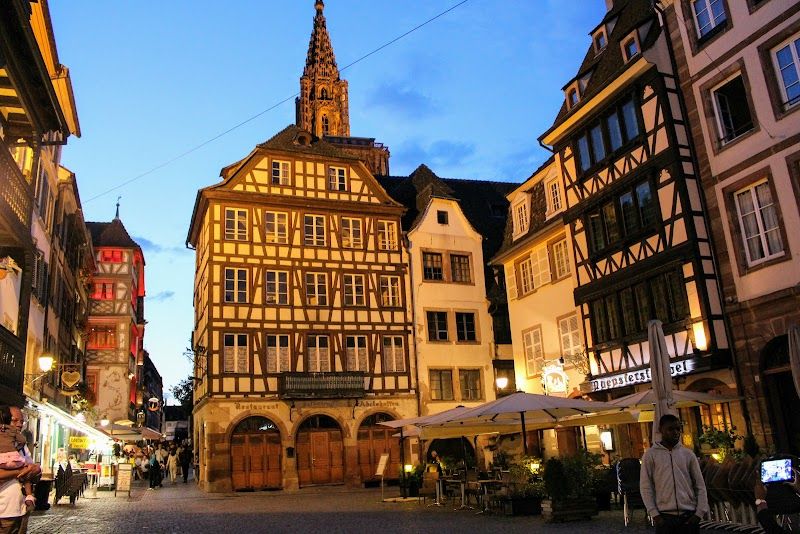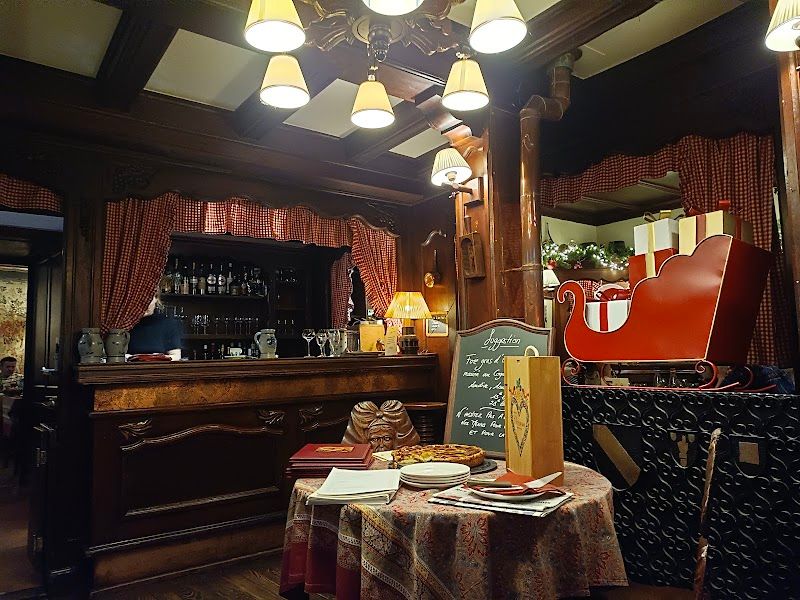
Finding good Strasbourg food places means ignoring the menus in six languages clustered around the cathedral. The real dining scene happens in neighborhood winstubs where the only concession to tourism is grudgingly translating "choucroute" as "sauerkraut" on handwritten blackboards. These wood-paneled wine taverns have been serving tarte flambée (EUR 8-14) and local Riesling since before France and Germany finished arguing over who owns this city.
Strasbourg's food identity comes from centuries of cultural ping-pong between France and Germany. What emerged is Alsatian cuisine: heartier than typical French food, more refined than German fare, and utterly distinct from both. The best Strasbourg restaurants understand this heritage and either execute traditional dishes flawlessly or build modern interpretations on those foundations.
Traditional Winstubs: Where Strasbourg Dining Began
Winstubs are the foundation of Strasbourg's restaurant scene. These wine taverns served workers and merchants for centuries, and the best ones still operate like neighborhood institutions rather than tourist attractions. The word combines "Wein" (wine) and "Stube" (room), which tells you everything about priorities.
Chez Yvonne on Rue du Sanglier exemplifies the authentic winstub experience. The wood-paneled interior hasn't changed since 1873, and neither has the approach to choucroute garnie (EUR 16-22). This massive plate arrives with five different pork preparations buried under properly fermented sauerkraut. The Riesling list focuses on small Alsatian producers, and servers expect you to know the difference between a Gewürztraminer and a Pinot Gris.
Le Tire-Bouchon near Place Gutenberg takes a more polished approach while maintaining winstub traditions. Their tarte flambée arrives properly charred from a wood-fired oven, with the thin crust achieving the right balance between crispy edges and chewy center. The gratinée à l'oignon (approximately EUR 9-12) here surpasses most French onion soups you'll find in Paris.
The Winstub Rules You Need to Know
Authentic winstubs operate differently from typical restaurants. You share tables during busy periods - this isn't rude, it's tradition. The wine selection focuses exclusively on Alsatian producers, often from specific villages along the Route des Vins. Many close between lunch and dinner service, and Sunday closures are common.
Expected etiquette includes ordering wine by the glass rather than bottles (which marks you as a tourist), asking about daily specials written only in Alsatian dialect, and understanding that service prioritizes efficiency over friendliness. These aren't unfriendly places, but they cater to regulars who know what they want.
Modern Alsatian: Contemporary Takes on Regional Cuisine
The next generation of Strasbourg eateries respects traditional foundations while introducing modern techniques and presentations. These restaurants understand that Alsatian cuisine can evolve without losing its identity.
Brasserie Les Haras occupies a converted 18th-century stable in the Petite France district. Chef Marc Haeberlin applies fine dining techniques to regional ingredients, creating dishes like slow-cooked pork shoulder with sauerkraut foam and juniper reduction (approximately EUR 28-35). The space itself justifies a visit - soaring ceilings, original stone walls, and contemporary lighting create atmosphere without feeling contrived.
Le Gavroche on Rue des Tonneliers represents the bistro evolution of Alsatian cooking. Their menu changes seasonally but consistently features reinterpretations of local classics. The tarte flambée here comes topped with smoked trout and crème fraîche (approximately EUR 14-18), while the coq au Riesling incorporates wine from specific Alsatian villages rather than generic cooking wine.
Understanding the Price Spectrum
Strasbourg dining prices reflect both location and ambition. Traditional winstubs charge EUR 12-18 for lunch set menus, while modern interpretations of Alsatian cuisine cost EUR 25-40 for dinner with wine. Fine dining experiences reach EUR 55-85 for three-course meals with wine pairings.
The sweet spot for quality versus value sits in the EUR 20-30 range per person, where you'll find serious cooking without tourist markup. Restaurants in the Grande Ile cathedral area charge premium prices but don't always deliver premium food.
International Flavors: Beyond Alsatian Boundaries
While Alsatian food dominates Strasbourg's restaurant scene, the city's international connections - particularly through the European institutions - have created demand for diverse cuisines. The European Quarter and Krutenau neighborhoods offer the most variety.
Umami on Avenue des Vosges serves legitimate Japanese cuisine, rare in eastern France. Their ramen (approximately EUR 12-16) uses proper tonkotsu broth, and the sushi selection includes fish flown in from Paris markets. The lunch bento boxes (approximately EUR 15-20) provide excellent value for this quality level.
L'Artichaut in Krutenau focuses on Mediterranean flavors with seasonal French technique. Their bouillabaisse (approximately EUR 24-28) rivals versions found in Marseille, while the wine list balances Alsatian selections with bottles from Provence and Languedoc.
The University District Advantage
The Krutenau district's student population drives a different restaurant economy. Smaller establishments offer generous portions at reasonable prices, often with more experimental menus than traditional venues. Many accept student meal vouchers, which keeps prices competitive even for non-students.
Ethnic restaurants cluster around Rue de Zurich and Rue du Faubourg de Pierre, reflecting the international student body. Vietnamese pho, Turkish kebabs, and Italian pizza provide alternatives to Alsatian fare, usually priced EUR 8-14 for main courses.
Market Dining: Street Food and Casual Eats
Strasbourg's market culture extends beyond the famous Christmas Market to year-round food vendors and casual dining spots that capture local eating habits better than formal restaurants.
Place du Marché aux Poissons hosts a Saturday market where vendors sell prepared foods alongside fresh ingredients. The Moroccan stall serves tagines (approximately EUR 8-12) that rival restaurant versions, while the Alsatian charcutier offers sandwiches on fresh bread with house-made sausages (approximately EUR 6-9).
Bretzels vendors throughout the Grande Ile sell proper Alsatian pretzels (EUR 2.5-5), larger and chewier than German versions. The best come from stands near the cathedral early in the morning when they're still warm.
Seasonal Eating Patterns
Strasbourg's food scene shifts dramatically with seasons. Summer brings outdoor terraces and lighter menus emphasizing Alsatian white wines. Winter means hearty stews, choucroute, and the Christmas Market's vin chaud (mulled wine) and bredele (Christmas cookies).
Spring and fall offer the best restaurant experiences - comfortable weather for walking between venues, seasonal ingredients at peak quality, and locals dining out regularly rather than hibernating or vacationing.
Wine Bars and Casual Dining
Alsatian wine culture permeates Strasbourg's casual dining scene. Wine bars serve as social centers where food complements the drinking experience rather than dominating it.
Les Caves de la Brasserie near Place Kléber maintains an impressive selection of local producers. Their tartines (open-faced sandwiches) pair perfectly with Alsatian wines, particularly the version topped with Munster cheese and caraway seeds (approximately EUR 9-13). The cheese selection emphasizes regional producers, including proper Munster that actually smells as pungent as it should.
Au Brasseur on Rue des Orphelins combines wine bar atmosphere with substantial food. Their charcuterie plates (approximately EUR 14-18) feature house-made terrines and locally sourced sausages. The Gewürztraminer selection here includes bottles from small producers rarely found outside Alsace.
Decoding Alsatian Wine Lists
Strasbourg wine bars assume basic knowledge of regional varieties. Riesling ranges from bone-dry mineral expressions to off-dry versions with slight sweetness. Gewürztraminer offers floral aromatics with varying intensity. Pinot Gris provides body and richness between the other two extremes.
Vintage matters less than producer reputation and specific vineyard sites. Grand Cru designations indicate superior terroir, while "Vendanges Tardives" means late-harvest wines with concentrated flavors and higher prices.
Breakfast and Coffee Culture
Strasbourg's morning food scene blends French café culture with German-influenced heartiness. Understanding local breakfast patterns helps you eat well during morning hours when many restaurants remain closed.
Pâtisserie Christian on Rue Mercière produces exceptional viennoiseries (croissants, pain au chocolat) using traditional techniques. Their kougelhopf (approximately EUR 3-5), the traditional Alsatian sweet bread, surpasses most versions found in tourist shops. Arrive before 9 AM for the best selection.
Café Atlantico serves proper espresso (EUR 2.5-4) along with substantial breakfast plates that bridge French and German traditions. Their version of eggs Benedict includes local ham and Munster cheese hollandaise (approximately EUR 12-15).
Coffee Quality Standards
Strasbourg's coffee scene has improved dramatically in recent years. Third-wave coffee shops now compete with traditional cafés, though many locals still prefer strong, simple espresso over elaborate specialty drinks.
Germany's proximity influences coffee preferences - many Strasbourgeois prefer coffee stronger and less milky than typical French preparations. Filter coffee remains uncommon outside tourist-oriented venues.
Practical Dining Considerations
Successful dining in Strasbourg requires understanding local customs and practical constraints that differ from other French cities.
Reservations become essential during peak tourist seasons (Christmas Market period, summer months) and for dinner service at popular restaurants. Many traditional winstubs don't accept reservations for lunch but operate on a first-come basis.
Payment customs lean traditional - cash preferred at smaller establishments, though cards are increasingly accepted. Tipping remains optional but 5-10% is appreciated for good service.
Dining Hours and Closures
Restaurant hours in Strasbourg follow regional patterns rather than French standards. Lunch service typically runs 12:00-14:00, with many places closing completely between lunch and dinner. Evening service starts around 19:00 and ends by 22:00 on weekdays, slightly later on weekends.
Sunday and Monday closures are common, particularly among traditional establishments. Tuesday through Thursday offers the most consistent availability across different restaurant types.
For comprehensive guidance on navigating Strasbourg's food scene, including seasonal specialties and wine pairing recommendations, consult our detailed food and wine guide. Planning a longer stay? Our 2-day Strasbourg itinerary incorporates dining recommendations with sightseeing logistics.
Making Your Dining Choices
The best Strasbourg food places balance authenticity with quality, whether they're traditional winstubs or modern interpretations of regional cuisine. Avoid restaurants with tourist menus near major landmarks, and instead venture into residential neighborhoods where locals actually eat.
Prioritize establishments that specialize in Alsatian cuisine or offer clear modern interpretations of traditional dishes. Generic French restaurants rarely excel in this particular city - the regional identity is too strong and distinctive to ignore.
Your dining budget determines access levels, but excellent food exists across all price ranges. Traditional winstubs offer the most authentic experience, while modern Alsatian restaurants provide refined interpretations. International options fill specific cravings but shouldn't dominate your Strasbourg dining experience.
The city's unique cultural position created a food scene unlike anywhere else in France. Taking advantage requires moving beyond obvious tourist choices and eating where Strasbourgeois residents make their regular dining decisions.