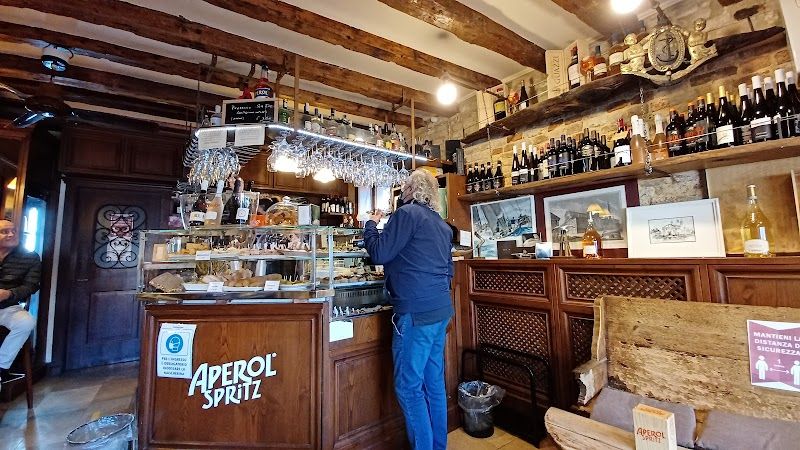
Venice food specialties reflect a city built on trade routes and surrounded by water. The cuisine here isn't Italian in the way Rome or Naples is Italian - it's Venetian, shaped by Byzantine spice merchants, Austrian rule, and centuries of fishing in the Adriatic. Forget the overpriced tourist pasta near St. Mark's Square. The real Venice food known for its sophistication lies in neighborhood bacari where locals crowd around zinc counters, picking at small plates and drinking wine from thick glasses.
The foundation of Venetian eating is the bacaro culture. These are wine bars that serve cicchetti, small plates similar to Spanish tapas but distinctly Venetian in their preparation and ingredients. You'll find the best bacari scattered throughout Cannaregio and San Polo, away from the crowds flooding the area around the Doge's Palace. A proper bacaro crawl should be part of any venice food guide, and understanding cicchetti is essential to understanding how Venetians actually eat.
Venice Cicchetti: The Heart of Local Food Culture
Cicchetti are the foundation of Venice specialties, small plates designed to accompany wine rather than serve as full meals. Unlike Spanish tapas, cicchetti are typically eaten standing at the bar counter, creating a social ritual that defines Venetian evenings. The word comes from the Latin "ciccus," meaning small quantity, and these plates cost EUR 1.5-4 each.
The most common cicchetti include baccalà mantecato (whipped salt cod spread on polenta or bread), sarde in saor (sardines marinated in sweet and sour onions), and polpette (meatballs, often made with fish). Each bacaro has its own specialties - Cantina Do Mori near the Rialto serves excellent tramezzini (triangular sandwiches), while All'Arco offers some of the city's best crostini topped with seasonal ingredients.
Cicchetti etiquette matters. Point to what you want rather than asking for descriptions (most bartenders speak limited English). Eat standing at the counter, pay as you go, and move on - these aren't places for lingering over multiple courses. The busiest bacari from 6-8 PM are usually the best ones.
Where to Find the Best Cicchetti
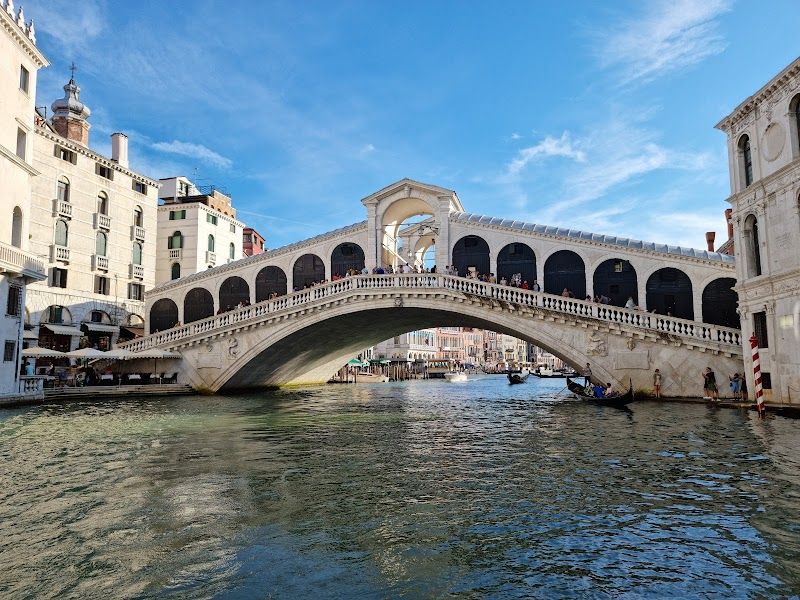
The Rialto Bridge and Market area concentrates some of Venice's oldest bacari. Cantina Do Spade, operating since 1488, serves traditional cicchetti in a setting that feels authentically historical rather than manufactured for tourists. Their baccalà mantecato costs EUR 2.5 per portion.
In Dorsoduro, Osteria Al Squero offers cicchetti with views of the gondola repair yard across the canal. The atmosphere here is more relaxed than the intense social scene at bacari near the Rialto, making it better for first-time visitors to Venetian food culture.
Risotto: Venice's Signature Rice Dishes
Venice food specialties revolve around rice more than pasta, a legacy of trade with the Ottoman Empire and cultivation in the nearby Veneto region. Risotto al nero di seppia (black risotto with cuttlefish ink) is the dish most associated with Venice, and when done properly, it's spectacular rather than just Instagram-worthy.
Authentic nero di seppia uses fresh cuttlefish, not just squid ink for color. The rice should be creamy but still have bite, and the ink provides a briny, oceanic flavor rather than just dramatic black color. Expect to pay EUR 18-24 for this dish at restaurants away from San Marco, more in tourist areas.
Risotto di gò uses goby fish from the lagoon, creating a dish that tastes distinctly of Venice's specific environment. The gò is a small, ugly fish that's essential to traditional Venetian cooking but rarely appears on tourist-oriented menus. Risotto de bisi (rice and peas) represents springtime in Venice, when the first peas arrive from the mainland.
The technique matters enormously with Venetian risotto. The rice should be toasted before adding liquid, and the stirring should be constant but gentle. Many restaurants in San Marco serve risotto that's too liquid or has been sitting too long - the best versions come from kitchens that make each portion to order.
Risotto Recommendations by Neighborhood
For excellent risotto away from tourist crowds, head to Cannaregio where Osteria La Zucca serves creative versions alongside traditional preparations. Their risotto changes seasonally, reflecting what's available at the Rialto Market.
In Castello, restaurants near the Arsenale serve risotto that reflects the neighborhood's working-class history rather than tourist expectations. The portions are larger, the prices lower (EUR 14-18 for nero di seppia), and the preparation more focused on flavor than presentation.
Venetian Seafood Specialties
Being surrounded by water means Venice food known for seafood extends far beyond typical Italian preparations. Baccalà alla vicentina uses salt cod soaked and prepared with milk, onions, and anchovies, creating a dish that's rich and complex rather than simply fishy. Despite the name suggesting Vicenza, this preparation is common throughout the Veneto region and appears on most traditional Venetian menus.
Moleche are soft-shell crabs caught in the lagoon during molting season (spring and fall). These are expensive (EUR 30-40 for a portion) and seasonal, but they represent Venice's unique lagoon ecosystem. The crabs are often served simply fried, allowing their sweet, delicate flavor to dominate.
Sarde in saor appears as both a cicchetti and a full dish. The sardines are fried then marinated in a mixture of onions, vinegar, pine nuts, and raisins - a combination that shows Venice's historical connections to Middle Eastern cuisine through trade. The sweet-and-sour preparation preserves the fish while creating complex flavors.
Bigoli in salsa uses thick, hand-made pasta with an anchovy and onion sauce. The bigoli pasta originated in the Veneto and has a rougher texture than typical spaghetti, helping it hold the intensely flavored sauce. This dish appears on most traditional menus for EUR 12-16.
Seasonal Seafood Considerations
Venice specialties change dramatically by season due to fishing regulations and natural cycles. Spring brings moleche and the first lagoon vegetables. Summer offers the widest variety of Adriatic fish. Fall provides the second moleche season and shellfish. Winter focuses on preserved fish and hearty preparations.
Restaurants that change their menus seasonally are usually more authentic than those serving the same dishes year-round. Ask what's fresh rather than ordering from tourist-oriented English menus that rarely reflect seasonal availability.
Fegato alla Veneziana and Meat Dishes
Fegato alla veneziana (Venetian-style liver) demonstrates how Venice food specialties adapt common ingredients through specific techniques. The calf's liver is sliced thin and cooked quickly with onions, creating a dish that's tender rather than tough. The preparation requires skill - overcooking makes liver unpalatable, while undercooking creates texture problems.
This dish costs EUR 16-22 at traditional restaurants and appears more frequently on menus in working-class neighborhoods like parts of Cannaregio and Castello. Tourist-focused restaurants often skip it because liver doesn't appeal to international visitors, but it's essential to understanding how Venetians approach meat.
Risi e bisi translates to "rice and peas" but represents more than simple ingredients. This dish falls between risotto and soup, traditionally served on April 25th (St. Mark's Day) to celebrate spring. The consistency should be "all'onda" (wavy), meaning it flows when stirred but isn't liquid.
Venetian meat dishes often incorporate unusual cuts or preparations that reflect the city's history of adapting to limited resources. Pastissada de caval (horse stew) occasionally appears on traditional menus, though most restaurants now use beef. The preparation involves long, slow cooking with wine and vegetables.
Traditional Venetian Sweets and Desserts
Tiramisù originated in the Veneto region, possibly in Venice itself, though multiple cities claim credit. The Venetian version typically uses stronger coffee and less sugar than versions served elsewhere in Italy. Traditional tiramisù uses savoiardi cookies rather than ladyfingers, and mascarpone cheese mixed with eggs, sugar, and coffee.
Authentic tiramisù costs EUR 6-8 at restaurants and should be made fresh daily rather than prepared in large batches. The best versions balance coffee bitterness with mascarpone richness without becoming overly sweet.
Fritole are Venetian carnival fritters, traditionally made during the weeks before Lent. These contain raisins, pine nuts, and sometimes custard or jam filling. They're sold from temporary stands during Carnival season (February-March) rather than year-round, making them a truly seasonal Venice specialty.
Bussolai buranelli come from the island of Burano and resemble simple butter cookies shaped into rings. These were originally made for fishermen because the hard texture and low moisture content meant they kept well during long fishing trips. Modern versions are softer but maintain the traditional "S" or ring shape.
Baicoli are thin, crisp cookies traditionally served with coffee or wine. The name comes from "bajcoli," meaning "little sticks," and refers to their thin, elongated shape. These appear more often in Venetian homes than restaurants, but some traditional cafes still serve them.
Where to Find Traditional Venetian Sweets
Pasticceria Tonolo in Dorsoduro has operated since 1886 and serves traditional Venetian pastries alongside modern Italian desserts. Their fritole during Carnival season are made using recipes dating back generations.
Rosa Salva has multiple locations and offers both traditional and contemporary Venetian sweets. Their tiramisù is reliably good, and they stock bussolai buranelli year-round for visitors who want to try these traditional cookies.
Venetian Wine and Aperitivo Culture
Venice food specialties pair with wines from the Veneto region, creating combinations that enhance both food and wine. Soave (white) and Amarone (red) represent the most prestigious Veneto wines, but everyday Venetian drinking focuses on simpler wines served in traditional "ombra" portions.
An "ombra" is a small glass of wine, traditionally consumed standing in the shadow (ombra) of the Campanile di San Marco. The term now refers to any small wine portion, typically costing EUR 3-6 at bacari depending on wine quality and location.
Aperol Spritz originated in Padua but became associated with Venice through tourism marketing. The drink combines Aperol, Prosecco, and soda water, served over ice with an orange slice. Authentic versions cost EUR 8-15 depending on location, with canal-side bars charging premium prices for the setting.
The aperitivo ritual happens from 6-8 PM when Venetians gather at bacari before dinner. This isn't just drinking - it's a social institution that maintains community connections in a city where rising costs and tourism pressure threaten traditional neighborhood life.
Understanding Venetian Wine Service
Wine at bacari is served in thick glasses that hold about 100ml - larger than a true ombra but smaller than restaurant pours. Quality varies enormously, from excellent local wines to industrial versions. The most reliable approach is asking the bartender for recommendations rather than choosing from limited lists.
Prosecco comes from the Veneto region and should be the default sparkling wine choice in Venice. Prosecco Superiore from Conegliano-Valdobbiadene DOCG represents the highest quality level and costs EUR 6-10 per glass at wine bars.
Venetian Street Food and Quick Bites
Tramezzini are triangular sandwiches cut diagonally, filled with various combinations of tuna, eggs, vegetables, or meat. These originated in Turin but became popular throughout northern Italy, including Venice. Bacari serve them as quick snacks, typically costing EUR 2.5-4 depending on filling complexity.
The bread used for tramezzini should be soft white bread rather than crusty Italian bread. Common fillings include tuna and artichokes, egg salad with mayonnaise, or prosciutto with mozzarella. These work well for quick lunches when you want something more substantial than cicchetti but less formal than a full meal.
Pizza al taglio exists in Venice but isn't particularly Venetian. The better option for quick, hot food is panino con porchetta (pork sandwich) or panino con salumi (cured meat sandwich). These cost EUR 4-7 and provide more authentic local flavor than pizza.
Street food in Venice operates differently than in other Italian cities due to space constraints and regulations. Most quick food comes from small shops or market stalls rather than street vendors, and eating while walking isn't common among locals.
Market Food and Picnic Options
The Rialto Market operates Tuesday through Saturday mornings, offering fresh produce, fish, and some prepared foods. This isn't a tourist market - it serves local residents and restaurants. Prices are reasonable for fresh fruit, vegetables, and cheese that work well for picnics.
Campo Santa Margherita in Dorsoduro has several shops selling pizza al taglio, sandwiches, and other quick foods. This area caters more to students and younger locals than tourists, resulting in better prices and more authentic options.
How to Navigate Venice Food Like a Local
Eating well in Venice requires understanding how locals approach food differently from tourists. Breakfast happens standing at bar counters with cornetto and coffee (EUR 3-5 total). Lunch might be cicchetti and wine at a bacaro or a simple sandwich. Dinner is the main meal, often starting around 8 PM with aperitivo.
Avoid restaurants with English menus posted outside, waiters calling from doorways, or pictures of food in windows. These target tourists and charge premium prices for mediocre food. The best Venetian restaurants have handwritten Italian menus that change based on market availability.
Reservations matter at serious restaurants, especially during peak tourism seasons. Many traditional restaurants are small and fill up quickly. However, bacari operate on a first-come basis, and the social experience is part of the appeal.
Practical Venice Dining Tips
Most bacari close between lunch and aperitivo hour (roughly 3-6 PM). Plan accordingly rather than expecting continuous food service throughout the day. Dinner restaurants typically open at 7 PM but don't get busy until 8-9 PM.
Cover charges ("coperto") range from EUR 2-5 per person at restaurants and are legal in Italy. Service charges are sometimes included in the bill, but small tips (5-10%) are appreciated for good service.
Water is safe from public fountains throughout Venice. Restaurants charge EUR 1.5-3 for bottled water, but asking for tap water ("acqua del rubinetto") is acceptable and free.
Our complete bacari and cicchetti guide provides specific restaurant recommendations and detailed neighborhood breakdowns for finding the best traditional Venetian food experiences. For broader trip planning that incorporates these food experiences, check our 2-3 day Venice itinerary which balances sightseeing with proper meal timing.
Venice food specialties reward visitors who look beyond tourist-focused restaurants and engage with the city's actual food culture. The combination of unique ingredients, centuries-old techniques, and social eating traditions creates a cuisine that's distinctly Venetian rather than generically Italian.