Venice introduced its controversial tourist fee in April 2024, and the system is now permanent for 2025. The EUR 5 daily charge applies to day visitors entering the historic center during designated peak periods. This makes Venice the first major Italian city to charge an entry fee, and the backlash from locals and tourists has been fierce.
The Venice tourist fee 2025 system operates on 54 designated days throughout the year, primarily targeting weekends and holidays when overcrowding is worst. You pay online in advance or face a EUR 10 fine if caught without a valid ticket. The city collected over EUR 2.4 million in its first year, but critics argue it hasn't reduced tourist numbers - just created another revenue stream.
When You Must Pay the Venice Tourist Fee
The Venice travel fee applies only on specific dates announced annually by the city council. For 2025, expect charges on most weekends from April through October, plus major holidays like Easter, Liberation Day (April 25), and summer festivals. The fee operates from 8:30 AM to 4:00 PM on designated days.
Peak fee periods typically include:
- Weekend days from late April through early November
- National holidays and long weekend periods
- Major Venice events like the Biennale opening weeks
- Summer months (June-August) see the most fee days
The city publishes the exact calendar on veneziaunica.it by January each year. No fee days are ever announced with less than 30 days notice, giving you time to adjust travel plans.
How the Payment System Works
You must purchase your day pass online at veneziaunica.it before arriving in Venice. The system requires you to select your entry date and provide personal information including passport details. Payment is processed immediately, and you receive a QR code via email.
Enforcement happens at key entry points:
- Santa Lucia train station (main exit)
- Piazzale Roma bus terminal
- Tronchetto parking area
- Selected vaporetto stops
- Airport water bus terminals
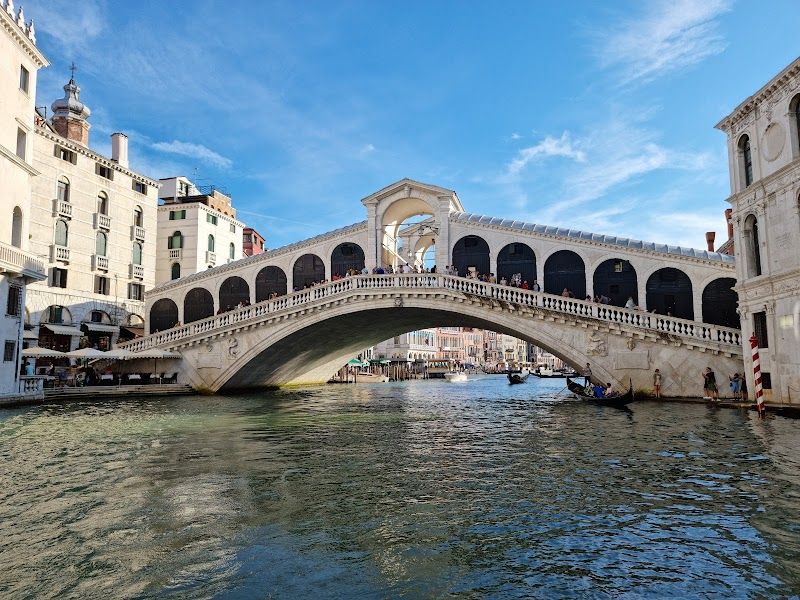
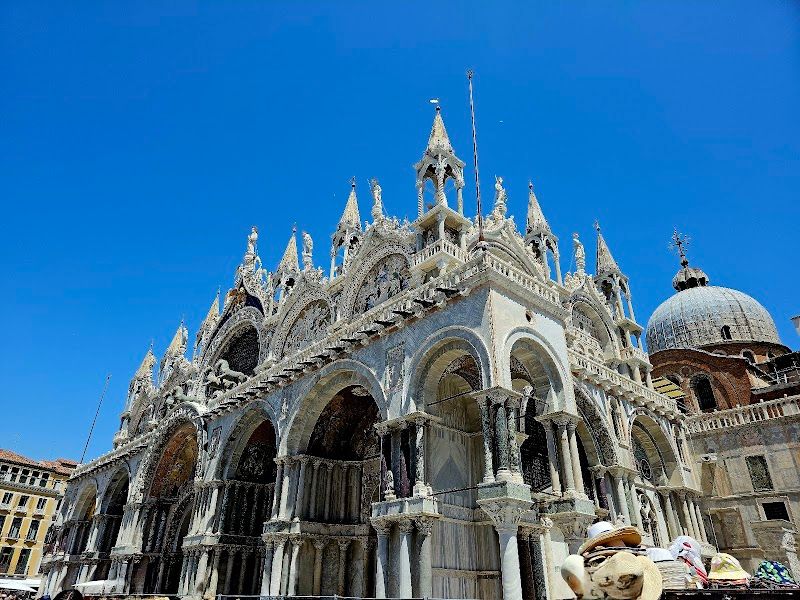
Inspectors conduct random checks throughout the historic center, especially near major attractions like St. Mark's Square and the Rialto Bridge. If you can't show a valid QR code, you face an immediate EUR 10 fine plus the EUR 5 fee.
Who Gets Venice Tourist Fee Exemptions
Multiple categories of visitors qualify for Venice tourist fee exemptions, and the city's verification system is surprisingly thorough. The most useful exemptions for regular travelers involve accommodation bookings and regional residency.
Automatic exemptions include:
- Overnight guests with confirmed hotel, B&B, or rental bookings
- Veneto region residents (must show ID)
- Italian residents visiting family (requires documentation)
- Workers commuting to Venice (with employment verification)
- Students enrolled in Venice universities
- Children under 14 years old
Accommodation Exemption Details
The accommodation exemption is your best route to avoiding the fee. Any confirmed booking for the night of your visit eliminates the charge, regardless of accommodation type. This includes hotels, B&Bs, vacation rentals, and even camping on the mainland.
Your accommodation provider must register your stay in the city system. Most hotels handle this automatically, but verify with smaller properties. You'll need your booking confirmation and passport when entering Venice.
Budget accommodation options for exemption:
- Hostel dorm beds start at EUR 25-45 per night
- Budget hotels in Cannaregio from EUR 80-150
- Mainland accommodations (Mestre, Marghera) from EUR 60-100
Many visitors book refundable mainland hotels just for the exemption, then cancel if they find better options.
Smart Strategies to Avoid the Venice Fee to Enter
Several legitimate approaches can help you avoid the Venice tourist fee entirely. The most reliable method involves timing your visit outside fee periods, but accommodation-based exemptions offer more flexibility.
Timing-Based Avoidance
Visit on non-fee days: Venice charges fees on approximately 54 days annually, leaving 311 days fee-free. Weekdays from November through March are almost always exempt, offering the best weather-to-cost ratio.
Shoulder season advantages: Late October through early November provides excellent weather with minimal crowds and no fees. March and early April offer similar benefits with occasional fee-free weekends.
Accommodation-Based Strategies
Mainland overnight strategy: Book accommodations in Mestre or Marghera, connected to Venice by frequent trains and buses. You'll pay EUR 80-120 for mainland hotels versus EUR 180-350 for Venice properties, plus gain fee exemption.
Single night booking: Reserve one night in Venice to cover multiple days of exploration. Your exemption applies to your check-in date and potentially the following day, depending on how accommodation providers register guests.
Strategic booking locations: Budget accommodations in Castello or northern Cannaregio cost significantly less than San Marco properties while providing the same exemption benefits.
Understanding the Venice Tourist Fee Fine System
The EUR 10 Venice tourist fee fine applies immediately when inspectors find you without proper documentation. This penalty doubles your total cost and creates an unpleasant interaction with local authorities.
Common inspection scenarios:
- Exiting Santa Lucia train station during fee hours
- Entering St. Mark's Square from major approaches
- Random checks near tourist attractions
- Boarding certain vaporetto lines from mainland stops
Fine Avoidance Tips
Even if you're exempt, carry proper documentation. The inspection process is brief but thorough, and inspectors have limited patience for tourists searching through phones for confirmation emails.
Required documentation by exemption type:
- Accommodation guests: booking confirmation plus passport
- Veneto residents: government-issued ID with regional address
- Family visitors: invitation letter plus relationship proof
- Workers: employment certificate or business registration
Screenshots of booking confirmations often suffice, but PDF copies provide better reliability if your phone battery dies or internet connection fails.
Impact on Venice Tourism and Local Economy
The Venice tourist fee has generated significant controversy since implementation. Local business owners report mixed results - some appreciate reduced overcrowding during peak hours, while others worry about deterring visitors.
Tourism statistics show:
- Day visitor numbers decreased by approximately 15% on fee days
- Overnight bookings increased by 8-12% in mainland accommodations
- Weekend tourist spending shifted to early morning and late afternoon
- Fee evasion rates hover around 20-25% despite enforcement
Local Business Perspectives
Restaurant owners in San Polo report better lunch service quality with fewer rushed day-trippers. However, souvenir shops near the Rialto Bridge see reduced afternoon sales.
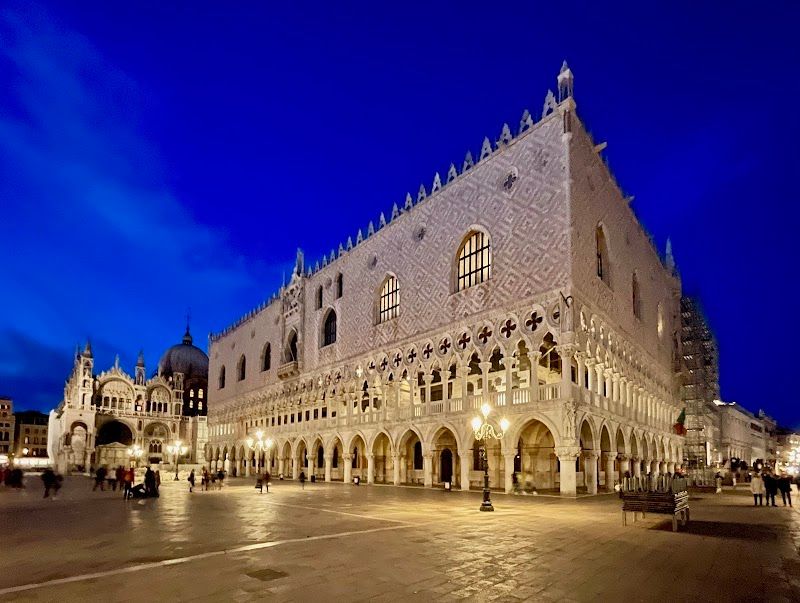
Museum attendance patterns have shifted significantly. The Doge's Palace sees more visitors before 8:30 AM and after 4:00 PM, when fee enforcement ends.
Alternative Venice Transportation to Avoid Fees
Creative travelers have discovered transportation routes that minimize fee exposure or provide exemption opportunities. These approaches require more planning but can save money for budget-conscious visitors.
Ferry and Water Taxi Options
Private water taxis from Marco Polo Airport (EUR 110-150) can drop you at hotels without passing through monitored entry points. This expensive option makes sense for groups of 4-6 travelers staying in Dorsoduro or Castello.
Alternative entry routes:
- Alilaguna waterbus to Zattere (EUR 15-25) often avoids main checkpoints
- Train connections through smaller stations (Venezia Porto Marghera)
- Car travel to Tronchetto with immediate hotel check-in
Regional Transportation Integration
Veneto residents receive automatic exemptions, leading some travelers to book accommodations in Padua or Vicenza. The regional train network provides direct connections to Venice, and resident hotels can sometimes facilitate guest registration processes.
Planning Your Venice Visit Around Tourist Fees
Successful fee avoidance requires advance planning and flexibility. The city's fee calendar typically favors weekday visitors and rewards those willing to explore during shoulder seasons.
Optimal Visiting Periods
November through February: Minimal fee days, lower accommodation costs, and authentic Venetian atmosphere. Weather can be cold and damp, but indoor attractions like museums provide excellent alternatives.
March and early April: Good weather with occasional fee-free weekends. Book accommodations early as this period gains popularity among budget travelers.
Late October: Excellent compromise between weather, crowds, and costs. Most weekends remain fee-free while temperatures stay comfortable for walking.
Accommodation Strategy Details
Budget approach: Book mainland hotels for EUR 80-150 per night, gaining exemptions while saving money. The 15-minute train ride to Venice becomes part of your daily routine.
Premium approach: Splurge on one night in Venice (EUR 250-500 for boutique properties) to cover 2-3 days of exploration. This often costs less than paying daily fees plus expensive day-trip transportation.
Mixed strategy: Combine mainland accommodation with one Venice night, maximizing both savings and authentic experiences. Many travelers find this approach provides the best balance.
Comparing Venice Fees to Other European Cities
Venice's EUR 5 daily charge sits in the middle range among European tourist fees. Understanding these comparisons helps put Venice's system in perspective and aids in multi-city trip planning.
| City | Fee Amount | Application |
|---|---|---|
| Venice | EUR 5 | Day visitors, 54 days/year |
| Barcelona | EUR 3-7 | Per night tourism tax |
| Amsterdam | EUR 3-12.5 | Per night city tax |
| Paris | EUR 1-15 | Per night tourism tax |
| Rome | EUR 3-7 | Per night city tax |
Key differences:
- Venice charges day visitors; others tax overnight stays
- Venice operates seasonally; others charge year-round
- Venice offers more exemption categories
- Venice enforcement is more aggressive
Regional Integration Considerations
Travelers visiting multiple Italian cities often find accommodation-based strategies work across regions. A hotel night in Florence provides Venice fee exemption if you're Tuscany resident, though proving residency requires documentation most tourists lack.
Multi-city planning tips:
- Book Venice accommodation strategically within longer Italian itineraries
- Consider regional rail passes that include accommodation discounts
- Time Venice visits for non-fee periods between other destinations
Future Changes to Venice Tourist Fee System
The Venice city council regularly reviews and adjusts the tourist fee system. Proposed changes for 2025-2026 include variable pricing, extended enforcement hours, and additional exemption categories.
Proposed modifications:
- Dynamic pricing (EUR 3-10) based on demand forecasts
- Extended hours (7:00 AM to 6:00 PM) during peak summer
- Group booking discounts for educational visits
- Integration with regional transportation passes
Long-term Tourism Strategy
Venice officials view the tourist fee as one component of broader tourism management. Future initiatives may include reservation systems for major attractions, pedestrian flow monitoring, and seasonal capacity limits.
The city aims to reduce daily visitor numbers from current peaks of 120,000+ to a more manageable 80,000. Whether fees achieve this goal without damaging the local economy remains hotly debated.
Stay informed through:
- Official city website (comune.venezia.it)
- Tourism office updates (veneziaunica.it)
- Local news sources (Gazzettino, Nuova Venezia)
- Hotel and accommodation provider communications
Understanding Venice's tourist fee system helps you make informed decisions about when and how to visit this remarkable city. Whether you choose to pay the fee, claim an exemption, or time your visit strategically, advance planning ensures you'll experience Venice's unique attractions without unwelcome surprises.
The fee represents Venice's attempt to balance tourism revenue with livability for residents. While controversial, it's likely permanent, making fee awareness essential for all future Venice visitors. Plan accordingly, and you'll discover that this ancient city's beauty remains worth any administrative inconvenience.