The mallorca food scene has nothing to do with the British pub grub and frozen paella served at resort hotels. Real Mallorcan cuisine is Mediterranean cooking shaped by centuries of Arab, Spanish, and Italian influence, using ingredients that grow on the island: almonds, olive oil, capers, salt, and seafood from surrounding waters.
This is peasant food elevated to art. Dishes like tumbet and sobrassada have been made the same way for generations, using techniques passed down through families who never wrote anything down. The best traditional restaurants still serve food exactly as your grandmother would have made it, if your grandmother happened to be from a 15th-century Mallorcan village.
The Foundation of Mallorcan Traditional Food
Mallorcan dishes rely on five core ingredients that appear in nearly everything: olive oil (specifically from the Serra de Tramuntana), sea salt from Ses Salines, almonds from the interior plains, pork (often cured), and tomatoes. The island's isolated position meant cooks had to be creative with what grew locally, leading to combinations you will not find anywhere else in Spain.
The Arab occupation from 902 to 1229 left the deepest mark on local cuisine. Almonds, saffron, rice, and the technique of slow-cooking vegetables all came from North African traditions. Spanish rule added pork and wine, while Italian traders brought pasta techniques that evolved into unique Balearic preparations.
Most mallorcan dishes are designed to use every part of an ingredient. Pork becomes sobrassada, blood sausage, and lard for cooking. Stale bread turns into pa amb oli or gets ground into breadcrumbs for coating. Nothing gets wasted, and every meal tells the story of an island that learned to make abundance from scarcity.
Essential Mallorca Local Cuisine You Cannot Skip
Sobrassada: The Island's Signature Spread
Sobrassada is Mallorca's most famous export, and most visitors try a poor imitation of it. Real sobrassada is raw pork sausage mixed with sweet paprika, salt, and sometimes hot pepper, then cured for months until it becomes spreadable. The best versions come from black Mallorcan pigs that feed on acorns and are only slaughtered in winter.
You eat sobrassada spread on toasted bread, often with honey drizzled on top. The combination of salty, smoky meat with sweet honey is what makes it work. Tourist versions are often too salty or use inferior pork - proper sobrassada should be smooth, deep red, and slightly sweet from the paprika.
Where to try it: Mercat de l'Olivar in Palma has vendors selling artisanal sobrassada from EUR 8-15 per piece. Ask for a taste before buying.
Tumbet: Mallorca's Answer to Ratatouille
Tumbet is layered vegetables baked in olive oil until they meld together into something greater than their parts. Traditional versions use only eggplant, zucchini, bell peppers, potatoes, and tomatoes, seasoned with garlic and herbs. Each vegetable is cooked separately before being layered and baked together.
The key is the tomato sauce, which must be made from fresh tomatoes, olive oil, and garlic cooked down until thick. Many restaurants serve watery versions that miss the point entirely. Good tumbet should hold its shape when cut but be tender enough to eat with a fork.
What it costs: Tumbet as a main course runs EUR 12-18 at traditional restaurants, EUR 8-10 as a side dish.
Arròs Brut: Rice That Actually Tastes Like Something
Arròs brut translates to "dirty rice," and it looks exactly like that - brown rice cooked in a dark broth with whatever meat and vegetables are available. This is not the tourist-friendly paella served at beachside restaurants. This is working-class food that uses rabbit, chicken, pork ribs, green beans, artichokes, and saffron.
The rice absorbs all the flavors from the meat and vegetables, creating something that tastes like concentrated Mallorca. Traditional versions include snails and sometimes blood sausage, which many restaurants skip for squeamish tourists. If you see it on a menu, order it - most places only make it once or twice a week.
Pa amb Oli: More Complex Than It Sounds
Pa amb oli is toasted bread rubbed with tomato and drizzled with olive oil, then topped with whatever is available. The bread must be crusty on the outside and tender inside - usually coca bread or similar. The tomato gets rubbed into the bread until it absorbs the juice, then everything is dressed with Mallorcan olive oil and sea salt.
Toppings range from simple (cheese, olives, capers) to elaborate (sobrassada, Manchego, anchovies, peppers). Each combination has a name and specific proportions. This is not Spanish toast - it is a complete meal that requires good ingredients and proper technique.
Price range: EUR 6-12 depending on toppings. Celler Sa Premsa in Palma serves excellent traditional versions.
Sweets and Pastries Worth the Calories
Ensaimada: The Pastry That Defines Breakfast
Ensaimada is a spiral pastry made from flour, water, sugar, eggs, and lard (despite what vegetarian restaurants claim, traditional versions always use pork lard). The dough is rolled paper-thin, covered with lard, then coiled into a spiral and left to rise overnight. Proper ensaimadas are light, flaky, and slightly sweet.
Plain ensaimada gets dusted with powdered sugar. Filled versions (ensaimada de cabello de ángel) contain pumpkin jam, though tourist bakeries stuff them with everything from chocolate to cheese. The real test: good ensaimada should pull apart in delicate layers, not tear like regular bread.
Where to get the best: Ca'n Joan de s'Aigo in Palma has been making ensaimadas since 1700. Expect to pay EUR 1.5-4 depending on size.
Gató de Almendra: Almond Cake Done Right
Gató de almendra is almond cake made with ground Mallorcan almonds, sugar, eggs, and absolutely no flour. This creates a dense, moist cake that tastes intensely of almonds. Traditional versions are topped with powdered sugar and sometimes served with almond ice cream.
Many restaurants serve dry, flour-heavy versions that miss the point. Real gató should be almost fudgy in texture, with the natural oils from the almonds keeping it moist. It pairs perfectly with local dessert wines or simply coffee after a heavy meal.
Coca de Patata: Valldemossa's Secret Weapon
Coca de patata is a sweet bread made with mashed potatoes, which sounds terrible but works brilliantly. The potatoes create a tender, slightly sweet dough that stays fresh longer than regular bread. Valldemossa has been making this since the 1600s, when potatoes were still exotic in Spain.
You can only get authentic coca de patata in Valldemossa itself - other towns make imitations but use different recipes. The texture is unique: dense but not heavy, sweet but not cloying. Many visitors try it while visiting the Valldemossa Monastery where Chopin lived.
Seafood Dishes That Showcase Island Waters
Caldereta de Langosta: Lobster Stew for Special Occasions
Caldereta de langosta is Mallorca's most expensive dish, and when done properly, worth every euro. Fresh spiny lobsters are cooked in a rich tomato and wine broth with onions, garlic, and herbs. The sauce is thickened with bread and sometimes enriched with the lobster's liver.
This dish requires advance ordering at most restaurants because sourcing good lobsters takes time. Expect to pay EUR 45-70 per person, and do not order it unless the restaurant specializes in seafood. Mediocre versions use frozen lobster and thin sauce that tastes like expensive tomato soup.
Bullit de Peix: Simple Fish Stew
Bullit de peix is the working-class version of seafood stew, made with whatever fish the boats brought in that day. White fish, potatoes, onions, and tomatoes get simmered together until the fish falls apart and thickens the broth. The dish is served with garlic mayonnaise and rice.
This is not pretty food, but it tastes like the Mediterranean. Good versions use at least three different types of fish to create complex flavors. Many coastal restaurants serve this as their daily special for EUR 18-25, depending on the fish market prices.
Llampuga a la Mallorquina: Dolphinfish Done Island Style
Llampuga (dolphinfish, not dolphin) is a local fish that appears in markets from September to January. Traditional preparation involves coating fillets in flour and frying them, then serving with a sauce of tomatoes, onions, raisins, and pine nuts. The combination of sweet and savory flavors is distinctly Mallorcan.
The raisins and pine nuts come from the Arab influence on island cooking. Many modern restaurants skip these ingredients to simplify the dish, but they are essential for the authentic flavor balance. Look for this dish at traditional restaurants during autumn months.
Meat Dishes That Tell Mallorca's Story
Lechona: Roast Suckling Pig
Lechona is whole roast suckling pig, usually served at festivals and special occasions. The pig is stuffed with herbs, sewn shut, and roasted over wood fire until the skin is crackling and the meat falls off the bone. This is not everyday food - it is celebration food that brings communities together.
Few restaurants serve lechona because it requires advance planning and special equipment. Your best chance is during local festivals or at traditional restaurants that specialize in roasted meats. When you find it, expect to pay EUR 25-35 per person for a proper portion.
Fricandó: Veal in Mushroom Sauce
Fricandó is veal cooked slowly in white wine with mushrooms, typically using milk cap mushrooms that grow wild on the island. The meat becomes tender enough to cut with a fork, while the mushrooms create an earthy sauce that coats everything perfectly.
This dish requires good veal and fresh mushrooms to work properly. Tourist restaurants often substitute beef and button mushrooms, creating something that tastes completely different. The authentic version appears on menus at traditional restaurants for EUR 22-28.
Where to Find Authentic Mallorca Food
The best mallorcan restaurants are not in tourist areas. Head to neighborhood places where locals eat lunch, markets where families shop for ingredients, and villages where restaurants serve what their grandmothers cooked.
Traditional Markets for Ingredients
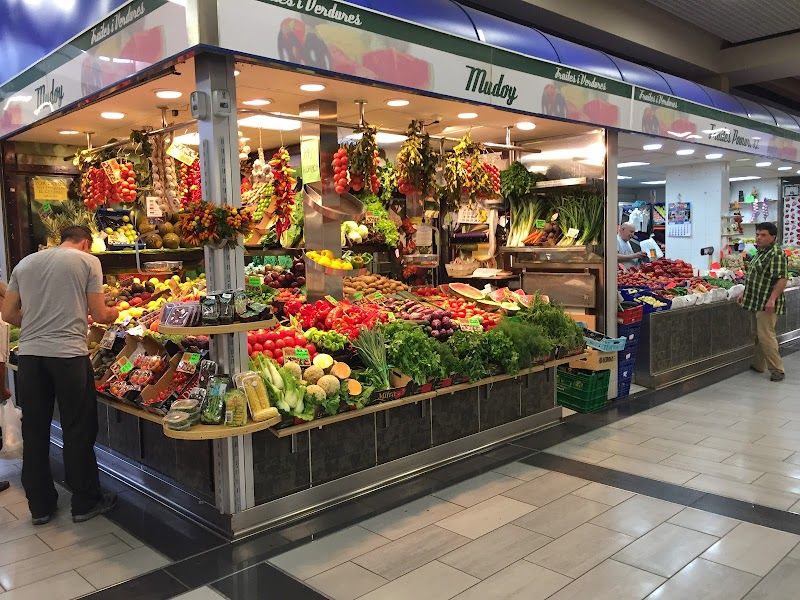
Markets are where you see real Mallorcan food culture in action. Mercat de l'Olivar in Palma opens daily except Sunday and has vendors selling everything from fresh sobrassada to local cheeses. The Mercat de Pollença runs Tuesdays and Sundays with local produce and traditional foods.
Market prices: Fresh sobrassada EUR 8-15 per piece, local cheese EUR 12-20 per kilo, seasonal vegetables EUR 2-4 per kilo.
Restaurant Types to Seek Out
Cellers are traditional wine cellars that serve simple, authentic food. These are not trendy restaurants - they are working-class places with checkered tablecloths and no English menus. The food is exactly what local families eat at home, prepared the same way for generations.
Forn restaurants originally sold bread but evolved to serve complete meals. These places often have the best traditional pastries and understand local ingredients better than newer establishments.
Avoiding Tourist Food Traps
Any restaurant serving "international cuisine" or multiple flags outside will not have good mallorcan food. Restaurants with English menus posted outside usually serve simplified versions of traditional dishes. The best places have handwritten Spanish menus that change based on what ingredients are available.
If you see paella on every table, leave. Real Mallorcan restaurants serve paella occasionally, not as their signature dish. If the sobrassada comes pre-sliced on a plate instead of being served whole for you to spread, you are in a tourist restaurant.
Planning Your Mallorca Food Experience
The best food experiences happen when you plan your itinerary around meals rather than fitting food into sightseeing. Market visits work best in the morning when selection is largest. Traditional restaurants serve their best dishes at lunch when local workers expect proper food.
Many authentic dishes require advance ordering because ingredients must be sourced fresh. Call restaurants the day before to ask about specialties and availability. This is especially important for seafood dishes and whole roasted meats that need preparation time.
Seasonal timing affects what you can eat. Sobrassada is best in winter months when it is freshly made. Spring brings vegetables for tumbet and fresh herbs. Summer has the best tomatoes for pa amb oli. Fall is mushroom season for fricandó and the only time to find llampuga.
For a complete food-focused trip, consider our 7 Days: The Complete Mallorca Experience itinerary, which includes specific restaurant recommendations and market visits throughout the island. The Where to Eat in Mallorca: A Region-by-Region Guide provides detailed coverage of the best restaurants in each area.
The Real Cost of Eating Well in Mallorca
Authentic mallorcan food costs less than tourist food if you know where to look. A complete traditional meal at a local restaurant runs EUR 25-40 per person including wine. Market ingredients for cooking at home cost EUR 15-25 per day for two people.
| Meal Type | Tourist Restaurant | Local Restaurant | Market/Self-Catering |
|---|---|---|---|
| Breakfast | EUR 12-18 | EUR 6-10 | EUR 4-6 |
| Lunch | EUR 25-40 | EUR 12-18 | EUR 8-12 |
| Dinner | EUR 35-60 | EUR 25-40 | EUR 15-20 |
| Daily Total | EUR 72-118 | EUR 43-68 | EUR 27-38 |
The key is eating where locals eat. Tourist restaurants charge premium prices for inferior versions of traditional dishes. Local places serve authentic food at prices that reflect actual ingredient costs, not tourist markups.
Wine adds significantly to meal costs at restaurants. House wine runs EUR 3-6 per glass at local places, EUR 8-12 at tourist restaurants. Buying wine at markets costs EUR 4-8 per bottle for decent local varieties.
Beyond the Obvious: Advanced Mallorca Food Culture
Real food culture happens at weekly markets where vendors have been selling the same products for decades. The Mercat de Sineu on Wednesdays is where farmers bring produce that never reaches Palma. This is where you find vegetables that do not exist outside Mallorca and traditional preserves made in home kitchens.
Food festivals throughout the year celebrate specific ingredients and dishes. The sobrassada festival in October showcases dozens of producers. Almond blossom festivals in February feature almond-based desserts. These events offer tastes you cannot get in restaurants.
Home cooking classes with local families provide insight into techniques that restaurants simplify. Many traditional dishes require specific timing and ingredient combinations that only make sense when you understand the original context. These experiences cost EUR 40-80 per person but teach skills you cannot learn from cookbooks.
Mallorca food is not about individual dishes but about understanding how ingredients, seasons, and traditions create a complete cuisine. The island's isolation forced creativity that produced combinations found nowhere else in the Mediterranean. Eating authentically means respecting these traditions while enjoying food that connects you to centuries of island culture.