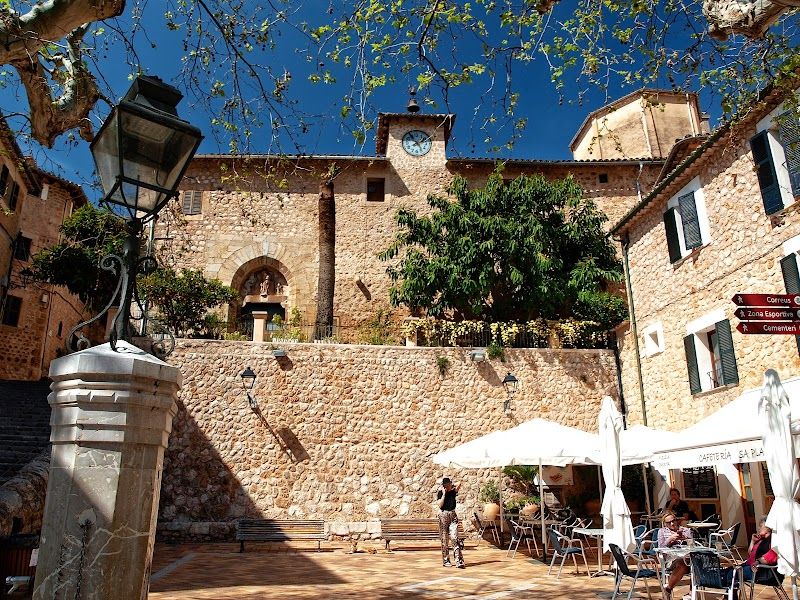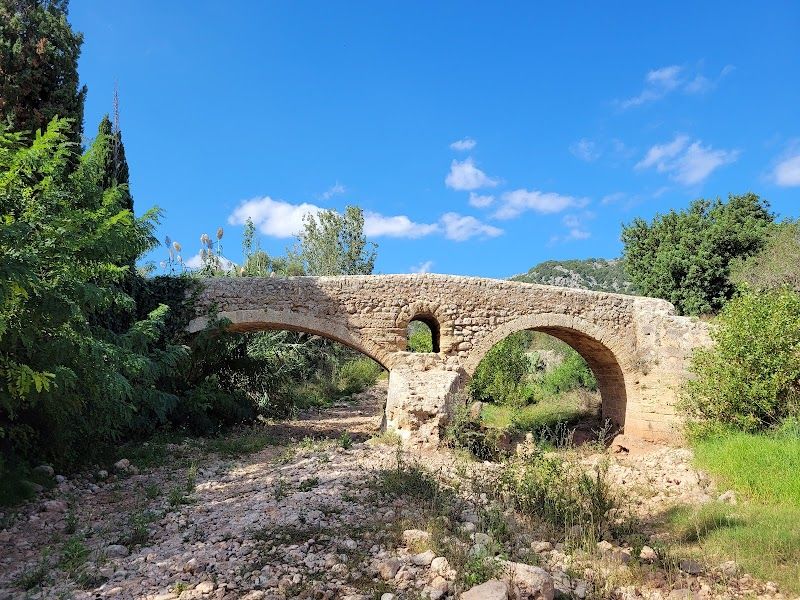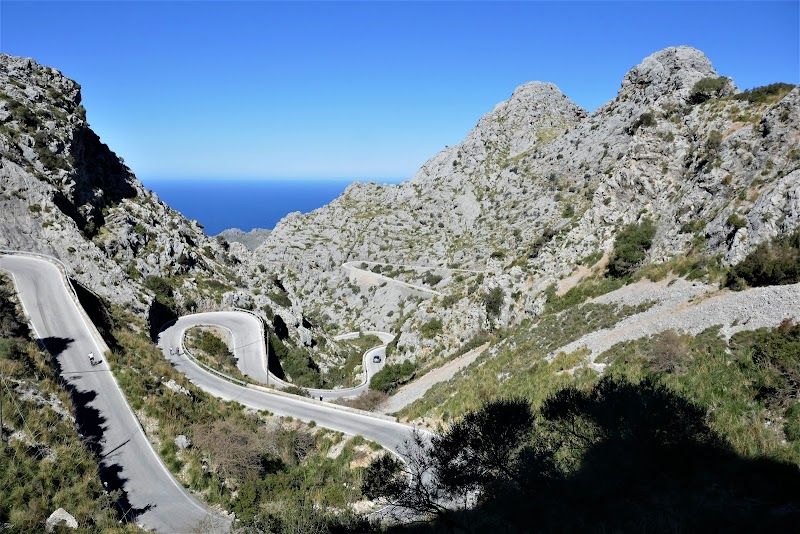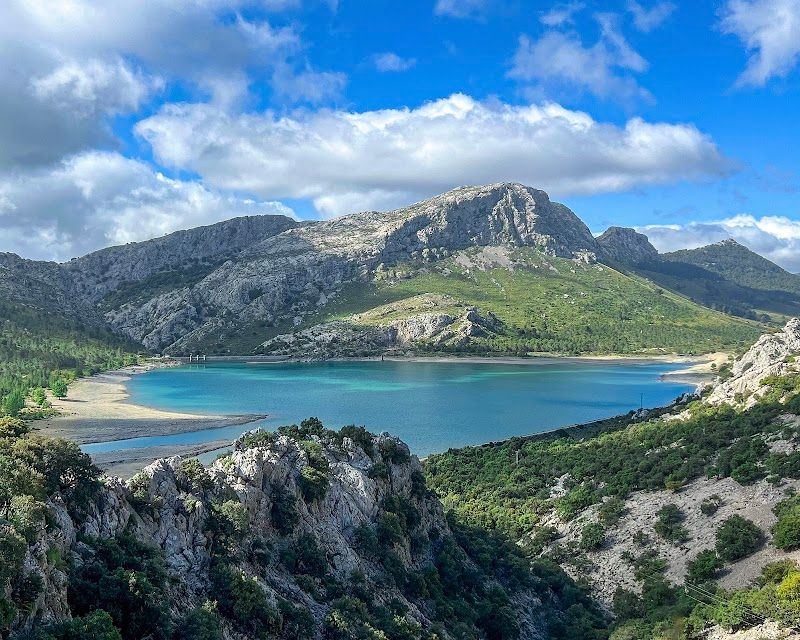
Most visitors to Mallorca follow the same tired script: fly into Palma, head straight to Magaluf or Playa de Palma, then complain that the island lacks authenticity. They are visiting the wrong Mallorca. The real island exists in the Serra de Tramuntana mountains, the stone villages where Chopin composed some of his most famous works, and the coastal roads that rival anything in the Mediterranean. These Mallorca travel tips will help you skip the package-holiday experience and discover the island that locals actually live on.
Transportation: How to Actually Get Around Mallorca
Skip the Tourist Bus and Use Local Transport
The EMT bus system in Palma works better than most tourists realize. An EMT 10-trip card costs EUR 15 and gives you unlimited rides across the city for weeks. Single tickets cost EUR 2, but you will burn through that budget quickly. The buses run frequently and connect all the neighborhoods worth visiting.
For intercity travel, the TIB bus network covers the entire island. Tickets range from EUR 2.5-8 depending on distance, and the buses are clean, punctual, and used by locals. The route from Palma to Valldemossa takes 45 minutes and costs EUR 4, while the tourist coaches charge EUR 25 for the same journey with unnecessary stops.
The Historic Train to Soller is Worth the Price
The wooden train from Palma to Soller costs EUR 32 round trip, which sounds expensive until you realize it is one of the most scenic train rides in Europe. The century-old carriages climb through the Tramuntana mountains with stops at viewpoints that would cost EUR 10 each as tourist attractions. Book the 10:50 AM departure to avoid the cruise ship groups who take the earlier trains.
Airport Transfer Reality Check
The Airport Bus Line 1 to Palma costs EUR 5 and runs every 15 minutes during the day. Taxis charge EUR 25-35 for the same route, with higher rates at night and weekends. Unless you are traveling with heavy luggage or in a group of four, the bus makes more sense.
Rent a car if you plan to explore beyond Palma, but not for the first few days. The city center has limited parking, and you will spend more time looking for spaces than enjoying the sights. We recommend staying car-free in Palma and renting when you head to the mountains or eastern beaches.
Where to Stay: Beyond the Resort Strips
Palma is Underrated as a Base
Most visitors treat Palma as a transit hub, but the city offers more authentic experiences than any resort town. The Santa Catalina neighborhood has the island's best restaurant scene, while the old town contains buildings that predate Columbus by centuries. Budget hotels in Palma start at EUR 45-75 per night, compared to EUR 100+ for beachfront resorts with less character.
Stay near Plaça Major or the cathedral if you want walking access to everything. The Born district has boutique hotels in converted palaces, but expect to pay EUR 120-250 per night for the privilege.
The Mountain Villages Are Not Just Day Trips
Valldemossa and Deia both have hotels, and staying overnight means you experience these villages after the tour buses leave. Valldemossa empties by 6 PM, revealing the quiet stone streets that attracted Chopin and George Sand in 1838. Deia becomes even more special at sunset, when the village glows against the Mediterranean backdrop.
Book months ahead for summer stays in these villages. There are only a handful of hotels, and demand far exceeds supply during peak season.
Eating Like a Local: Mallorca Travel Advice for Food
Markets Are Where Real Food Culture Lives
Mercat de l'Olivar in Palma has been feeding locals since 1951, and the vendors still treat tourists and residents equally. The market visit is free, and you can assemble an excellent lunch for under EUR 10. Buy jamón ibérico from the charcuterie stalls, fresh bread from the bakery section, and local cheese from the dairy vendors.
The Mercat de Sineu happens every Wednesday and has remained essentially unchanged for 700 years. Local farmers sell produce, cheese, and crafts in the same square where their ancestors traded. It is worth timing your visit to coincide with market day.
Pa amb Oli is the Island's Real Signature Dish
Tourists obsess over paella, but locals eat pa amb oli daily. This "bread with oil" seems simple but reveals the island's agricultural heritage. Good versions cost EUR 6-12 and include local tomatoes, olive oil, salt, and whatever toppings reflect the season. Try it at Celler Sa Premsa in Palma, where the recipe has not changed since 1958.
The Menú del Día is Your Best Value
Most restaurants offer a menú del día at lunch: three courses with wine or water for EUR 12-18. This Spanish institution provides excellent value and introduces you to dishes you might not order individually. The quality often surpasses dinner service because restaurants use the lunch menu to showcase their capabilities to local office workers.
Avoid restaurants with English menus near the cathedral or cruise terminal. Walk five minutes inland to find places where locals eat, and your food budget will stretch twice as far.
Money-Saving Mallorca Travel Tips
Free Museum Days Are Real
Es Baluard Museum offers free admission the first Sunday of each month, and other cultural sites have similar programs. Bellver Castle is free on Sundays for EU residents. Plan your museum visits around these schedules to save EUR 20-30 per person.
Many churches, including some with significant historical value, charge no admission fee. The Banys Arabs cost just EUR 2.5 and provide better insights into Mallorca's Islamic period than much more expensive attractions.
Beach Gear Strategy
Buy beach equipment at Carrefour or Eroski supermarkets, not hotel shops or beachfront vendors. A basic beach umbrella costs EUR 15 at the supermarket versus EUR 40 near the sand. Beach chairs, coolers, and snorkeling gear follow the same pricing pattern.
Drinking Water Reality
Tap water in Mallorca is safe and tastes fine, despite what some hotel staff might imply. Bottled water costs EUR 1-2.5, but filling reusable bottles from taps saves money and reduces plastic waste. Most restaurants will provide tap water if you request "agua del grifo."
Timing Your Visit: When to Go to Mallorca
Shoulder Seasons Offer Better Weather and Prices
May and October provide the best combination of weather, prices, and crowd levels. May temperatures reach 24°C without the intense heat of July and August. October maintains swimming weather (22°C air, 21°C water) while hotel prices drop by 40% from peak season.
Avoid July and August unless you thrive in 30°C heat and enjoy competing with crowds for restaurant tables. The island transforms during these months, with infrastructure straining under visitor numbers.
Winter Mallorca is Completely Different
November through March sees a different island emerge. Temperatures rarely drop below 10°C, making it ideal for hiking the GR 221 trail or exploring Palma's museums and restaurants. Many beach restaurants close, but the mountain villages remain open and offer a more authentic experience.
Hotel prices in winter can be 70% lower than summer rates, though some properties close entirely from December through February.
Getting to the Real Beaches: Mallorca Beach Travel Tips
Es Trenc is Worth the Journey
Es Trenc sits in the southeast and requires effort to reach, which keeps crowds manageable even in summer. The beach stretches for 3 kilometers with white sand and clear water that justifies the postcards. Parking costs EUR 6 for the day, but the beach itself has no entry fee.
Arrive before 10 AM or after 4 PM to avoid the worst crowds and heat. The eastern end of the beach stays quieter than the section near the main parking area.
Formentor Requires Strategic Timing
Platja de Formentor ranks among Europe's most beautiful beaches, but the access road creates bottlenecks during peak hours. Drive there before 9 AM or take the bus from Port de Pollença (runs every 30 minutes in summer). The bus costs EUR 3.5 each way and eliminates parking stress.
The beach has two distinct sections: the main area with facilities and restaurants, and the quieter eastern stretch reached by a 10-minute walk through pine trees.
Cala Mondragó Balances Beauty and Accessibility
This protected cove in the southeast offers crystal-clear water and natural surroundings without the journey required for more remote beaches. Parking costs EUR 4 and the short walk from the car to the sand takes 5 minutes. The beach has basic facilities but maintains its natural character.
Cultural Experiences: Beyond the Tourist Track
The Cathedral Deserves More Than a Quick Photo
Palma Cathedral entrance costs EUR 8, but most visitors spend 15 minutes inside one of Europe's most important Gothic buildings. The Gaudí renovations, completed in 1914, transformed the interior lighting and deserve careful examination. Visit at 10 AM when morning light illuminates the rose window, or return at 4 PM for different lighting effects.
The audio guide adds EUR 3 but provides context that transforms architecture viewing into historical understanding.
Valldemossa Monastery Has Chopin's Piano
Valldemossa Monastery charges admission, but you can see Chopin's cell and the piano he used during his 1838-39 winter with George Sand. The monastery also displays medieval manuscripts and paintings that reveal Mallorca's artistic heritage beyond the romantic composer story.
Visit on weekday mornings to avoid the cruise ship groups that arrive after lunch.
Local Festivals Happen Year-Round
Sant Antoni festival in January features bonfires and traditional dancing throughout the island. Sant Joan celebrations in June include beach parties and fireworks, while September harvest festivals showcase local wine and food traditions. These events provide cultural experiences that hotels cannot replicate.
Check municipal websites for festival calendars, as dates vary by town and celebrations often happen spontaneously.
Navigation and Practical Details
The Ma-10 Coastal Road Requires Planning
The Serra de Tramuntana Ma-10 drive from Andratx to Pollença covers 90 kilometers of mountain curves and coastal views. Budget 4-5 hours for the complete route with stops at viewpoints and villages. Start early or late in the day to avoid tour bus convoys that slow traffic between major attractions.
Fill your gas tank before starting - fuel stations are rare along the route, and running low on mountain roads creates unnecessary stress.
Hiking the GR 221 Trail System
The GR 221 Ruta de Pedra en Sec extends 140 kilometers through the Tramuntana mountains with refuges every 10-15 kilometers. You can hike individual sections as day trips or complete multi-day segments with overnight stops.
Book refuges in advance through the official website, as spaces fill quickly during optimal hiking months (April-May, September-October). Day hikers can access trailheads by bus from Palma, Soller, and Pollença.
Language Dynamics
Catalan is the primary language, Spanish is universally understood, and English works in tourist areas. Learning basic Spanish phrases improves interactions everywhere, while "bon día" (good day in Catalan) earns smiles from locals.
Restaurant menus often appear in Catalan first, Spanish second, and English third (if at all). Download a translation app for food terms, or ask servers for explanations - they appreciate the interest in local cuisine.
Safety and Health Considerations
Swimming and Water Safety
Mediterranean waters around Mallorca remain calm most days, but sudden weather changes can create dangerous conditions. Check local weather reports and beach flags before swimming. Red flags mean no swimming under any circumstances - this rule is enforced and violations result in fines.
Jellyfish appear seasonally, usually July through September. Most species cause mild stings, but seek medical attention for severe reactions.
Sun Protection Strategy
Mallorca sun intensity increases rapidly from April through October. UV levels reach dangerous levels by 11 AM even in spring and fall. Apply sunscreen 30 minutes before sun exposure and reapply every two hours.
Seek shade during 12 PM-4 PM hours, especially June through August when heat stroke becomes a real risk. Many visitors underestimate Mediterranean sun intensity and suffer burns that ruin vacation days.
Emergency Services and Healthcare
Dial 112 for all emergencies. Public hospitals provide excellent care, and private clinics serve tourist areas with English-speaking staff. Travel insurance is essential - medical treatment for non-EU residents can be expensive.
Pharmacies (marked with green crosses) sell medications and provide basic medical advice. Many pharmacists speak English and can recommend treatments for common travel ailments.
Final Planning Considerations
These Mallorca travel tips work best when combined with realistic expectations and flexible planning. The island rewards visitors who venture beyond resort boundaries and engage with local culture, but it also accommodates different travel styles and budgets.
Start with our First Time in Mallorca guide for comprehensive planning advice, then use our 5-day itinerary to structure your visit efficiently. The island offers enough variety for return visits, so focus on quality experiences rather than checking boxes.
Remember that Mallorca's reputation as a party destination reflects only a small portion of the island's character. The real Mallorca exists in mountain villages where time moves slowly, coastal roads that reveal new vistas around every curve, and local markets where traditions continue unchanged despite tourism's influence. These travel tips help you find that authentic island experience.