You're standing at one of Europe's great travel crossroads: Paris or Barcelona first? Both cities will grab you by the shoulders and refuse to let go, but they'll do it in completely different ways. Paris seduces with its museum-heavy culture and wine-soaked bistro lunches, while Barcelona throws you headfirst into Gaudí's fever dream architecture and midnight tapas crawls. The choice isn't just about which city you prefer - it's about what kind of traveler you are right now.
The food question
Paris operates on a strict culinary rhythm that locals have perfected over centuries. Lunch happens between 12pm and 2pm, dinner starts at 7:30pm, and you'll pay EUR 18-25 for a proper bistro meal in the 5th or 6th arrondissements. The morning ritual centers on bakeries - locals queue at Poilâne on Rue du Cherche-Midi at 8am for their signature sourdough, or grab a pain au chocolat at Du Pain et des Idées near République for EUR 2.50.
The bistro scene rewards patience and planning. Book ahead for Le Comptoir du Relais in Saint-Germain-des-Prés, where the EUR 32 evening menu changes daily based on what chef Yves Camdeborde finds at the market. For wine, head to Le Mary Celeste in the 3rd at 6pm when natural wines start at EUR 6 per glass and locals gather for plates of oysters at EUR 2.50 each.
Barcelona throws those rigid meal times out the window. Lunch extends from 2pm to 4pm, dinner doesn't start until 9:30pm, and tapas happen whenever hunger strikes. You'll spend EUR 12-18 for a proper meal, but the real magic happens at counter bars where locals eat standing up. Cal Pep near Santa Maria del Mar packs bodies three deep at 1pm, serving plates of gambas al ajillo for EUR 8 and jamón ibérico for EUR 12.
The tapas circuit in El Born & La Ribera rewards spontaneity over reservations. Pop into La Vinya del Senyor at 7pm for EUR 5 glasses of Priorat while sharing a table with architects debating Modernisme. Move on to Bar del Pla at 8:30pm for their EUR 9 duck confit with apple compote, then finish at Euskal Etxea for authentic pintxos at EUR 2.50 per piece.
Barcelona wins on value and variety - your EUR 25 will stretch across three bars and five small plates. Paris rewards you with technique and tradition, but you'll pay EUR 15 more for the privilege.
Culture and museums
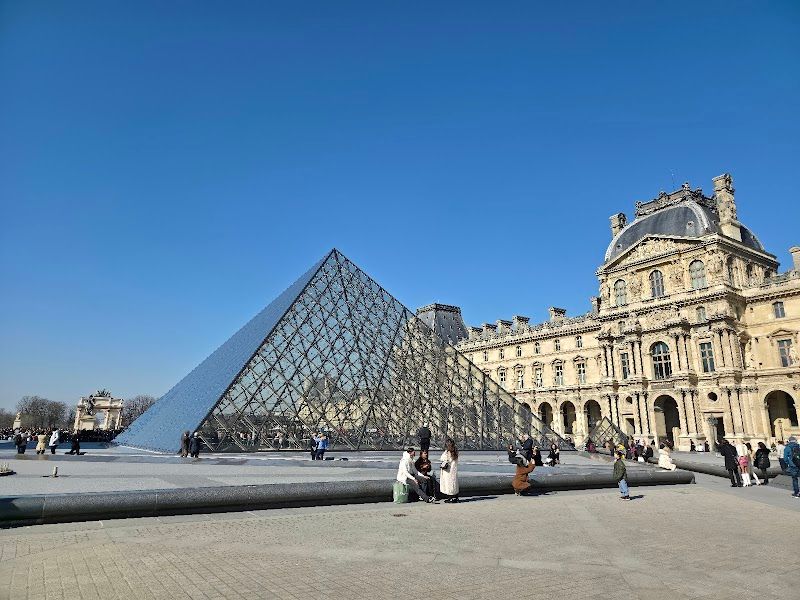
Paris built its cultural reputation on depth - fewer institutions holding more of the world's greatest art. The Musée du Louvre alone contains 35,000 pieces spanning 5,000 years, requiring at least 4 hours to hit the greatest hits. Book a 9am time slot (EUR 22 for EEA residents, EUR 32 non-EEA) to see the Mona Lisa without shoulder-to-shoulder crowds. The Musée d'Orsay houses the world's finest Impressionist collection in a converted Belle Époque train station - locals recommend Thursday evenings when it stays open until 9:45pm.
The museum density in the 1st arrondissement lets you walk from the Louvre to the Orangerie in 8 minutes, then to the Tuileries Gardens in another 5. This concentration means museum fatigue hits hard by day 3.
Barcelona spreads its cultural wealth across neighborhoods and centuries. The Picasso Museum in El Born focuses specifically on his early years and Blue Period - more intimate than comprehensive. MACBA in El Raval showcases contemporary art in a Richard Meier building that locals love to skateboard around. Fundació Joan Miró on Montjuïc hill combines art viewing with city panoramas.
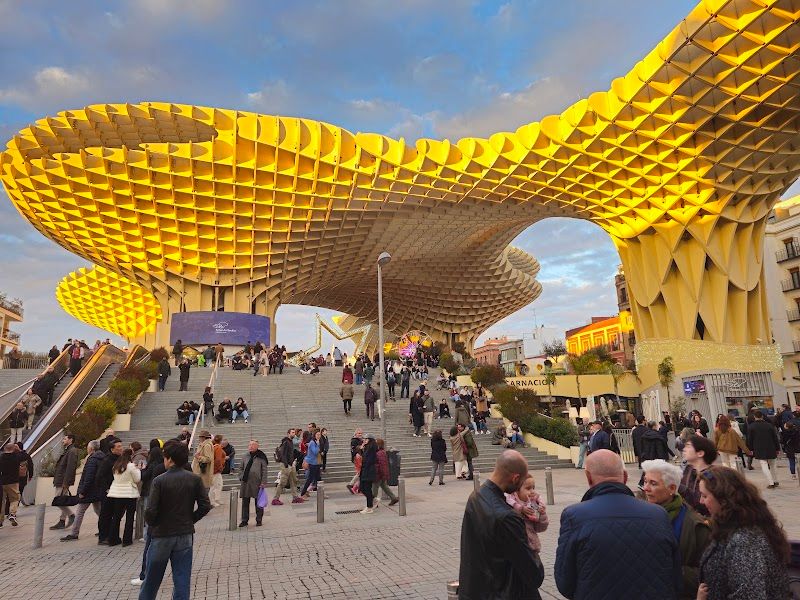
But Barcelona's real cultural draw isn't museums - it's architecture you encounter walking down any street. Sagrada Família towers over the Eixample district, while Casa Batlló and La Pedrera turn Passeig de Gràcia into an open-air Gaudí gallery. This integration means culture happens accidentally as you navigate daily life.
Paris gives you the greatest hits of Western art concentrated in world-class institutions. Barcelona embeds art into the urban fabric where you discover it organically while getting lost.
Neighborhoods and walkability
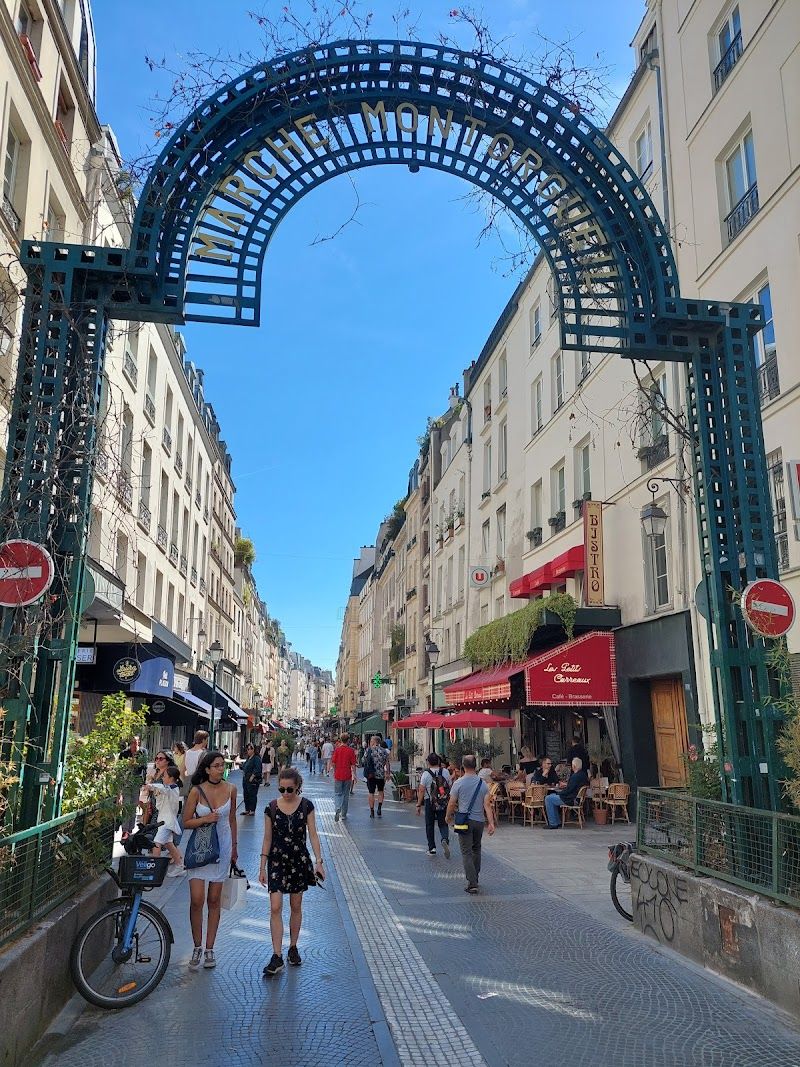
Paris divides into 20 arrondissements spiraling outward from the center, but most visitors stick to the central 10. Each maintains distinct personality - Le Marais mixes Jewish bakeries with trendy boutiques, while Montmartre clings to its artistic village atmosphere despite tourist crowds. The Seine creates natural barriers that force you onto specific bridges, channeling foot traffic along predictable routes.
Walking from Notre-Dame to Sacré-Cœur takes 45 minutes through 4 different neighborhoods, each requiring mental map recalibration. The irregular medieval street pattern in the Latin Quarter means GPS becomes essential after dark. Metro stations every 500 meters tempt you underground instead of exploring on foot.
Barcelona's compact old city rewards wandering without destination. The Gothic Quarter connects to El Raval via Las Ramblas in a 10-minute walk. North of the old city, the Eixample district follows Cerdà's 1859 grid plan - perfectly logical blocks with chamfered corners that prevent getting truly lost.
The Mediterranean provides constant orientation. Walk toward the sea and you'll hit Barceloneta beach. Walk away from it and you'll reach the Collserola hills. This geographic simplicity encourages longer walks - locals routinely stroll from Gràcia to the waterfront, a distance that would require multiple metro changes in Paris.
Barcelona's flat terrain and logical layout make it the superior walking city. Paris rewards those who master its complexity but punishes casual wanderers with dead ends and unexpected detours.
The budget comparison
Paris will cost you 25-30% more than Barcelona across most categories, but the gap varies dramatically by spending type. Accommodation hits hardest - expect EUR 130-200 nightly for a decent hotel in central Paris versus EUR 80-100 in Barcelona's Gothic Quarter. Airbnb narrows this gap slightly, with EUR 90-110 Paris apartments competing against EUR 65-85 Barcelona options.
Transportation favors Barcelona significantly. A 10-trip metro pass (T-casual) in Barcelona costs EUR 11.35 versus EUR 2.55 per single ride in Paris (no carnet option since 2025), but Barcelona's walkability reduces actual usage. Most Barcelona neighborhoods connect on foot within 20 minutes, while Paris distances require metro assistance.
Restaurant meals show the widest price spread. A neighborhood bistro lunch in Canal Saint-Martin runs EUR 18-24, while equivalent Barcelona meals in Gràcia cost EUR 12-16. Wine specifically drives Paris costs higher - restaurant glasses start at EUR 8-10 versus EUR 4-6 in Barcelona. Coffee culture reverses this trend slightly, with Barcelona's specialty shops charging EUR 3-4 for cortados while Paris bistro espresso holds steady at EUR 2-3.
Attractions pricing stays surprisingly similar. The Louvre's EUR 22 admission (EEA rate; EUR 32 non-EEA) exceeds Sagrada Família's EUR 26 entry fee (including audioguide). Paris museum passes provide better value for culture-heavy itineraries, while Barcelona's free attractions - Parc de la Ciutadella, beaches, and architectural walking tours - cost nothing.
Budget travelers should plan EUR 90-110 daily in Paris versus EUR 65-80 in Barcelona for comfortable mid-range experiences including accommodation, meals, and attractions.
Weather and when to go
Paris weather requires constant contingency planning. The city averages 165 rainy days annually, distributed unpredictably across all seasons. April through June offers the most reliable sunshine, with temperatures reaching 18-22°C and daylight extending until 9pm by June. September and October provide similar conditions with fewer crowds, but November arrives with grey skies that persist until March.
Winter in Paris means 4:30pm sunsets and temperatures hovering around 5-8°C. Museums become refuges from sideways rain, and cafe terraces empty by October. However, Christmas markets from late November through December compensate with mulled wine and roasted chestnuts along the Champs-Élysées.
Barcelona delivers Mediterranean reliability that removes weather from your planning equation. May through October guarantees sunshine 70% of days, with summer temperatures reaching 26-29°C. The beach season runs from May to October, with water temperatures peaking at 24°C in August and September.
Even Barcelona's winter stays mild by European standards. December and January see temperatures around 13-15°C with occasional rain, but outdoor terraces remain viable year-round. The city's worst weather - brief November storms and February winds - barely compares to Paris's persistent winter gloom.
Choose Barcelona if weather certainty matters for your travel style. Paris requires flexibility but rewards visitors who adapt to seasonal rhythms.
Nightlife and energy
Paris nightlife operates through distinct phases that locals navigate with practiced precision. The evening begins at wine bars and caves à vin around 6:30pm - try Le Baron Rouge near Bastille where natural wines cost EUR 4-7 per glass and locals gather around wooden barrels. Dinner follows from 8pm to 10pm, then the night splits between cocktail bars and late-night bistros that serve until 1am.
The cocktail scene concentrates in the 2nd and 3rd arrondissements. Candelaria hides a mezcal bar behind a taco shop facade, serving EUR 12-14 drinks until 2am Tuesday through Saturday. Little Red Door in Le Marais crafts conceptual cocktails for EUR 13-16 in a speakeasy atmosphere that peaks around midnight.
Barcelona extends its late-afternoon energy seamlessly into night. Vermut (vermouth) hour runs from 6pm to 8pm at neighborhood bars serving EUR 3-4 glasses with free olives and chips. La Plata near the cathedral packs locals three-deep at 7pm for anchovies and small glasses of house wine at EUR 2 each.
The real Barcelona magic happens after midnight when tapas bars reopen for the late-night crowd. Head to Barceloneta where Jai-Ca serves fresh seafood until 2am, or climb to rooftop bars like Eclipse at W Hotel for EUR 15 cocktails with harbor views until 3am. The beach proximity means outdoor nightlife extends year-round.
Barcelona rewards night owls who eat dinner at 10pm and consider midnight the beginning of the evening. Paris offers more sophisticated cocktail culture but shuts down earlier, with most venues closing by 2am.
The verdict
Pick Paris if you prioritize cultural depth over breadth, don't mind paying premium prices for world-class experiences, and prefer structured meal times at exceptional bistros. Choose Paris if you want to spend 4 hours in the Louvre rather than 45 minutes each at 5 smaller museums. Pick Paris if you're traveling October through April when Barcelona's beach advantage disappears and the city's cafe culture provides refuge from unpredictable weather.
Pick Barcelona if you prefer stumbling onto architectural masterpieces while walking to lunch, want your food budget to stretch across multiple tapas bars rather than one expensive bistro, and need guaranteed sunshine for outdoor exploration. Choose Barcelona if you're under 30 and plan to eat dinner after 10pm and stay out past 2am. Pick Barcelona if you're traveling May through September when the Mediterranean lifestyle reaches full expression.
The honest truth: Barcelona works better as a first-time Europe destination. The compact size, logical layout, and integrated culture make it more forgiving for travelers still developing their European navigation skills. Paris rewards return visits when you've learned to appreciate subtle differences between the 6th and 7th arrondissements, or why locals insist on specific bakeries for specific pastries.
But if you only get one trip to Europe in the next few years, choose based on your travel style rather than conventional wisdom. Paris demands more planning, patience, and euros. Barcelona invites improvisation, rewards wandering, and forgives budget miscalculations. Both cities will change how you think about urban life - just in completely different ways.