The Turin food festival 2026 returns to the Piedmontese capital this October, bringing with it the world's most important celebration of artisanal food and wine. After a four-year absence from Turin, Salone del Gusto is coming home to the city where the Slow Food movement was born, and the lineup promises to be the most ambitious yet.
Turin earned its place as Italy's food capital not through flashy marketing but through centuries of culinary innovation. This is the city that gave the world gianduja chocolate, vermouth, and the modern aperitivo culture. When Salone del Gusto Turin takes over the Lingotto exhibition center from October 24-28, 2026, you'll witness why food lovers consider this event more essential than any Michelin guide.
What Makes Turin Food Festival 2026 Different
Salone del Gusto isn't your typical food festival. Founded by the Slow Food movement in 1996, it operates more like a trade fair crossed with a university. The 2026 edition expects 250,000 visitors over five days, with 3,000 exhibitors from 130 countries. But numbers don't tell the real story.
The festival divides into three distinct experiences: the Mercato (market), where you buy directly from producers; the Teatro del Gusto (theater of taste), featuring guided tastings; and Laboratori (workshops), where you learn techniques from master artisans. Unlike food festivals that focus on celebrity chefs, Salone del Gusto celebrates the farmers, cheesemakers, and wine producers who work without fanfare.
Tickets go on sale February 2026, with early bird pricing at EUR 18 for single-day entry and EUR 65 for a five-day pass. The festival operates from 10:00 to 22:00 daily, though serious food enthusiasts should arrive by 9:00 when exhibitors set up their morning tastings.
The Slow Food Connection
Turin's relationship with slow food Turin runs deeper than most cities' connection to their signature events. Carlo Petrini founded the Slow Food movement here in 1989, responding to the standardization of food culture. The organization's international headquarters still operates from nearby Bra, making this region ground zero for the global artisanal food movement.
The turin culinary festival reflects these values through its exhibitor selection process. Every producer must meet strict criteria: traditional production methods, environmental sustainability, and fair pricing for both producers and consumers. You won't find industrial food companies or celebrity chef endorsements here.
Essential Turin Food Festival Events and Tastings
Teatro del Gusto: The Heart of the Festival
The Teatro del Gusto hosts the festival's most sought-after events. These aren't casual walk-up tastings but structured experiences led by experts. The 2026 program includes 120 guided tastings over five days, each limited to 40 participants.
Piedmont Wine Masterclasses run daily from 11:00 to 12:30, focusing on different appellations each day. Monday covers Barolo and Barbaresco, Tuesday explores Barbera d'Alba, Wednesday highlights lesser-known varieties like Freisa and Grignolino, Thursday focuses on Gavi and Cortese, and Friday presents vintage verticals from top producers. Each session costs EUR 35 and includes six wines plus traditional accompaniments.
Chocolate and Confection Workshops celebrate Turin's status as Italy's chocolate capital. The Tuesday afternoon session (15:00-16:30) teaches traditional gianduja production, while Thursday's workshop (17:00-18:30) explores modern interpretations of classic Piedmontese sweets. Both sessions cost EUR 28 and include take-home samples.
The most exclusive events are the Master Artisan Dinners, held nightly at 20:00 in the festival's private dining room. These EUR 85 experiences pair five courses from featured exhibitors with wines selected by certified sommeliers. Reservations open online exactly 60 days before the festival begins.
Mercato: Direct from Producer Shopping
The Mercato occupies Lingotto's main exhibition halls, organized by product category and geographic region. Unlike typical food markets, every vendor here produces what they sell. This means you're buying aged pecorino directly from the shepherd who made it, not from a distributor.
Cheese Hall features 85 producers from across Italy and Europe. The standout section focuses on Piedmont cheese specialties: Gorgonzola DOP from historic producers, Toma Piemontese aged in natural caves, and rare varieties like Bettelmatt from the high Alps. Most producers offer tastings before purchase, and prices typically run 20-30% below retail since you're eliminating the middleman.
Wine Section showcases 180 wineries, with heavy emphasis on natural and biodynamic producers. The Piedmont area alone includes 65 wineries, from famous names like Antinori and Gaja to one-hectare family operations. Prices range from EUR 8 bottles for everyday drinking to EUR 200+ for rare vintages.
Specialty Foods covers everything else: truffle vendors selling white Alba truffles at EUR 4,000 per kilogram (in season), artisanal pasta makers demonstrating hand-rolled techniques, and honey producers with varieties you won't find anywhere else. The olive oil section features 45 producers, primarily from central and southern Italy, with tastings available throughout each day.
Neighborhood Food Events During the Festival
The turin food events extend well beyond Lingotto during festival week. Turin's restaurants and cafes coordinate special menus, pop-up events, and extended hours to capitalize on the influx of food enthusiasts.
Centro & Historic Core Events
The Centro area becomes festival central, with many restaurants offering special Salone del Gusto menus. Consorzio on Via Monte di Pietà creates a different five-course menu each night, featuring ingredients sourced directly from festival exhibitors. Reservations (EUR 65 per person) open one week before the festival begins.
Farmacia del Cambio, Turin's most celebrated restaurant, hosts Master Chef Collaborations during festival week. Each night features a different visiting chef working alongside the resident team. These EUR 120 dinners book out within hours of announcement, typically in early September.
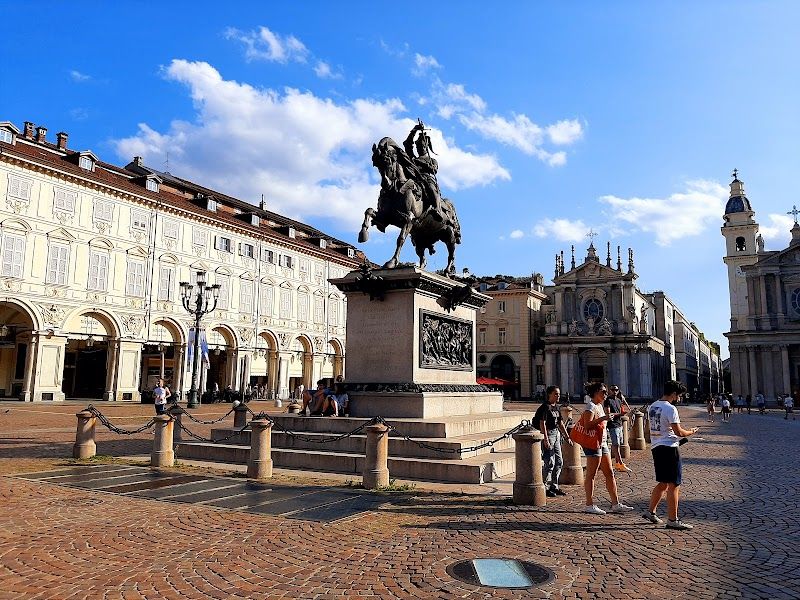
The historic cafes around Piazza San Carlo extend their aperitivo hours from the traditional 18:00-20:00 to 17:00-22:00. Baratti & Milano introduces special chocolate tastings at 16:00 daily, pairing their historic recipes with featured festival exhibitors.
Quadrilatero Romano Street Food Scene
The Quadrilatero Romano transforms into an outdoor extension of the festival. Street food vendors line Via Palazzo di Città and Via Monte di Pietà, selling specialties from festival exhibitors. Porta Palazzo Market coordinates with Salone del Gusto to feature special sections dedicated to Slow Food producers.
The market's Saturday Special (October 26) runs from 8:00 to 14:00, featuring 40 Salone del Gusto exhibitors selling directly to consumers. This provides your cheapest access to festival products, with prices typically 15% below the main festival venue.
Caffè Al Bicerin extends hours during festival week and offers guided bicerin tastings at 11:00, 15:00, and 17:00 daily. The 30-minute sessions (EUR 12) explain the drink's history while you sample three variations of the traditional recipe.
Where to Stay During Turin Food Festival 2026
Hotel availability during turin culinary festival week drops to nearly zero by July. The city sees its highest accommodation demand of the year, with rates jumping 40-60% above normal October pricing.
Luxury Options center around Piazza Castello and Via Roma. The Grand Hotel Sitea and Villa Sassi raise rates to EUR 280-400 per night during festival week, but both offer Festival Packages including breakfast, daily transfer to Lingotto, and reserved seating at one Teatro del Gusto event.
Mid-range Hotels in the EUR 120-200 range fill up fastest since they offer the best value for festival attendees. Hotel Boston near Porta Nuova station provides easy metro access to Lingotto, while Hotel Diplomatic near the center keeps you walking distance from evening restaurant events.
Budget Accommodations become nearly impossible to find during festival week. The few hostel beds available (EUR 35-45) book out by June, and even budget hotels push rates above EUR 85. Consider staying in nearby Moncalieri or Collegno, both accessible via metro and significantly cheaper.
Transportation During Festival Week
The festival provides free shuttle service from Turin's main hotels to Lingotto, running every 20 minutes from 9:30 to 22:30. However, these shuttles often run behind schedule and become overcrowded by afternoon.
Metro Line 1 connects Porta Nuova station to Lingotto in 12 minutes. During festival week, trains run every 4 minutes instead of the usual 8-minute intervals. A GTT daily pass (EUR 4.5) covers unlimited metro, bus, and tram travel and pays for itself if you make three trips.
Walking remains the best option for reaching evening events in the historic center. Most restaurants participating in festival week lie within 15 minutes' walk of each other, and Turin's arcaded sidewalks provide weather protection.
Making the Most of Your Turin Food Festival Experience
Strategic Planning Tips
The festival's size makes strategic planning essential. Download the official app 10 days before opening - it includes detailed exhibitor maps, tasting schedules, and real-time updates on sold-out events.
Priority booking matters more than ticket prices. Teatro del Gusto events sell out within days of booking opening, while Mercato access remains available throughout. Focus your advance bookings on guided tastings and special dinners, then plan spontaneous market exploration around these fixed events.
Timing your visit affects both cost and experience quality. Thursday and Friday see the heaviest crowds but also the most events. Monday through Wednesday offer better access to exhibitors and shorter lines, though some events run only on weekends.
Budget Management
Daily festival spending typically runs EUR 80-150 per person, not including accommodation. This breaks down to EUR 18 for entry, EUR 30-50 for guided tastings, EUR 25-35 for Mercato purchases, and EUR 25-40 for meals outside the festival.
Money-saving strategies include eating breakfast at your hotel, focusing Mercato purchases on items unavailable at home, and attending free events in the historic center rather than all paid festival programming.
Premium experiences cost significantly more but provide access unavailable elsewhere. Master Artisan Dinners (EUR 85) and private group tastings (EUR 180 per person, minimum 8 people) offer direct access to producers and wines not available for individual purchase.
Beyond the Festival: Exploring Turin's Food Scene
The piedmont food festival provides context for Turin's year-round food culture, but the city's culinary identity extends far beyond festival week. Use your visit to explore the establishments that make Turin special throughout the year.
Essential Food Experiences
Turin's food culture operates on different rhythms than other Italian cities. Aperitivo starts earlier (17:00 vs 18:00 elsewhere) and includes more substantial food offerings. The traditional merenda (afternoon snack) around 16:00 often features gianduja chocolate or traditional pastries.
The city's restaurant scene reflects its industrial heritage and royal history. Traditional osterie serve hearty Piedmontese dishes like agnolotti del plin and brasato al Barolo, while modern establishments reinterpret these classics with contemporary techniques.
Our comprehensive Turin food guide covers the essential restaurants, cafes, and food shops that operate year-round, providing context for what you'll discover during festival week.
Cooking Classes and Food Tours
Cesarine cooking classes run throughout festival week with special "Salone del Gusto" sessions featuring ingredients sourced from exhibitors. These 3-hour classes (approximately EUR 85) teach traditional Piedmontese techniques using premium ingredients.
Food tours adapt their routes during festival week to include Salone del Gusto connections. Somewhere Tours & Events offers a Festival Context Tour visiting historic food establishments that supply or relate to festival exhibitors.
Practical Festival Information
Getting There and Getting Around
Lingotto sits on Turin's Metro Line 1, accessible from both Porta Nuova station and the airport via public transport. The SADEM airport bus (EUR 6.5) connects Caselle Airport to Porta Nuova in 45 minutes, from where metro trains reach Lingotto in 12 minutes.
Parking at Lingotto costs EUR 15 per day during festival week, with spaces available until mid-morning most days. Free street parking exists in surrounding residential areas, though availability requires arriving before 8:30.
Festival Logistics
The festival operates bag check services (EUR 3) near the main entrance, essential if you're making multiple Mercato purchases. Most exhibitors provide basic packaging, but bringing a sturdy bag or small wheeled case makes transport easier.
Language presents minimal barriers - most exhibitors speak basic English, and the official app includes English translations for all event descriptions. However, learning basic Italian food terms enhances your experience significantly.
Weather contingency matters since you'll spend considerable time walking between venues. October in Turin typically sees temperatures of 12-18°C with occasional rain. The exhibition halls are climate-controlled, but outside areas and historic center events require weather-appropriate clothing.
Festival Etiquette
Unlike casual food festivals, Salone del Gusto operates with more formal expectations. Exhibitors are serious producers showcasing their life's work, not vendors looking for quick sales. Ask questions, show genuine interest, and respect the educational focus.
Tasting protocols vary by exhibitor but generally follow Italian customs. Accept offered tastes gracefully, ask specific questions about production methods, and purchase something if you sample extensively. Most producers prefer discussing their techniques to hard-selling their products.
The Turin food festival 2026 represents more than a weekend of eating and drinking. It's your introduction to a food culture that values tradition, quality, and the relationship between producer and consumer. Plan accordingly, arrive prepared, and expect to discover why Turin deserves its reputation as Italy's most serious food city.
For additional context on exploring Turin beyond festival week, check our guides to getting started in the city and planning a longer stay. The festival provides the perfect introduction to a city that rewards deeper exploration.