Venice has a food problem, and it's not what you think. The city's greatest culinary challenge isn't finding good food - it's avoiding the terrible tourist traps that line every major thoroughfare between the train station and San Marco. This Venice food guide cuts through the noise to show you what locals actually eat, where they eat it, and why understanding Venetian food culture matters more than memorizing a list of dishes.
The truth about eating in Venice is counterintuitive. The city that invented the modern restaurant (the first establishment to serve individual portions at separate tables opened here in 1765) now has some of Europe's worst tourist food. But step off the main routes, follow the Venetians to their neighborhood bacari, and you'll discover a food culture that's both ancient and alive.
Understanding Venice Food Culture: When and Where Venetians Eat
Venetian eating patterns follow rhythms that confuse most visitors. Breakfast happens standing at the bar counter between 7:30 and 9:00 AM - a cornetto and espresso for EUR 3-5, consumed in three minutes while reading the day's news. Sitting down doubles the price and marks you as a tourist.
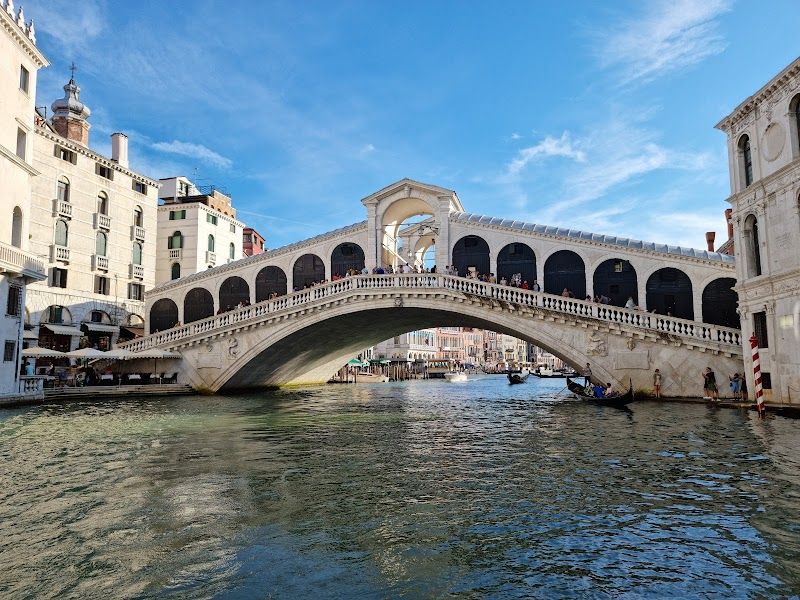
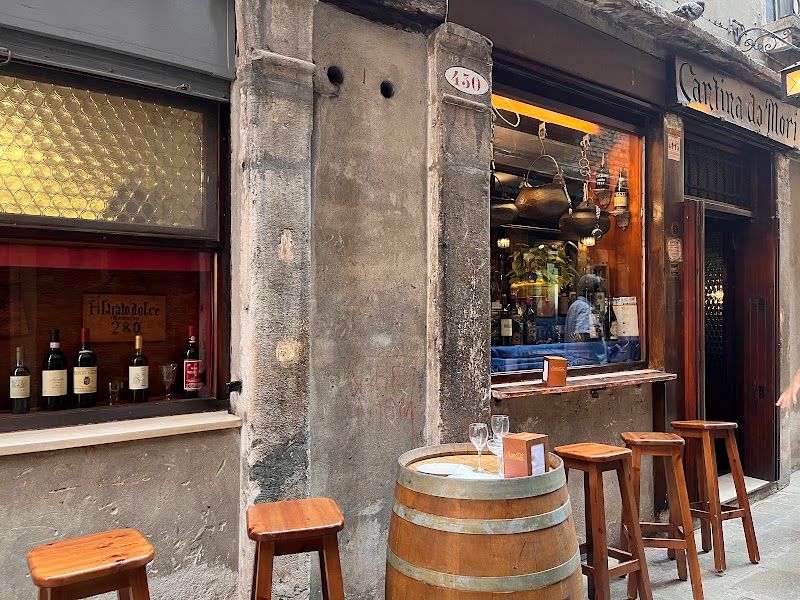
The morning aperitivo culture starts shockingly early. By 10:00 AM, construction workers and market vendors are already ordering their first ombra (small glass of wine) and cicchetti at places like Cantina Do Mori near the Rialto. This isn't alcoholism - it's tradition. The word "ombra" comes from the shadow (ombra) of San Marco's bell tower, where wine sellers once set up their carts to keep the wine cool.
Lunch is light and often skipped entirely, replaced by more substantial cicchetti around 6:00 PM during the evening aperitivo. Dinner starts late, around 8:00 PM, and often takes place at home rather than restaurants. This explains why so many osterie close by 10:00 PM - Venetians aren't dining out late like Romans or Neapolitans.
The Bacaro System: Venice's Answer to Tapas Bars
The bacaro is Venice's greatest food invention, and most tourists walk past dozens without realizing what they're missing. These wine bars serve cicchetti - small plates that cost EUR 1.50-4 each - alongside local wines sold by the glass for EUR 3-6. The system works like this: you order at the bar, eat standing or at high tables, and pay as you go.
The best bacari look unpromising from the outside. They're narrow, crowded, and often have no English menus. The cicchetti sit under glass cases on the bar counter, and you point to what you want. Fresh cicchetti appear around 5:30 PM; anything still there at 8:00 PM has been sitting too long.
In Cannaregio, locals pack into tiny spaces like Al Timon on Fondamenta dei Ormesini. The bar fits maybe 15 people, the cicchetti selection changes daily, and the wine list focuses on natural Veneto bottles most restaurants ignore. This is where you'll find Venetians having actual conversations rather than posing for photos.
Essential Venice Foods to Try: Beyond the Guidebook Classics
Every Venice foods to try list mentions risotto al nero di seppia and fegato alla veneziana, but eating like a local means understanding the seasonal rhythms and daily specialties that define Venetian cooking.
Seasonal Specialties That Define Venice Food
Spring brings molecular gastronomy - not the restaurant kind, but the natural molecular change that happens when Venice lagoon fish spawn. The moeche (soft-shell crabs) available from February through April are caught during their molting period when their shells haven't hardened. Fried whole for EUR 8-12 per portion, they taste like concentrated ocean with a crispy, edible exterior.
Venice food specialties change with the lagoon's rhythms. Summer means sarde in saor - sweet and sour sardines that showcase Venetian trade history through their use of pine nuts and raisins from distant markets. The dish keeps well in heat without refrigeration, a maritime trading culture.
Autumn brings the real prize: branzino in crosta di sale. Whole sea bass baked in a thick salt crust that creates a natural steam chamber. When cracked open at the table, the fish inside is impossibly moist and clean-tasting. Good versions cost EUR 35-45 for two people, but the technique is so specific to Venetian cooking that attempting it elsewhere usually fails.
Winter means baccalà mantecato - whipped salt cod that requires specific timing and technique. The cod is soaked for days, then slowly cooked and whipped with olive oil until it becomes a light, airy mousse. Served on grilled polenta or spread on bread, it's comfort food that tastes like the ocean remembered as a dream.
The Rialto Market Reality Check
The Rialto Market operates Tuesday through Saturday from 7:00 AM to 12:00 PM, and it's where Venice's food reality becomes clear. The fish market (Pescheria) closes at noon sharp - no exceptions, no tourist considerations. If you want to see the boats unloading their catch and understand what "fresh" means in Venice, arrive by 8:00 AM.
The produce vendors in the Erberia sell vegetables that explain Venetian cooking better than any cookbook. The radicchio di Treviso (available November through February) has a bitter complexity that pairs with the region's sharp, dry wines. The white asparagus from Bassano del Grappa (April through June) is so prized that restaurants build entire menus around its brief season.
Watching locals shop at Rialto reveals Venice food culture truths that restaurant meals miss. Venetians buy fish for specific preparations - John Dory for brodetto, turbot for grilling, anchovies for pasta sauce. They know which vendors get the best morning deliveries and which boats bring fish caught yesterday versus three days ago.
Where to Eat in Venice: A Neighborhood Guide
San Marco: Avoiding the Disaster Zone
San Marco contains Venice's worst tourist food and some of its best hidden spots. The rule is simple: avoid anywhere with a menu in four languages and photos of food. These places exist to separate tourists from their money as efficiently as possible.
The exception is All'Arco, tucked behind the Rialto Market at Calle dell'Arco 436. This standing-only bacaro serves some of Venice's best cicchetti to a mix of market workers and savvy visitors. The baccalà mantecato arrives on warm bread, and the selection changes based on that morning's market finds. Expect to spend EUR 10-15 per person for a proper selection with wine.
San Marco's secret weapon is its early morning culture. Before 9:00 AM, the neighborhood belongs to locals heading to work. The bars serve proper breakfast - strong coffee, fresh cornetti, and the day's first newspapers. Caffè Centrale at Piscina Frezzeria 1659 makes coffee that locals drink standing at the counter for EUR 1.20, while tourists pay EUR 5 to sit outside.
Dorsoduro: University Quarter Authenticity
Dorsoduro benefits from Ca' Foscari University's presence, which keeps prices reasonable and quality high. Students can't afford tourist traps, so the neighborhood maintains genuine local eating spots.
Campo Santa Margherita transforms throughout the day. Morning brings coffee and cornetti at bars that serve university professors and local shopkeepers. Afternoon sees students gathering for spritz and cicchetti. Evening turns the campo into Venice's closest approximation to a Roman piazza, with outdoor drinking and socializing.
The campo's secret is Il Doge Gelateria, which makes gelato using traditional methods and seasonal ingredients. Their pistachio uses Sicilian nuts, the chocolate comes from single-origin cacao, and the seasonal fruit flavors change based on what's available at Rialto Market. A proper portion costs EUR 3-4, and locals eat it year-round.
Osteria Al Squero sits directly across from the Squero di San Trovaso, the city's last working gondola repair shop. The location attracts tourists, but the food remains authentic because locals from the surrounding residential streets keep standards high. Their cicchetti selection includes proper baccalà mantecato and seasonal vegetables prepared according to traditional methods.
Cannaregio: The Local's Neighborhood
Cannaregio stretches from the train station to the northern lagoon, and most of it remains genuinely Venetian. This is where locals live, shop, and eat without considering tourist expectations.
The neighborhood's food culture centers on Strada Nova, the main walking route from the station to Rialto. But the real finds lie on the side streets - narrow calli where osterie serve neighborhood regulars rather than passing visitors.
Osteria ai Ormesini (Fondamenta dei Ormesini 269) operates in a narrow space that fits maybe 20 people. The menu changes daily based on market availability, and the wine list focuses on small Veneto producers. Their pasta e fagioli appears only on cold days and tastes like concentrated comfort - beans cooked until creamy, pasta added at the last minute, finished with olive oil that locals bring from their family's trees on the mainland.
The Jewish Ghetto area maintains its own food culture, with bakeries that have operated continuously since the 16th century. Panificio Volpe (Calle del Ghetto Vecchio 1143) makes bread using traditional methods - long fermentation, hand shaping, wood-fired ovens. Their challah on Fridays draws lines of locals who've been shopping here for decades.
San Polo and Santa Croce: Market Culture
San Polo and Santa Croce contain the Rialto Market and the food culture that surrounds it. This is where Venice's restaurant owners shop, and where locals maintain the city's most traditional eating habits.
The area's osterie serve simple food prepared well rather than elaborate presentations designed for social media. Da Fiore (Calle del Scaleter 2202/A) has operated since 1978, serving the same families for generations. Their menu rarely changes - pasta with seasonal vegetables, grilled fish from that morning's market, simple wines from family producers in the Veneto.
The neighborhood's morning culture reveals Venice's working reality. Market porters start drinking wine at 7:00 AM - not because they're alcoholics, but because physical labor in Venice's humidity requires constant hydration, and wine with food provides more sustained energy than coffee alone. The morning bacari near Rialto serve substantial cicchetti - thick slabs of bread topped with baccalà, marinated vegetables, or hard-aged cheese - designed to fuel people who spend their days carrying heavy loads across bridges.
Venice Food Reddit Wisdom: What Locals Actually Recommend
Venice food Reddit discussions reveal truths that official guides miss. Local users consistently recommend the same strategies: eat where you see Venetians eating, avoid anywhere with English menus near major attractions, and remember that good food in Venice often looks unpromising from the outside.
Reddit locals emphasize timing over location. The best cicchetti appear fresh around 5:30 PM and disappear by 8:00 PM. Restaurant lunch service runs from 12:00-2:30 PM with no flexibility - Venetian kitchens close when they say they close, regardless of tourist expectations.
The platform's most valuable advice concerns pricing expectations. Budget EUR 35-55 per person for a good dinner away from tourist areas, including wine. Spending less usually means compromising on quality or location. Spending significantly more means paying tourist premiums unless you're at one of the city's few genuinely high-end establishments.
Local Reddit users also provide seasonal timing advice that guidebooks miss. October through March offers the best food-to-price ratio because restaurants serve local customers rather than tourists. Summer menus often simplify to handle volume, while winter cooking shows off the techniques and ingredients that define Venetian cuisine.
Practical Venice Food Guide: Timing, Budgeting, and Navigation
Meal Timing and Restaurant Hours
Venetian restaurants operate on schedules that confuse visitors from dining cultures with different patterns. Breakfast ends at 10:00 AM sharp - most bars stop serving cornetti and switch to aperitivo mode. Lunch service runs from 12:00-2:30 PM with kitchen closures that aren't negotiable.
The afternoon break from 3:00-6:00 PM means most restaurants close completely. This isn't just kitchen closure - the entire establishment shuts down. Planning meals during these hours requires finding the few places that serve food continuously, usually tourist-oriented establishments with correspondingly lower quality.
Evening aperitivo starts at 5:30 PM and transitions to dinner around 8:00 PM. The transition is gradual - bacari that serve cicchetti at 6:00 PM might start offering full pasta dishes by 7:30 PM. Understanding this flow helps you eat when food is freshest and service is most attentive.
Budget Planning for Venice Food
Venice food costs reflect the city's unique logistics and tourist pressure. Every ingredient arrives by boat, increasing costs compared to mainland cities. Popular areas near attractions charge premium prices, while residential neighborhoods offer better value.
Daily food budgeting should account for Venice's meal patterns. A typical local eating day costs:
- Morning coffee and cornetto: EUR 3-5 (standing at bar)
- Aperitivo cicchetti and wine: EUR 12-18 (4-5 small plates plus drinks)
- Dinner at neighborhood osteria: EUR 35-55 (including wine)
Total daily food cost ranges from EUR 50-78 per person for eating well without tourist markups. Adding canal-view dining or famous restaurant meals doubles these costs without necessarily improving food quality.
Getting to Local Food Areas
Venice's food geography rewards understanding the vaporetto system and walking routes. Line 1 connects major food neighborhoods but moves slowly due to frequent stops. Line 2 offers faster connections but serves fewer food-relevant stops.
Walking remains the best way to discover Venice food culture. The route from Santa Lucia station to Rialto via Lista di Spagna and Strada Nova passes dozens of local eating spots without tourist markups. The parallel route through smaller calli reveals neighborhood bacari that serve residents rather than visitors.
Our comprehensive Venice 2-3 days itinerary includes specific walking routes that connect food experiences with major attractions, while our bacari and cicchetti guide provides detailed neighborhood maps for food-focused exploration.
Beyond Basic Tourist Food: Advanced Venice Eating
Understanding Venice food culture means recognizing that the city's greatest culinary experiences often happen in unremarkable-looking places serving food that doesn't photograph well. Real Venetian cooking prioritizes flavor over presentation, technique over novelty, and seasonal ingredients over year-round availability.
The city's food culture rewards patience and local knowledge over guidebook recommendations. The best meals happen when you follow Venetians to their regular spots rather than seeking out places designed for tourist consumption. This means accepting that great food sometimes comes with minimal service, no English menus, and locations that require navigation through maze-like streets.
Venice food specialties reflect the city's unique position between land and sea, East and West, tradition and adaptation. Understanding this context transforms eating from simple consumption to cultural education - every meal tells the story of a city that shouldn't exist but does, built on water and sustained by ingenuity that extends from architecture to cuisine.
This Venice food guide provides the framework for eating authentically in one of Europe's most tourist-heavy cities. Success requires abandoning tourist expectations and embracing the rhythms, timing, and locations that define how Venetians actually live and eat in their impossible city.