Venice food is known for its unique position at the crossroads of the Mediterranean and Northern Europe, creating a cuisine that marries fresh Adriatic seafood with spices from centuries of maritime trade. The city's signature dishes evolved from necessity - what could survive in a place with no agriculture, where everything had to arrive by boat, and where preservation techniques became an art form.
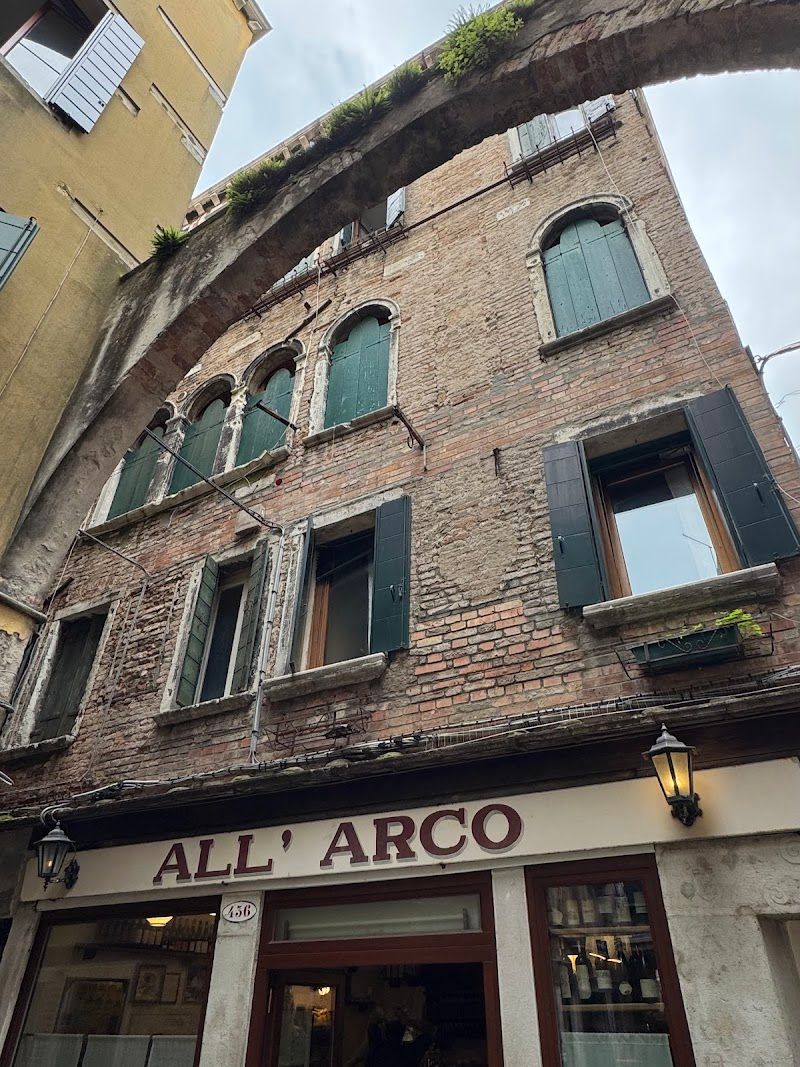
The real venice signature dishes have nothing to do with the tourist-trap restaurants around San Marco. Instead, traditional venetian cuisine lives in the bacari (wine bars) of Cannaregio and the working-class neighborhoods where Venetians still eat like their ancestors did.
Cicchetti: Venice's Answer to Tapas
Cicchetti are small plates that form the backbone of what food venice is famous for. These bite-sized dishes, served on pieces of bread or as standalone morsels, represent the social dining culture that makes Venetian cuisine distinct from the rest of Italy. Unlike Spanish tapas, cicchetti evolved specifically around the bacaro culture - you stand at the bar, order a glass of wine for EUR 3-6, and point to whatever looks good behind the glass counter.
The best cicchetti combine simplicity with the quality ingredients that arrive daily at the Rialto Market. Baccalà mantecato (whipped salt cod) spread on white polenta creates a creamy, intensely flavored bite. Sarde in saor layers sweet and sour sardines with onions and pine nuts. Tramezzini - soft white bread triangles filled with tuna, egg, or vegetables - represent the more casual side of the tradition.
The social aspect matters as much as the food. Venetians use cicchetti time (typically 6-8 PM) to catch up on neighborhood gossip, discuss water taxi prices, and complain about the tourist crowds. Join them at Cantina Do Mori near the Rialto, which has served cicchetti since 1462 and maintains the standing-only tradition that keeps prices reasonable.
Baccalà Mantecato: The Venetian Codfish Classic
Baccalà mantecato represents everything clever about traditional venetian cuisine - taking preserved ingredients and transforming them into something luxurious. This whipped salt cod preparation became a staple because dried cod could survive long sea journeys and provided protein when fresh fish wasn't available.
The preparation technique matters enormously. Good baccalà mantecato requires soaking the salt cod for days, then slowly cooking it with garlic, parsley, and olive oil while whipping it into a mousse-like consistency. The result should be light, creamy, and intensely flavored without being fishy. Poor versions taste salty and stringy - a clear sign that corners were cut in preparation.
You'll find excellent baccalà mantecato at proper bacari throughout the city, but avoid the pre-made versions sitting under heat lamps near tourist attractions. The dish should be prepared fresh daily and served at room temperature on grilled polenta or good bread. Expect to pay around EUR 4-7 for a proper portion at traditional establishments.
Sarde in Saor: Sweet and Sour Sardine Perfection
Sarde in saor demonstrates the Venetian mastery of preservation techniques that allowed the city to thrive despite having no agricultural land. This dish of marinated sardines with onions, vinegar, pine nuts, and raisins originated as a way to preserve fish for long voyages, but evolved into one of the most sophisticated examples of famous venetian food.
The sweet and sour combination reflects Venice's position as a spice trading hub. The vinegar and onions preserve the fish, while pine nuts and raisins add complexity that transforms simple sardines into something special. The dish improves over time - the best versions have marinated for at least 24 hours, allowing the flavors to meld completely.
Authentic sarde in saor should have firm, not mushy, fish with onions that retain some bite. The marinade should taste balanced, not overwhelmingly acidic. You can find good versions at most traditional bacari, particularly in Dorsoduro where locals still frequent the neighborhood wine bars.
Risi e Bisi: The Spring Risotto That Defines Venetian Comfort Food
Risi e bisi (rice and peas) holds special significance in venetian specialties as the dish traditionally served to the Doge on April 25th, the feast day of St. Mark. This spring risotto celebrates the brief season when fresh peas arrive from the mainland, creating a dish that's more liquid than typical risotto but more substantial than soup.
The preparation technique sets risi e bisi apart from other Italian rice dishes. Venetian cooks use Vialone Nano rice, which absorbs liquid differently than Arborio, creating a looser, more brothy consistency. The peas should be sweet and tender, preferably from Sant'Erasmo island in the Venetian lagoon, though mainland varieties work when prepared properly.
Good risi e bisi tastes primarily of peas, with the rice providing creamy texture rather than dominating the flavor. The dish should be served all'onda (wavy), meaning it spreads when spooned onto a plate rather than holding its shape. Many restaurants serve overly thick versions that miss the point entirely.
You'll pay around EUR 12-18 for risi e bisi at traditional trattorias, though some upscale restaurants charge significantly more. The dish appears on menus mainly in spring (March through May) when fresh peas are available.
Bigoli in Salsa: Whole Wheat Pasta with Anchovy Magic
Bigoli in salsa represents the intersection of Venetian practicality and flavor mastery. These thick, whole wheat pasta strands get tossed with a sauce of anchovies, onions, and olive oil - ingredients that could survive in Venetian pantries indefinitely while creating something far more complex than the simple ingredient list suggests.
The pasta itself has historical significance. Bigoli were invented in Padova but adopted enthusiastically by Venetians who appreciated the hearty, substantial noodles that could stand up to bold flavors. The traditional preparation uses a hand-cranked machine that creates pasta with a rough texture that holds sauce perfectly.
The salsa component - anchovies slowly dissolved in olive oil with sweet onions - should taste rich and complex, not simply salty. The anchovies essentially disappear into the oil, creating an intensely savory base that coats the pasta without overwhelming it. Good versions balance the strong anchovy flavor with sweet onions and high-quality olive oil.
You'll find bigoli in salsa at traditional osterie throughout Venice, particularly in San Polo and Santa Croce near the markets where the ingredients have been sold for centuries. Expect to pay around EUR 10-15 for a proper portion.
Fegato alla Veneziana: Liver and Onions Elevated to Art
Fegato alla veneziana transforms the humble combination of liver and onions into sophisticated cuisine that showcases traditional venetian cooking techniques. This dish requires precise timing and temperature control - the liver must be cooked quickly over high heat to remain tender, while the onions need slow, patient cooking to develop sweetness.
The key lies in the preparation method. Venetian cooks slice calf's liver extremely thin, dust it lightly with flour, and cook it briefly in hot oil. The onions cook separately until they're golden and sweet, then combine with the liver for just long enough to heat through. The result should be tender liver with no trace of the metallic taste that ruins poorly prepared versions.
Many restaurants outside Venice serve tough, overcooked liver that bears no resemblance to proper fegato alla veneziana. The authentic version has liver that's pink in the center and onions that taste sweet rather than bitter. The dish often comes with polenta, which provides a creamy contrast to the rich liver and sweet onions.
Fegato alla veneziana appears on menus at traditional osterie throughout the city, typically priced around EUR 15-20. The dish isn't common at tourist-focused restaurants, making it a good test of whether an establishment serves authentic local food.
Moleche: Soft-Shell Crabs That Disappear Too Quickly
Moleche represent the most seasonal and prized example of what food venice is famous for. These soft-shell crabs from the Venetian lagoon are available only during molting season (spring and fall), when the crabs shed their shells and become entirely edible. The brief availability and labor-intensive preparation make moleche one of the most expensive venetian specialties.
The traditional preparation involves keeping the crabs alive in milk or beaten eggs for several hours, which supposedly makes them taste sweeter and eliminates any muddy flavors. They're then dredged in flour and deep-fried whole until crispy. Properly prepared moleche should be light and crunchy with sweet, delicate crab meat inside.
Finding good moleche requires timing and knowledge. The season runs roughly April-May and October-November, depending on water temperature and crab behavior. Many restaurants serve imported soft-shell crabs year-round and call them moleche, but authentic versions come only from the Venetian lagoon during molting season.
Expect to pay EUR 25-40 for a portion of moleche at restaurants that serve the real thing. The price reflects both scarcity and the labor involved in keeping the crabs alive and properly prepared. Some upscale establishments charge even more, particularly those with canal views in tourist areas.
Tiramisu: The Dessert That Conquered the World Started Here
Tiramisu's origin story involves competing claims from Veneto, Friuli, and other northern Italian regions, but the Venetian version remains one of the most traditional. The combination of coffee-soaked ladyfingers, mascarpone, eggs, and cocoa creates a dessert that perfectly balances richness with the bright acidity that cuts through heavy meals.
Authentic Venetian tiramisu uses strong espresso rather than weak coffee, high-quality mascarpone that hasn't been over-whipped, and eggs that add richness without making the dessert too dense. The ladyfingers should retain some texture rather than dissolving completely into mush. Many versions served to tourists use artificial flavoring or pre-made components that bear no resemblance to properly prepared tiramisu.
The dessert needs several hours of chilling to develop the proper texture and allow flavors to meld. Rush jobs taste of individual components rather than the unified dessert that made tiramisu famous worldwide. Good versions balance sweetness with the bitter edge of coffee and cocoa.
You'll find tiramisu at restaurants throughout Venice, typically priced around EUR 6-10 per portion. The best versions come from establishments that make their own rather than buying pre-made desserts from suppliers.
Where to Find Authentic Venice Food
The traditional venetian cuisine described above exists primarily in bacari and neighborhood osterie rather than the restaurants that cater to day-trippers. The concentration of authentic establishments varies significantly by neighborhood, with tourist-heavy areas offering mostly mediocre food at inflated prices.
Our complete guide to Venice's bacari and cicchetti scene provides detailed recommendations for finding the best traditional food. The establishments near the Rialto Market generally offer the freshest ingredients and most authentic preparations, since they serve the vendors and workers who supply the city.
Avoid restaurants with English menus posted outside, particularly around St. Mark's Square and the main tourist routes. These establishments typically serve simplified versions of Venetian dishes designed for tourists who expect familiar flavors. The markup can be extreme - a simple pasta dish that costs EUR 8-12 at a neighborhood osteria might cost EUR 20-25 at a tourist restaurant.
Price Expectations for Authentic Venetian Food
| Dish | Traditional Bacaro | Tourist Restaurant | Notes |
|---|---|---|---|
| Cicchetti (3-4 pieces) | EUR 6-10 | EUR 15-20 | Quality varies dramatically |
| Baccalà mantecato | EUR 4-7 | EUR 12-15 | Often pre-made in tourist spots |
| Risi e bisi | EUR 12-18 | EUR 20-28 | Seasonal availability |
| Bigoli in salsa | EUR 10-15 | EUR 18-25 | Simple dish, big price difference |
| Fegato alla veneziana | EUR 15-20 | EUR 25-35 | Rare at tourist restaurants |
| Moleche (in season) | EUR 25-40 | EUR 40-60 | Often not authentic |
When to Experience Venice Food Culture
The timing of your food exploration matters enormously in Venice. The city's food culture operates on rhythms that don't accommodate typical tourist schedules, and understanding these patterns helps you find better food at better prices.
Cicchetti culture peaks between 6-8 PM, when locals stop for drinks and small plates after work. Arriving during this window means fresher food, more authentic atmosphere, and the chance to observe how Venetians actually eat. Many bacari close by 9 PM, making early evening crucial for experiencing traditional wine bar culture.
Seasonal availability affects many signature dishes. Risi e bisi appears mainly in spring when fresh peas are available. Moleche season runs roughly April-May and October-November. Sarde in saor tastes best when made with fresh sardines rather than frozen fish, making summer and early fall optimal.
The Rialto Market operates Tuesday through Saturday mornings, with the best selection arriving early. Restaurants near the market often feature daily specials based on the morning's best ingredients, making lunch an excellent time to sample traditional preparations.
Planning Your Venice Food Experience
Experiencing authentic venice food known for requires planning that goes beyond booking dinner reservations. The city's unique geography and tourism patterns create challenges that can derail food plans if you're not prepared.
Many excellent bacari operate on limited schedules, often closing one day per week and maintaining irregular hours during off-season months. The establishments that serve the most authentic food typically cater to locals rather than tourists, meaning they may close during peak tourist hours or maintain schedules that seem inconvenient to visitors.
Transportation affects food choices more than in typical cities. Getting from San Marco to a recommended restaurant in Cannaregio requires planning vaporetto routes and timing, particularly late in the evening when service becomes less frequent. The EUR 9.5 single vaporetto tickets add up quickly, making day passes worthwhile for food-focused itineraries.
Planning a 2-3 day Venice itinerary that incorporates authentic food experiences requires balancing geography with opening hours and seasonal availability. The compact size of Venice's historic center makes neighborhood-hopping feasible, but the crowds and narrow streets can slow movement significantly during peak hours.
The famous venetian food described above represents centuries of adaptation to a unique environment - a city built on water, dependent on trade, and constantly threatened by the sea. Understanding this context helps you appreciate why these dishes developed and why they remain important to Venetian identity despite the pressure of mass tourism. The effort required to find authentic versions pays off with food that tastes completely different from the tourist versions, providing insight into how Venice actually feeds itself rather than how it feeds its visitors.