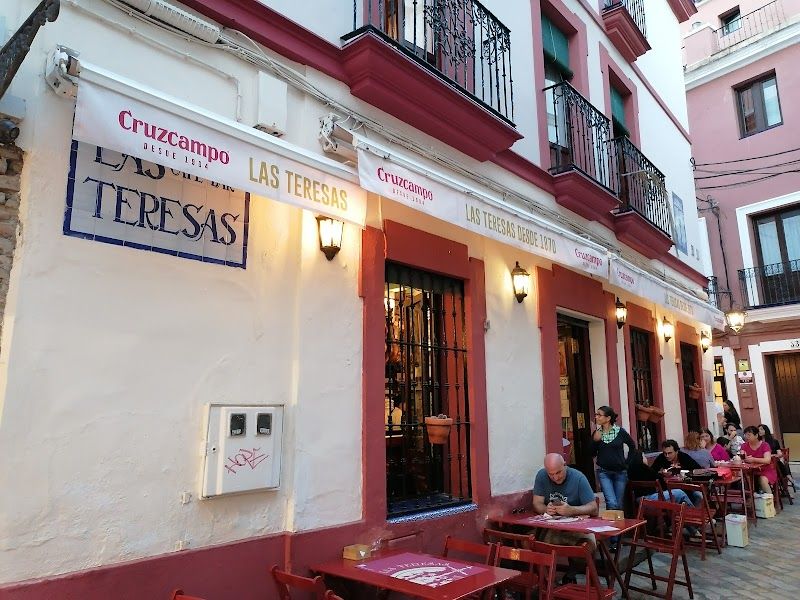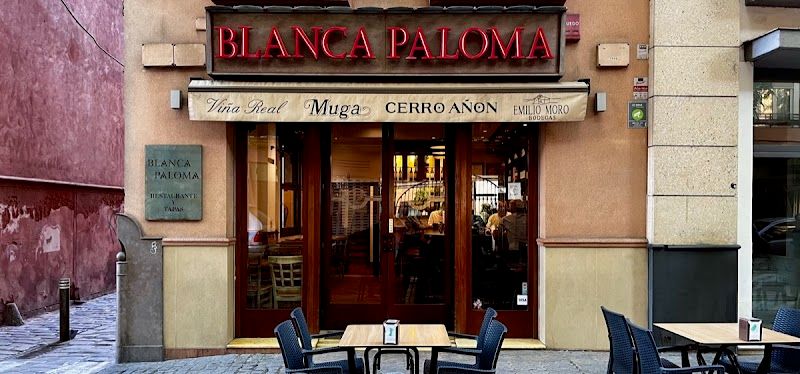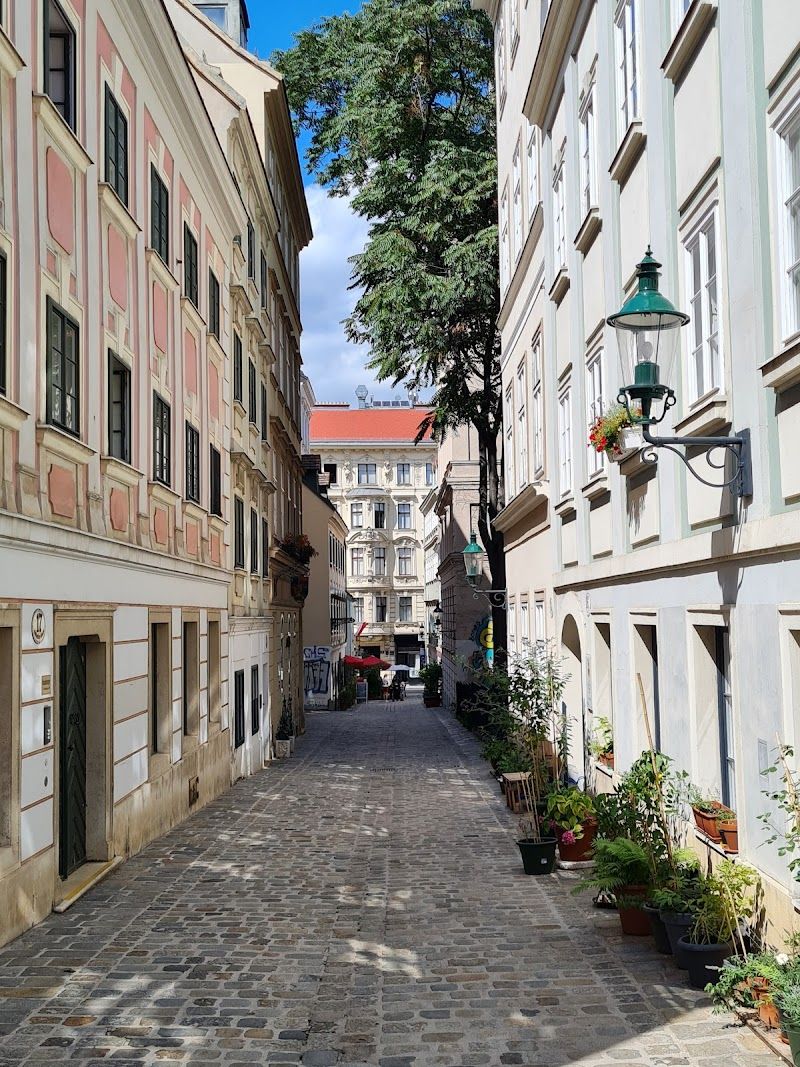
The Vienna vs Prague vs Budapest debate is not really a debate at all. These three Central European capitals offer such different experiences that the real question is not which one is better, but which one matches what you are looking for. Vienna serves up imperial grandeur with a side of coffee house culture, Prague delivers fairy-tale architecture with crowds to match, and Budapest offers thermal baths and Europe's best nightlife at bargain prices.
After spending months in all three cities, the choice comes down to your priorities: Vienna for sophistication and art, Prague for medieval atmosphere and beer, Budapest for thermal baths and value. Each city rewards different types of travelers, and understanding these differences will save you from booking the wrong trip.
Vienna vs Prague vs Budapest: The Essential Differences
Vienna: Imperial Elegance Meets Modern Culture
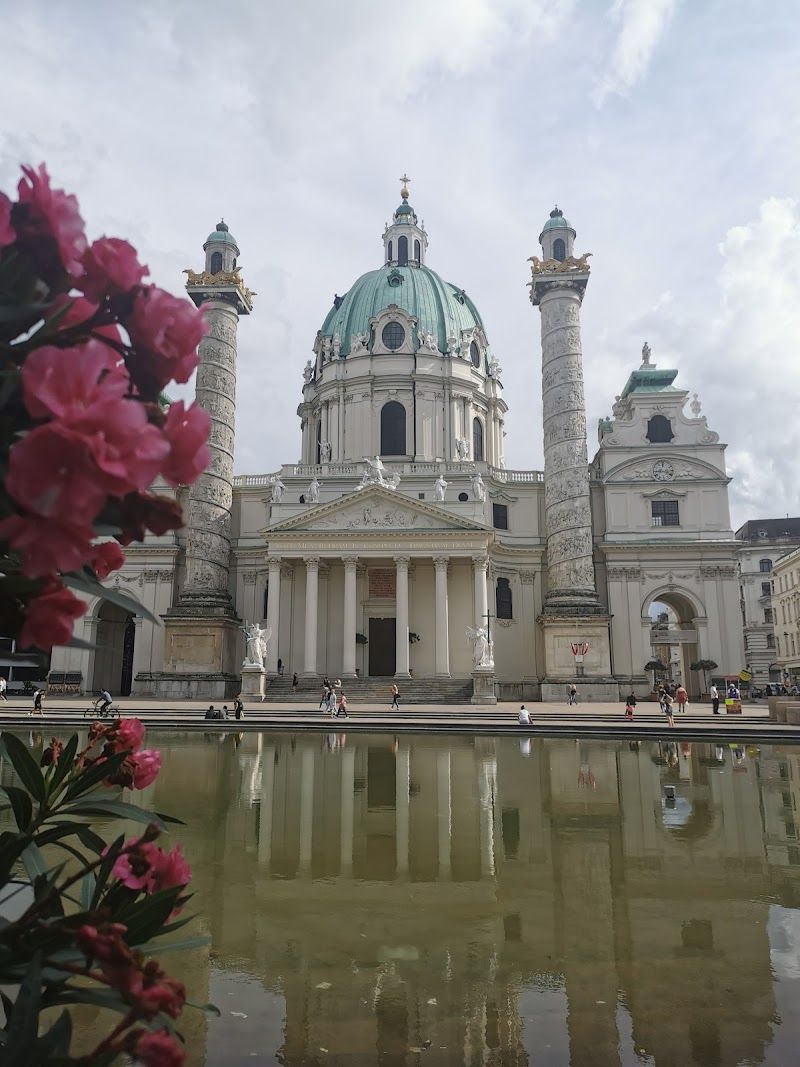
Vienna operates like a perfectly maintained museum where people still live. The Habsburg legacy runs through every cobblestone in the Innere Stadt, from the Hofburg Palace complex to the Vienna State Opera. But Vienna is not stuck in the past. The MuseumsQuartier houses some of Europe's best contemporary art, and neighborhoods like Neubau pulse with creative energy.
The coffee house culture here is UNESCO-recognized for good reason. At Café Central, you order a Melange (EUR 4.50-6), get a glass of water without asking, and sit for hours reading newspapers on wooden sticks. This is not tourism - this is how Viennese actually live.
Vienna works best for: Art lovers, classical music fans, food enthusiasts, travelers who prefer substance over flash.
Prague: Medieval Drama with Tourist Hordes
Prague looks like Disney designed a medieval city, except it is real and dates back 1,000 years. The Charles Bridge at sunrise, the Astronomical Clock chiming on the hour, Prague Castle dominating the skyline - these sights deliver exactly what you expect from a fairy-tale European capital.
The problem is everyone else expects it too. Prague receives 8 million visitors annually in a city of 1.3 million residents. The Old Town Square turns into a human zoo during peak hours, and restaurants near major attractions charge tourist prices for mediocre food. But venture beyond the Golden Lane into neighborhoods like Vinohrady or Karlín, and you will find the Prague locals love: excellent beer (the world's best, according to many), innovative restaurants, and Art Nouveau architecture rivaling Vienna.
Prague works best for: First-time European visitors, beer enthusiasts, history buffs, travelers who do not mind crowds for spectacular sights.
Budapest: Thermal Luxury at Socialist Prices
Budapest splits into two cities divided by the Danube: Buda's hills and castles, Pest's grand boulevards and thermal baths. The city offers Europe's most elaborate spa culture - Széchenyi Thermal Baths lets you soak in 38°C mineral water while snow falls around you, all for around EUR 22.
The nightlife scene centers on ruin bars like Szimpla Kert, where drinks cost EUR 2-4 and the atmosphere beats anything in Western Europe. Budapest maintains the lowest prices among the three capitals while offering experiences you cannot find elsewhere.
Budapest works best for: Budget travelers, nightlife enthusiasts, spa lovers, travelers seeking unique experiences without Western European prices.
Vienna Prague Budapest Cost Comparison
| Category | Vienna | Prague | Budapest |
|---|---|---|---|
| Mid-range hotel | EUR 120-200 | EUR 80-150 | EUR 60-120 |
| Restaurant dinner | EUR 25-40 | EUR 18-30 | EUR 15-25 |
| Museum admission | EUR 12-18 | EUR 8-15 | EUR 6-12 |
| Beer (0.5L) | EUR 4.2-6.5 | EUR 2.5-4 | EUR 2-3.5 |
| Public transport day pass | EUR 8 | EUR 5.50 | EUR 5 |
| Coffee | EUR 2.8-4.5 | EUR 2-3.5 | EUR 1.5-3 |
Budget verdict: Budapest costs 30-40% less than Vienna, with Prague falling in between. Vienna delivers the most expensive experience but also the most refined one. Budapest offers exceptional value, especially for dining and entertainment.
Cultural Attractions: Which City Wins
Vienna's Imperial Art Scene
Vienna concentrates art in a compact area. The Kunsthistorisches Museum (EUR 18) houses Bruegel's complete peasant painting collection and Caravaggio masterpieces. The Belvedere Palace (EUR 18) displays Klimt's "The Kiss" alongside the world's largest Schiele collection at the Leopold Museum (EUR 15).
Vienna's cultural calendar runs year-round. The Vienna State Opera performs 300 nights annually, and standing room tickets cost just EUR 4-6. The Musikverein, home of the Vienna Philharmonic, offers concerts most nights from September through June.
Prague's Medieval Storytelling
Prague Castle complex contains 1,000 years of architecture in one location. St. Vitus Cathedral's Gothic spires, the Old Royal Palace's Vladislav Hall, and the Golden Lane's alchemist workshops tell the story of Bohemian kings and Holy Roman Emperors.
The Astronomical Clock performs its hourly show for crowds that gather regardless of weather. The mechanism, installed in 1410, still functions with medieval engineering that astounds modern visitors.
Budapest's Thermal and Architectural Heritage
Budapest's thermal bath culture dates to Roman times but reached its peak under Ottoman rule. Rudas Baths, built in 1566, maintains its original Turkish dome and octagonal pool. The experience of soaking in 40°C mineral water while gazing through 500-year-old windows cannot be replicated anywhere else in Europe.
The Hungarian Parliament Building, completed in 1904, contains 691 rooms and 29 staircases. Free tours (advance booking required) reveal the Crown Jewels of Hungary in the building where the nation's laws are still made.
Vienna vs Prague vs Budapest for Different Travel Styles
Best Central European City for Art Lovers
Winner: Vienna by a significant margin. The concentration of art within walking distance of the Innere Stadt is unmatched. The MuseumsQuartier alone houses five major museums, while the Ringstrasse contains enough imperial architecture to satisfy the most demanding cultural traveler.
Our 5-day Complete Vienna Experience dedicates two full days to art museums and still only scratches the surface.
Best Central European City for Budget Travel
Winner: Budapest without question. Quality three-course dinners cost EUR 15-25, excellent local wine runs EUR 3-5 per glass, and thermal bath access costs less than a coffee in Vienna. The city's ruin bar scene offers EUR 2-4 drinks in atmospheric venues that would cost EUR 8-12 in Western European capitals.
Budapest's free attractions include the Fisherman's Bastion viewpoint, all Danube riverbank walks, and the Central Market Hall browsing.
Best Central European City for First-Time European Visitors
Winner: Prague for its postcard perfection. The city delivers every European travel fantasy: medieval squares, castle views, bridge walks, and beer halls. Prague's compact center allows visitors to experience centuries of architecture in a weekend walk.
However, Vienna runs a close second for travelers prioritizing cultural depth over fairy-tale aesthetics.
Best Central European City for Food Enthusiasts
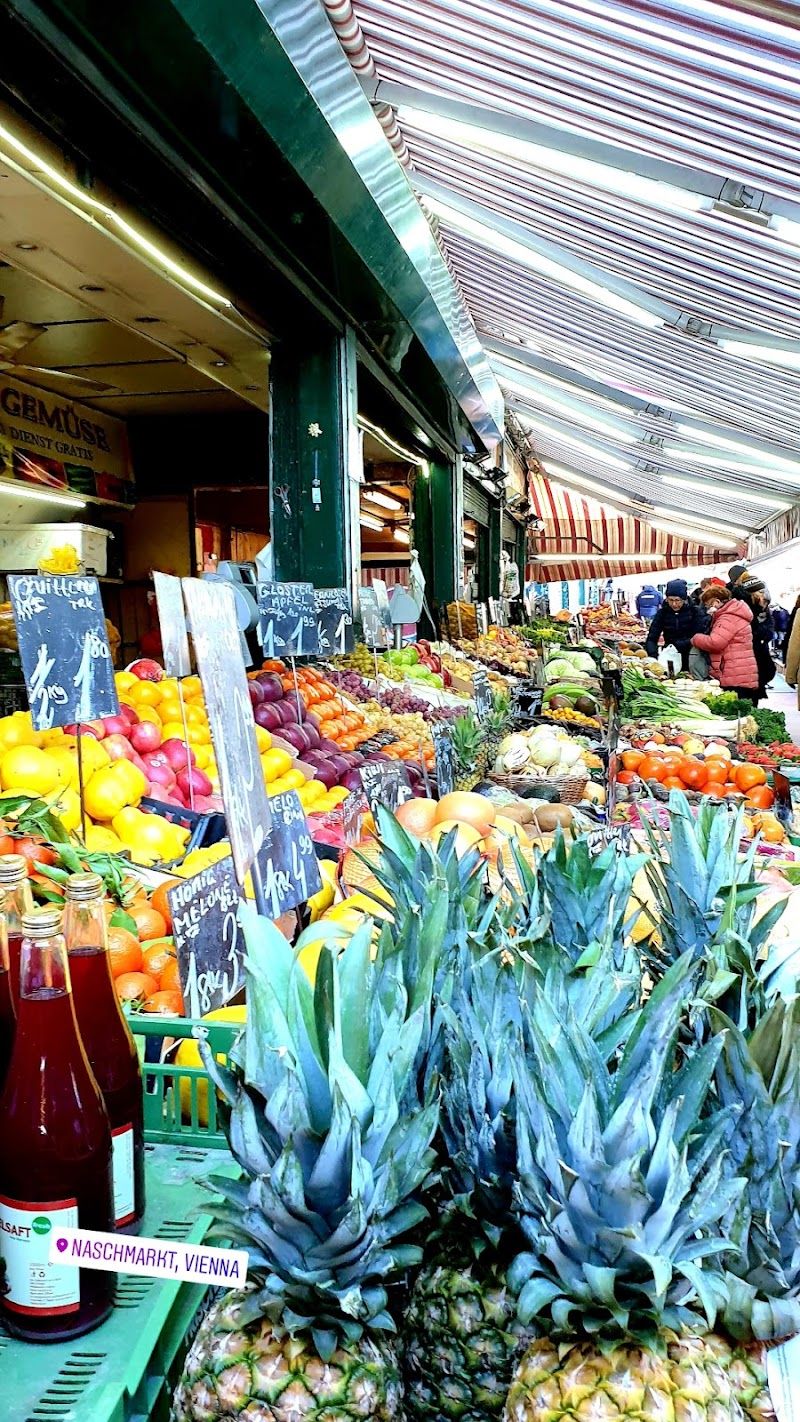
Winner: Vienna for traditional European cuisine executed at the highest level. Figlmüller serves Vienna's most famous schnitzel, Plachutta Wollzeile perfects Tafelspitz (boiled beef), and the Naschmarkt offers ingredients and prepared foods from across the former Habsburg Empire.
Vienna's coffee house culture adds another dimension: Demel, the former imperial pastry shop, still serves sachertorte using the original 1832 recipe.
Vienna Prague Budapest Itinerary Planning
The Two-Week Central European Circuit
The most popular Vienna Prague Budapest itinerary allocates 4-5 days per city with travel days between. This schedule works well because:
-
Vienna (5 days): Allows proper exploration of major museums, palace visits, and coffee house experiences without feeling rushed. Our 3 Days in Vienna First-Timer's Itinerary covers essentials, but five days permits deeper cultural immersion.
-
Prague (4 days): Sufficient for castle exploration, Old Town wandering, and day trip to Kutná Hora or Český Krumlov. Four days also allows time for beer hall experiences beyond tourist traps.
-
Budapest (4-5 days): thermal bath visits, Buda and Pest exploration, plus evening entertainment. The extra day accommodates the slower pace that thermal bath culture encourages.
Transportation Between Cities
Train connections make the Vienna Prague Budapest triangle practical:
- Vienna to Prague: 4 hours by train (EUR 29-89 depending on booking time)
- Prague to Budapest: 7 hours by train (EUR 25-65)
- Vienna to Budapest: 2.5 hours by train (EUR 19-49)
Flights between cities take 1-1.5 hours but airport transfers often make total travel time similar to trains.
Single-City Deep Dives
Choosing one city for a week-long visit often provides more satisfaction than rushing through all three:
- Vienna week: Allows day trips to Salzburg, Hallstatt, or the Wachau Valley while maintaining a base for evening cultural events.
- Prague week: Permits exploration of Bohemian castles, spa towns like Karlovy Vary, and proper beer region tours.
- Budapest week: Enables thermal bath mastery, Danube Bend day trips, and Hungarian wine region excursions.
Seasonal Considerations for Vienna vs Budapest vs Prague
Summer (June-August)
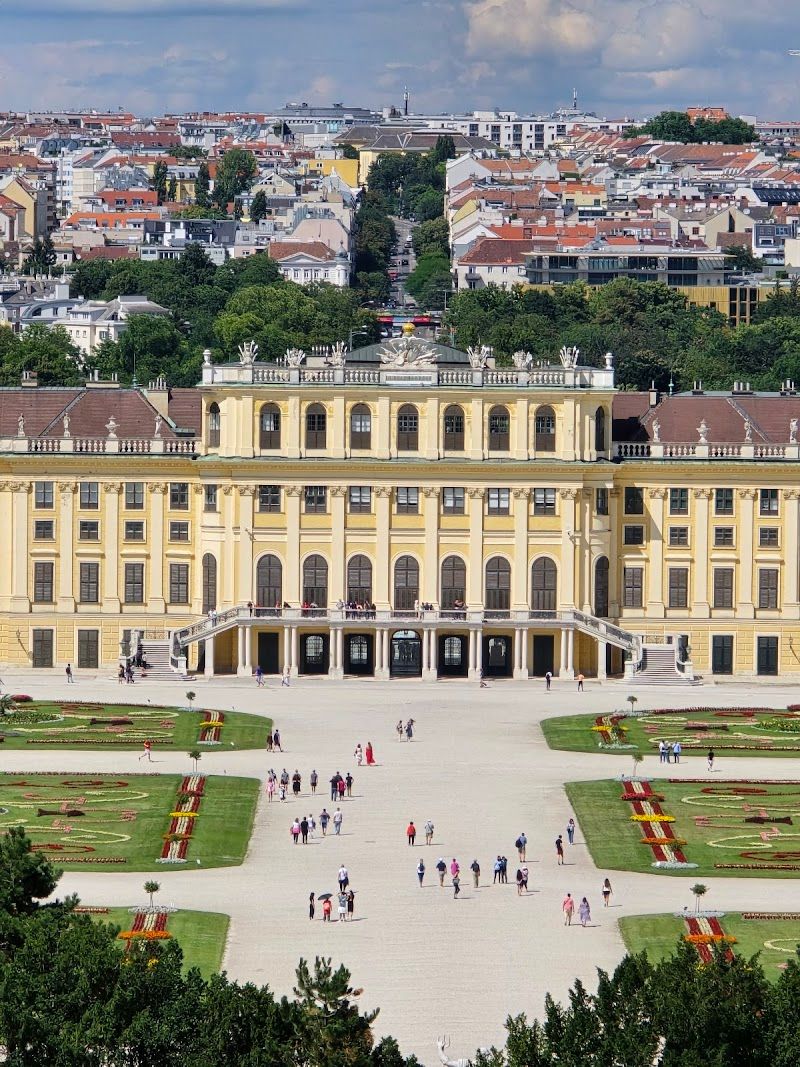
Best choice: Vienna - The city's extensive park system and outdoor café culture shine during warm months. Schönbrunn Palace gardens reach peak beauty, and the Vienna Festival runs through July.
Avoid: Prague - Tourist crowds peak during summer, making major attractions nearly unbearable. Hotel prices double, and the fairy-tale atmosphere gets lost in selfie sticks.
Winter (December-February)
Best choice: Budapest - Thermal baths become magical when surrounded by snow and freezing air. Christmas markets excel, and indoor cultural attractions face fewer crowds.
Consider: Vienna - Christmas markets along the Ringstrasse create imperial holiday atmosphere, and concert season peaks during winter months.
Spring/Fall (March-May, September-November)
All three cities work well - Moderate crowds, comfortable weather, and reasonable hotel prices. This represents the sweet spot for any Vienna Prague Budapest itinerary.
Making Your Final Decision
The vienna vs prague vs budapest question ultimately depends on what you value most in European travel:
Choose Vienna if you prefer cultural depth over Instagram moments, value refined experiences over bargain prices, and want to understand how European imperial culture evolved into modern sophistication. Vienna rewards travelers who appreciate subtle excellence and are willing to pay for it.
Choose Prague if you want European travel that looks exactly like your expectations, enjoy atmospheric medieval settings, and do not mind sharing spectacular sights with crowds. Prague delivers fairy-tale Europe without compromise.
Choose Budapest if you want unique experiences unavailable elsewhere in Europe, prefer exceptional value for money, and enjoy nightlife that extends well past midnight. Budapest offers the most distinctive culture of the three cities.
Visit all three if you have 2+ weeks and want to understand how different approaches to history, culture, and daily life developed within a few hundred kilometers of each other.
The best central european city is the one that matches your travel personality and priorities. Vienna, Prague, and Budapest each excel in different areas, and recognizing these differences ensures you will book the trip that actually satisfies your European travel dreams rather than someone else's recommendations.
For Vienna-specific planning, start with our First Time in Vienna guide to understand the city's neighborhoods and cultural rhythms before diving deeper into this remarkable imperial capital.