Lisbon in winter is not the postcard version of the city. The famous golden light still happens, but you might wait longer for it between the rain showers. The miradouros are emptier, the restaurants less frantic, and the prices noticeably lower. For many travelers, this is exactly what makes winter the best time to visit Portugal's capital.
From December through February, Lisbon transforms into a different city - one that belongs more to locals than tourists. The trams run with actual seats available, you can walk into restaurants without reservations, and the famous viewpoints become places for contemplation rather than selfie queues. But winter in Lisbon comes with trade-offs that you need to understand before booking.
Lisbon Weather in Winter: The Reality Check
Lisbon's winter weather sits in an unusual sweet spot for European capitals. Temperatures hover between 8°C and 15°C most days, which means you need layers rather than heavy coats. The Atlantic influence keeps things mild, but it also brings unpredictable rainfall that can turn a walking day into a museum day without warning.
December averages 11 rainy days, January gets 13, and February drops to 10. When locals say "it's raining," they usually mean intermittent showers rather than all-day downpours. The rain typically comes in bursts - 20 minutes of intensity followed by clear skies that make you question whether you imagined the whole thing.
The wind is the bigger issue. Atlantic gusts can make 12°C feel like 6°C, especially on the hilltops and near the Tagus. The Miradouro da Senhora do Monte becomes genuinely uncomfortable on windy January afternoons, while sheltered spots like the cloisters at Jerónimos Monastery feel perfectly pleasant.
Sunrise happens around 7:45 AM in December and January, with sunset by 5:30 PM. This compressed daylight means planning becomes crucial - you want to be at viewpoints during the limited golden hours, roughly 4:30-5:15 PM in December.
Crowd Levels: Lisbon Without the Queue
Winter crowds in Lisbon drop to roughly 30% of summer levels, according to local tourism data. This translates to immediate practical benefits that change how you experience the city.
Castelo de São Jorge becomes walkable rather than a shuffle through tour groups. The ramparts offer actual space to appreciate the views without elbowing past selfie sticks. Entry still costs EUR 10, but you might have entire sections to yourself on weekday mornings.
The famous Elevador de Santa Justa typically has no queue in winter, though the EUR 5.50 fee remains the same. More importantly, the top viewing platform becomes a place for actual sightseeing rather than a crowded photo opportunity.
Restaurant reservations become optional for most places. Even popular spots in Chiado & Bairro Alto typically have tables available, though weekend dinners still fill up at the better establishments.
The downside: some seasonal businesses reduce hours or close entirely. Several rooftop bars shut down, some tour operators limit schedules, and a few restaurants in tourist-heavy areas like Alfama take winter breaks.
Winter Activities: What Works and What Doesn't
Winter weather makes indoor activities more appealing, and Lisbon delivers excellent museum experiences when the rain hits. The Museu Calouste Gulbenkian becomes a perfect winter afternoon refuge, with its EUR 10 entry fee covering one of Europe's finest private art collections in a building designed for contemplation.
The National Tile Museum works particularly well in winter - the EUR 5 entry includes heated galleries where you can spend hours understanding Portuguese azulejo culture without weather concerns.
Walking tours continue year-round, but the experience changes significantly. The famous Alfama walking routes become more about finding sheltered spots and ducking into local tascas rather than extended outdoor exploration. Guides often adjust routes based on weather, focusing on covered markets and arcade-lined streets.
LX Factory excels in winter. The converted industrial space offers covered shopping, dining, and cultural activities regardless of weather. The Sunday market continues through winter, though with fewer stalls.
Beach activities obviously don't work. Day trips to Cascais become pointless unless you enjoy dramatic Atlantic storms. However, day trips to Sintra can be magical in winter - Pena Palace surrounded by mist and fewer crowds creates an atmospheric experience impossible in summer.
Lisbon in Winter with Kids: The Practical Reality
Traveling to Lisbon in winter with children requires different strategies than summer visits. The compressed daylight means planning activities around school-age attention spans becomes more critical.
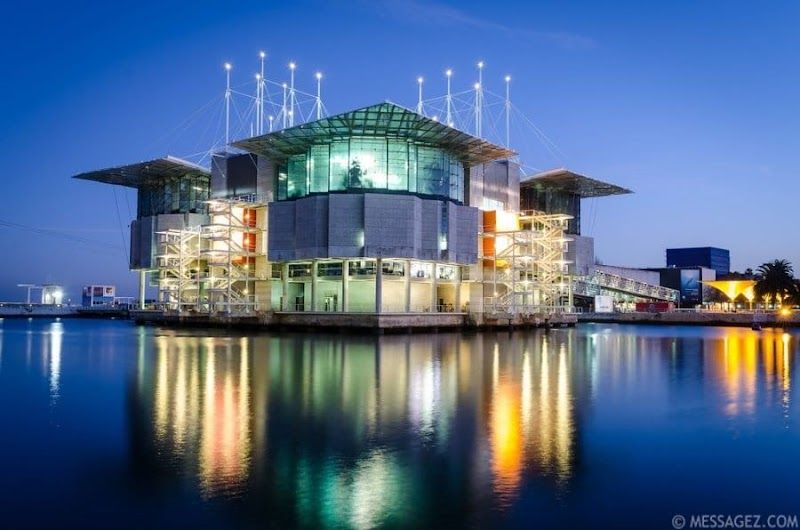
The Oceanário de Lisboa works perfectly for winter family visits. The indoor aquarium experience means weather becomes irrelevant, and winter crowds make the popular exhibits more accessible for small children.
Public transport becomes easier with kids in winter - trams and buses have available seats, and the famous Tram 28 route becomes rideable rather than a standing-room sardine experience. The EUR 1.50 per ride still applies, but you can actually board.
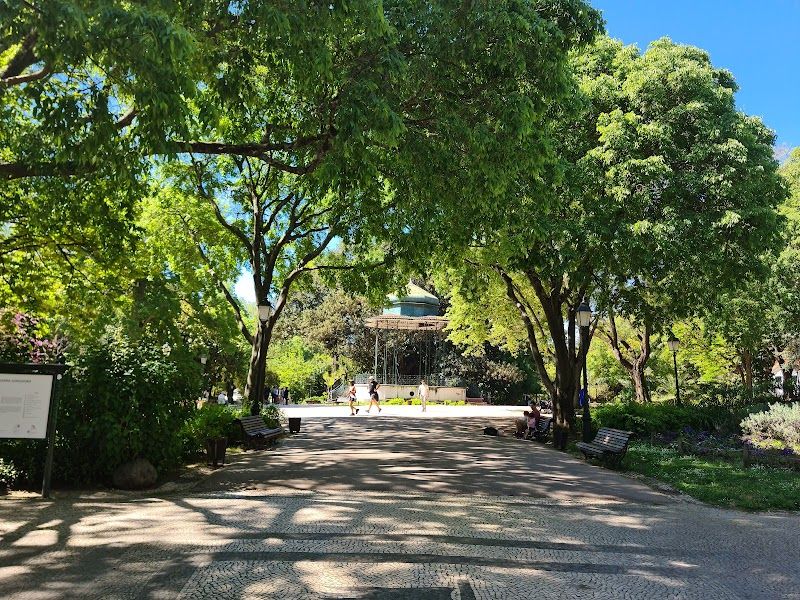
Park visits require flexibility. Jardim da Estrela can be wonderful on clear winter days, but rainy afternoons make outdoor play impossible. Having backup indoor activities becomes essential.
Restaurant dining improves dramatically with children in winter. Most establishments welcome families without the summer rush pressure, and high chairs become available rather than scarce resources.
Budget Considerations: Winter Savings
Winter brings significant cost reductions across accommodation and activities. Budget hotels average 40-60% lower rates than summer peaks, with double rooms at decent 2-3 star properties available for EUR 45-80 instead of EUR 90-160.
Mid-range hotels offer the best winter value, often pricing comparable to budget options during summer. Properties that charge EUR 200+ in July become accessible at EUR 90-120 in January and February.
Restaurant prices remain constant, but availability changes the dining experience. You can afford to be more spontaneous rather than booking expensive restaurants weeks ahead. The daily lunch menus at local tascas (EUR 8-15) become more accessible without reservations.
Flight costs from major European cities typically drop 30-50% compared to summer rates, though this varies significantly by departure city and specific dates.
Museum prices remain fixed year-round, but the Lisboa Card (EUR 22 for 24 hours) becomes better value when you can actually visit multiple attractions without queue delays.
Neighborhood Strategies for Winter Visits
Different Lisbon neighborhoods work better in winter weather, and understanding these differences helps with planning.
Baixa & Rossio excels in winter. The post-earthquake grid layout includes covered arcades and underground metro connections that make weather-independent movement possible. Rossio Square's covered sides provide shelter during rain showers.
Príncipe Real & Rato offers excellent indoor shopping and dining options. The neighborhood's boutiques and cafes provide natural rain refuges, and the central garden becomes atmospheric rather than crowded during winter months.
Alfama becomes challenging in winter rain. The steep, narrow streets turn slippery, and many of the outdoor viewpoints lose their appeal in harsh weather. However, the neighborhood's traditional tascas become perfect warming stops.
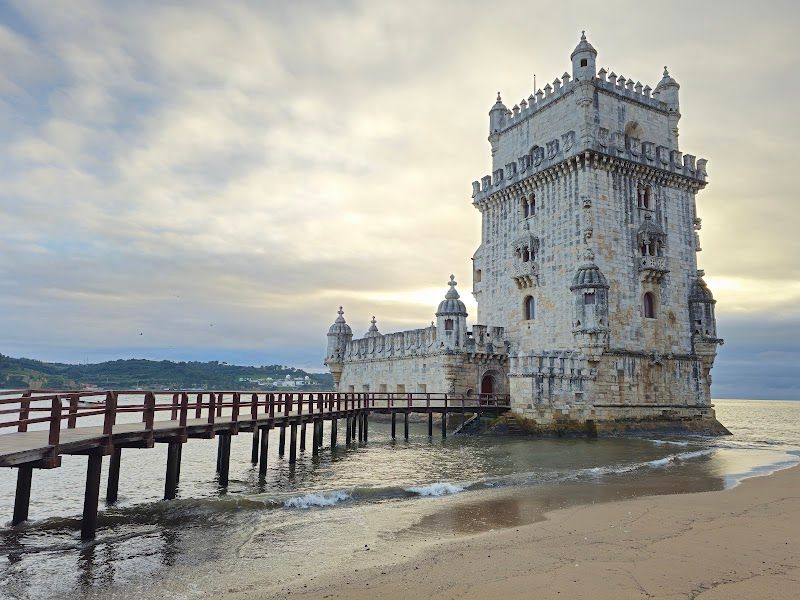
Belém works well for winter visits because major attractions like Jerónimos Monastery and the National Coach Museum offer substantial indoor exploration. The famous Pastéis de Belém becomes a necessary warming stop rather than just a tourist obligation.
What Winter Visitors Should Pack
Lisbon winter packing requires thinking in layers rather than heavy clothing. A waterproof jacket becomes essential - not for constant rain, but for sudden showers that arrive without warning.
Comfortable waterproof walking shoes matter more than winter boots. Lisbon's hills and cobblestone streets become treacherous when wet, and the walking never stops being a major part of the experience.
Umbrella strategy divides visitors. Compact umbrellas work for sudden showers, but Lisbon's Atlantic winds make them useless during storms. Many locals simply duck into cafes and wait out the heavy weather.
A portable phone charger becomes more important in winter because shorter daylight hours mean more reliance on navigation apps and translation tools in darker conditions.
The Verdict: Is Winter Worth It
Lisbon in winter rewards travelers who value authentic city experiences over perfect weather. The trade-off is real: you'll deal with unpredictable rain and shorter days, but you'll also experience a version of Lisbon that feels genuine rather than performed.
The city's famous light still happens in winter, but you have to work harder for it. When the sun breaks through Atlantic clouds around 4:30 PM and illuminates the Tagus from Miradouro da Graça, you might be one of only five people watching instead of fifty.
Restaurant meals become conversations with owners rather than rushed tourist transactions. Museum visits allow actual contemplation of art rather than fighting crowds for glimpses. The where to eat guide becomes more useful because reservations become possible.
Winter Lisbon works best for travelers who prioritize cultural immersion over weather guarantees. If your ideal trip involves guaranteed sunny terrace meals and reliable beach weather, wait for late spring. If you want to understand how Lisbon actually functions as a living city rather than a tourist destination, winter delivers that experience more authentically than any other season.
The 3-day itinerary requires modification for winter conditions, but the core experiences remain valid - you just need more flexibility and backup indoor options. The city doesn't close for winter; it simply becomes more selective about when it shows you its best angles.