The Alsace Wine Route in winter is completely different from its summer self. The tour buses disappear, the vineyard rows look like pencil sketches against white hillsides, and every village square smells like mulled wine and gingerbread. December through February transforms this 170-kilometer ribbon of wine villages into something that would make the Brothers Grimm weep with nostalgia.
Winter here is not a compromise season. It's when Alsace reveals its most authentic character, when the Christmas markets aren't tourist theater but actual community gatherings, and when wine cellars become refuges where vignerons have time to talk about their craft without rushing to the next tasting appointment.
The challenge is knowing how to navigate winter weather that can shift from crisp sunshine to snow squalls within the same afternoon, which villages prioritize winter visitors, and where to find the best wine experiences when half the region shuts down for the season.
Why the Alsace Wine Route Works Better in Winter
Most wine regions hibernate from November to March. Alsace doubles down. The Christmas market tradition that dates to the 16th century means villages like Kaysersberg and Eguisheim actually gear up for their busiest social season once the harvest ends.
The practical advantages stack up quickly. Accommodation prices drop 30-40% outside the Christmas market weeks (December 1-24). Wine producers have finished their harvest rush and can spend proper time with visitors. The famous half-timbered villages photograph better against snow than green summer foliage. Restaurant tables that require reservations in July are walk-in available in January.
Winter weather in Alsace is manageable, not harsh. The Vosges mountains shelter the wine villages from the worst Atlantic storms. Average temperatures hover around 2-7°C, with occasional snow that rarely sticks for more than a few days. The bigger concern is frequent drizzle that can make vineyard walks muddy, but wine cellars and winstubs provide ready shelter.
The wine itself changes character in winter tastings. Rieslings taste crisper, Gewürztraminers show more spice complexity, and the heavier reds like Pinot Noir make more sense when you're coming in from December cold. Cellar doors that rush summer visitors through five-wine flights will pour longer sessions in January.
Alsace Winter Weather and What to Expect
Alsace winter weather follows predictable patterns that help you plan better. December through February averages 2-7°C with frequent but light precipitation. Snow falls 15-20 days per winter but rarely accumulates more than 10cm in the wine valleys. The Vosges mountains get proper snow, but the Route des Vins runs along the protected Rhine plain.
January and February are the driest winter months with more clear, cold days. March brings spring rain that can make vineyard hiking muddy. December has the most variable weather, swinging between 10°C sunny afternoons and -2°C overnight frosts.
The practical impact on wine route touring is minimal. Village streets remain walkable through winter - Riquewihr's main street and Eguisheim's circular medieval walk are both stone-paved and cleared quickly after snow. Driving between villages requires winter tires (mandatory in France from November to March in mountain departments) but main roads stay clear.
Wine cellars maintain constant 12-15°C temperatures year-round, making cellar tours actually more comfortable in winter than summer. Most tasting rooms have heating and become cozy refuges when weather turns.
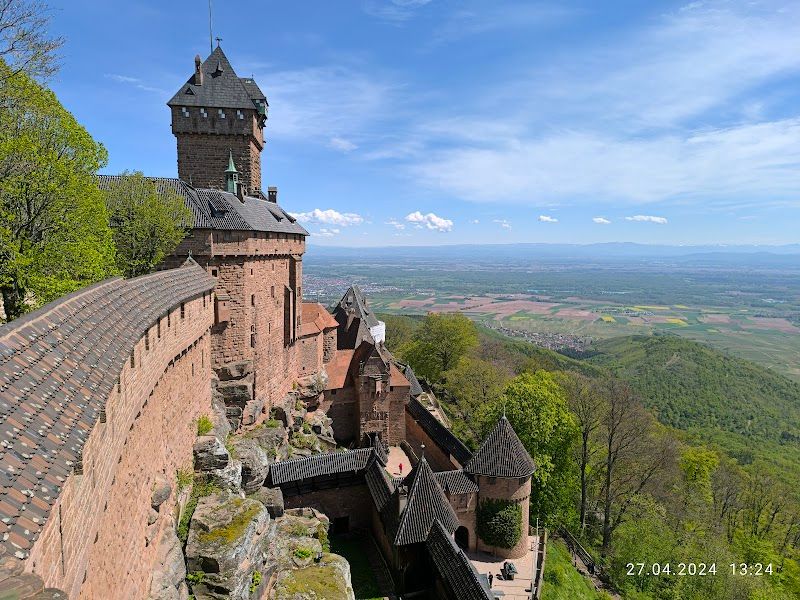
The Château du Haut-Koenigsbourg closes certain outdoor sections during heavy snow but remains open through winter with reduced hours (10h-17h instead of 9h-18h). The castle surrounded by snow-covered Vosges peaks creates the region's most dramatic winter views.
Christmas Markets: Which Villages Do It Right
Not all Alsace Christmas markets are created equal. Strasbourg gets the headlines and the crowds. The wine villages offer smaller, more authentic markets that feel like community events rather than tourist productions.
Kaysersberg runs the best Christmas market on the wine route. The village Albert Schweitzer called home transforms its central square into a proper German-style Christkindlmärkte with 40 wooden chalets selling local pottery, honey, and bredele cookies. The Circuit des Marchés de Noël d'Alsace officially starts here. Market dates run December 1-24, Friday through Sunday only, 10h-19h.
Kaysersberg's market succeeds because it feels organic. Half the vendors are local artisans from the valley, not imported Christmas decoration merchants. The mulled wine comes from actual Kaysersberg wine producers. Children from the village school perform carols in the church adjacent to the market square. Winstub du Château stays open extended hours during market weekends.
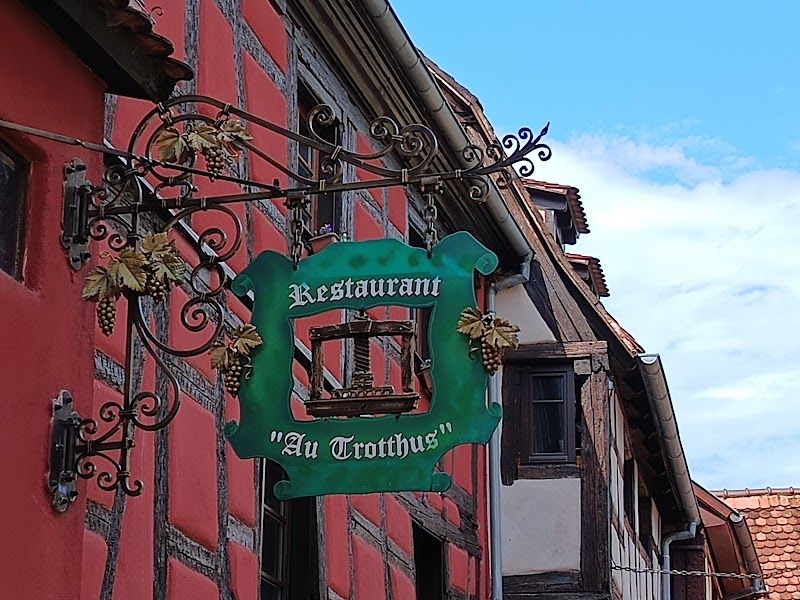
Riquewihr Christmas market runs daily December 1-January 2 along the Rue du Général de Gaulle. More commercial than Kaysersberg but still atmospheric, with 30 chalets selling Alsace wine, foie gras, and Christmas ornaments. The advantage is reliability - open every day, longer season, more dining options nearby including Au Trotthus.
The smaller villages offer weekend-only markets that can be hit-or-miss. Eguisheim decorates its circular streets beautifully but only hosts a Christmas market the first two weekends of December. Ribeauvillé and Bergheim run modest markets but without the critical mass to create atmosphere.
Practical Christmas market logistics matter. Parking becomes difficult during market weekends - arrive before 10h or after 16h. Strasbourg Christmas Market entry is free but hot mulled wine costs EUR 4-6 and you'll want the souvenir mug. Most markets accept cards but bring cash for smaller vendors.
Winter Wine Tastings: Where to Go When It's Cold
Winter wine tastings in Alsace require different strategies than summer cellar hopping. Many family domains reduce their hours or close entirely January-March. The producers who stay open offer more personal attention and longer tastings.
Cooperative cellars become winter heroes. Cave d'Eguisheim and Cave de Turckheim maintain full winter hours (9h-18h) and heated tasting rooms. Wine tasting at a small domain entry-level costs EUR 8-18 but cooperative tastings start at EUR 10 and require no appointment.
Domaine Emile Beyer in Eguisheim exemplifies winter wine tourism done right. The 16th-century cellar stays open through February with Saturday afternoon tastings that can stretch two hours when business is slow. The underground cellars maintain perfect temperature, and the Beyer family uses winter months for vertical tastings comparing the same wine across multiple vintages.
Larger domains like Hugel in Riquewihr and Trimbach in Ribeauvillé maintain professional winter programs. Wine tasting + cellar tour at a top domain costs EUR 18-35 and includes Grand Cru pours that summer visitors rarely see. Book ahead - winter staff reductions mean limited appointments.
The Caveau Heuhaus in Eguisheim becomes a winter wine bar rather than just a tasting room. Open Thursday-Saturday through winter, they serve wine by the glass alongside tartes flambées and local charcuterie. It bridges the gap between formal wine tasting and casual drinking.
Best Wine Villages for Winter Activities
Not every wine route village works in winter. Some close most services and feel abandoned. Others embrace the season and create reasons to visit beyond just wine.
Kaysersberg tops the winter village rankings. Beyond the Christmas market, the village offers year-round attractions that work better in winter. The Albert Schweitzer Museum provides indoor cultural activity. Kaysersberg Castle ruins offer snow-covered valley views. Multiple winstubs stay open through winter, including Winstub du Chambellan.
The village also maintains the best winter bakery scene. Boulangerie-Pâtisserie Gilg produces kougelhopf, bredele cookies, and pain d'épices (spice bread) through the cold months. Winter comfort food at its most refined.
Eguisheim works as a winter day trip from Colmar. The circular medieval village takes 90 minutes to walk completely, which works perfectly when daylight ends at 17h. Auberge du Rempart serves winter comfort food including wild boar with spaetzle. The village photogenic in snow, and the circular street plan provides natural wind protection.
Riquewihr remains the most reliable winter choice precisely because it's the most touristy. Services stay open, restaurants maintain full menus, and the Dolder watchtower provides indoor historical exhibits when weather turns harsh.
Obernai deserves winter consideration for its substantial size and year-round services. The large market square hosts winter events, La Halle aux Bles serves proper Alsatian food through February, and Obernai Market Square and ramparts provide sheltered walking when countryside feels too exposed.
Winter Driving and Getting Around
Winter transportation on the Alsace Wine Route requires more planning than summer touring but remains straightforward with proper preparation.
Car rental becomes essential in winter because train connections to wine villages reduce or disappear entirely. Car rental - economy costs EUR 45-75 per day and winter rates actually drop compared to summer peak. Pick up in Strasbourg, Colmar, or Mulhouse rather than airports for better rates.
Winter tire requirements apply November-March in Alsace mountain areas. Most rental cars come equipped, but confirm when booking. Snow chains remain rare except for Vosges mountain roads leading to ski areas.
The practical driving impact is minimal on main wine route roads. D35 and D1083 stay clear through winter, and village-to-village distances average 10-15 minutes even in snow. Public parking in wine villages costs EUR 4-8 and free parking increases in winter when tourist pressure reduces.
Train connections work for base transportation. TER Alsace train Strasbourg to Colmar costs EUR 7-13 advance and runs hourly through winter. From Colmar, taxi services reach Eguisheim (EUR 15-20) and other villages, though this gets expensive for multiple villages.
Alsa Plus 24h Solo day pass costs EUR 19-23 and covers unlimited TER trains plus regional buses. Winter bus schedules reduce significantly, but the train connections remain reliable.
Bike rental essentially disappears in winter. Bike rental normally costs EUR 18-30 per day, but most shops close November-March except in Colmar and Strasbourg.
Where to Eat: Winter Comfort Food and Warm Winstubs
Winter dining on the Alsace wine route shifts from outdoor terraces to cozy winstubs and restaurant interior spaces designed for cold-weather comfort.
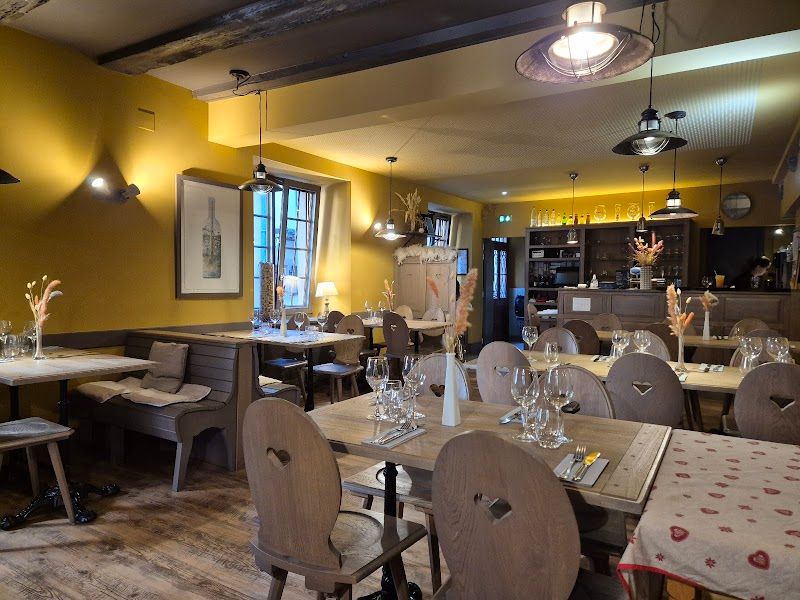
Winstubs become the dining priority in winter. These wood-paneled, checked-tablecloth establishments serve the heaviest Alsatian dishes that make sense when temperatures drop. Winstub dinner mid-range costs EUR 28-45 per person and includes soup, main, dessert, and wine.
The signature winter dishes work perfectly for wine route touring. Choucroute garnie costs EUR 16-25 and provides enough calories for a cold afternoon of village walking. Coq au Riesling at EUR 18-26 uses local white wine and pairs naturally with continued wine tasting.
Winstub du Château in Kaysersberg exemplifies winter winstub dining. The restaurant occupies a 16th-century building with functioning fireplace and serves game dishes (venison, wild boar) available only in winter months. Reservations become advisable Friday-Saturday even in low season.
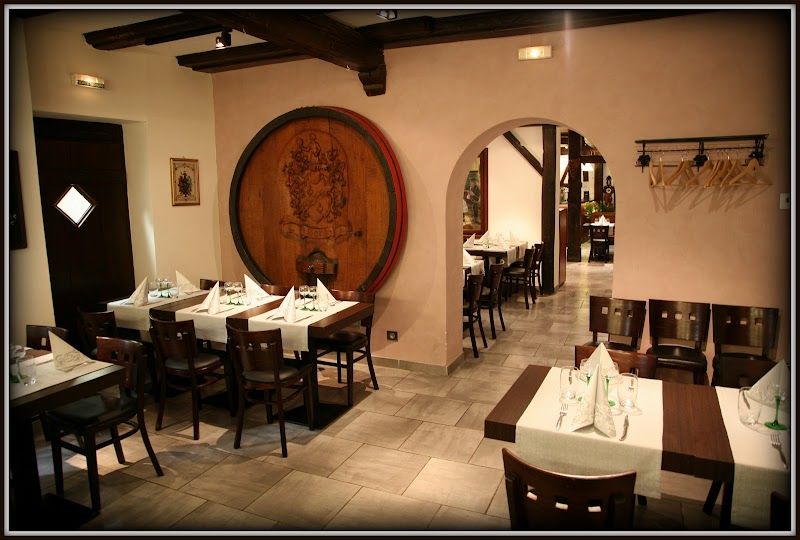
Au Trotthus in Riquewihr maintains year-round service with expanded wine selection in winter when storage space increases. The restaurant sources ingredients locally and adjusts menus seasonally - winter means more preserved meats, root vegetables, and cream sauces.
For lighter options, tarte flambée costs EUR 8-13 and works as shared starter or light lunch. Most winstubs serve it year-round, and the thin-crust pizza format works better in heated indoor spaces than summer terraces.
Winter Accommodation Strategy
Winter accommodation on the Alsace Wine Route offers the best value of the year outside Christmas market weeks, but requires different strategies than summer booking.
Avoid December 1-24 unless Christmas markets are your primary goal. Boutique hotels inside village walls cost EUR 200-380 per night during Christmas market season, compared to EUR 140-280 in January-February. Mid-range hotels cost EUR 130-220 in Christmas weeks versus EUR 90-160 in winter low season.
Wine village B&Bs at EUR 90-150 per night become the winter sweet spot for authentic experience and value. Family-run establishments in Eguisheim, Hunawihr, and Bergheim offer heated rooms, continental breakfast, and insider wine recommendations.
Location matters more in winter when walking distances feel longer in cold weather. Staying inside village walls eliminates parking hassles and provides immediate access to restaurants when weather deteriorates. Outside-the-walls locations require short drives to dinner options.
Colmar makes sense as a winter base for wine route day trips. The city maintains full restaurant and entertainment options through winter, TER train connections to Strasbourg, and serves as backup when village dining options prove limited.
Day Trip Itineraries for Winter Wine Route Touring
Single-Day Winter Route (December-February): Start in Colmar for reliable morning coffee and parking. Drive to Eguisheim by 10h for circular village walk before tour groups arrive. Wine tasting at Cave d'Eguisheim (no appointment needed). Lunch at Auberge du Rempart. Afternoon in Riquewihr for main street shopping and Hugel wine tasting (book ahead). Return to Colmar by 17h before full darkness.
Christmas Market Weekend (December only): Base in Kaysersberg Friday-Sunday. Saturday morning at Kaysersberg Christmas market. Afternoon drive to Riquewihr Christmas market. Sunday morning Château du Haut-Koenigsbourg if weather permits, afternoon wine tasting in Ribeauvillé.
Winter Northern Route (January-February): Start in Obernai for market square and substantial breakfast. Drive to Mont Sainte-Odile Monastery for valley views (free entry). Lunch at La Halle aux Bles. Afternoon wine tastings in Barr or Mittelbergheim. Return via Sélestat for train connections to Strasbourg.
Each itinerary assumes 8-9 hours of January daylight and accounts for reduced winter opening hours at most attractions. Build flexibility for weather delays and longer meal times at winstubs.
What to Pack for Winter Wine Route Touring
Winter packing for the Alsace Wine Route requires layers for temperature variation between heated wine cellars, cold village streets, and warm restaurant interiors.
Essential items: Waterproof jacket with hood (frequent drizzle), comfortable walking boots with grip (village cobblestones get slippery), warm layers you can remove in wine cellars, gloves for outdoor photography, small umbrella for sudden showers.
Wine-specific gear: Wine tote bag for cellar door purchases, digital camera for snow-covered vineyard shots, notebook for tasting notes (phones die quickly in cold), designated driver identification if touring with a group.
Winter village walking: Cobblestone streets in Eguisheim and Riquewihr become slippery when wet. Hiking boots work better than dress shoes. Village walks rarely exceed 2 kilometers but can feel longer in wind between buildings.
The complete first-time guide covers year-round essentials, while winter adds weather protection and reduces the need for sun protection and summer picnic supplies.
The Alsace Wine Route in winter rewards visitors who embrace the season rather than endure it. Come for Christmas market atmosphere, stay for wine cellars that provide perfect refuge from December cold, and leave with memories of half-timbered villages that look better in snow than any postcard suggested.