The Alsace Wine Route with kids sounds like a contradiction. Wine country equals adult time, right? Wrong. The 170-kilometer ribbon of vineyards between Marlenheim and Thann offers some of France's best family travel. These half-timbered villages look like they were built as movie sets, and kids respond to that fairy-tale quality immediately. The medieval town centers are car-free and safe for wandering. The castles are real, not theme park reconstructions. And yes, there's plenty for parents too.
The key is choosing your base villages wisely and mixing castle adventures with playground breaks. This isn't about dragging children through endless wine cellars - it's about creating a family trip that works for everyone.
Why the Alsace Wine Route Works for Families
Alsace with children succeeds because the villages are compact and walkable. Eguisheim's circular layout takes 20 minutes to navigate, and kids can run ahead on the pedestrian-only streets without parents panicking about traffic. Riquewihr's main street is a straight shot from one medieval gate to another - simple enough for tired legs.
The region's tourism infrastructure adapted early to families. Most villages have playgrounds within walking distance of the historic centers. The major castles offer family-specific programming, and the local TER train network connects the larger towns without requiring a rental car for every journey.
Pricing helps too. Village exploration costs nothing - you're walking medieval streets that charge no admission. Eguisheim's circular medieval walk is completely free, as is Riquewihr's ramparts walk. When paid attractions do appear, they're reasonable. EUR 12 gets your family into Haut-Koenigsbourg castle with advance booking (children 6-17 pay EUR 9).
Best Family Villages on the Alsace Wine Route
Eguisheim: The Perfect Family Base
Eguisheim wins for families because of its unique circular street plan. Kids love the treasure-hunt aspect of following the double ring of medieval houses back to the central square. The village is small enough that children can't get truly lost, but large enough to feel like an adventure.
The playground sits just outside the medieval walls on Rue du Rempart Sud, a two-minute walk from the village center. Modern equipment, fenced area, and benches for parents who need a coffee break. The timing works perfectly - explore the village first, then let kids burn energy while parents plan the next stop.
Lunch options cater to families. Auberge du Rempart has a children's menu and outdoor seating that overlooks the village walls. The kitchen will modify their tarte flambée to exclude onions or lardons for fussy eaters. Expect to pay EUR 28-45 per adult for a full meal; kids' portions run about half that.
The village's wine cooperative offers juice tastings for children while parents sample Riesling. Cave d'Eguisheim stocks local grape juice in wine-style bottles - kids feel included without the alcohol. The experience costs EUR 10 per adult with no charge for under-12s.
Riquewihr: Tourist Central but Worth It
Riquewihr gets crowded, but families actually benefit from the tourist infrastructure. The main street is completely pedestrian and lined with ice cream shops, pretzel stands, and souvenir stores that keep kids engaged between the serious sightseeing.
Start early - arrive by 9 AM before the tour buses. The Dolder watchtower at the village's upper end offers views across the Vosges mountains. Climbing the narrow stone steps feels like a proper castle adventure, and the 10-minute ascent is manageable for ages 6 and up.
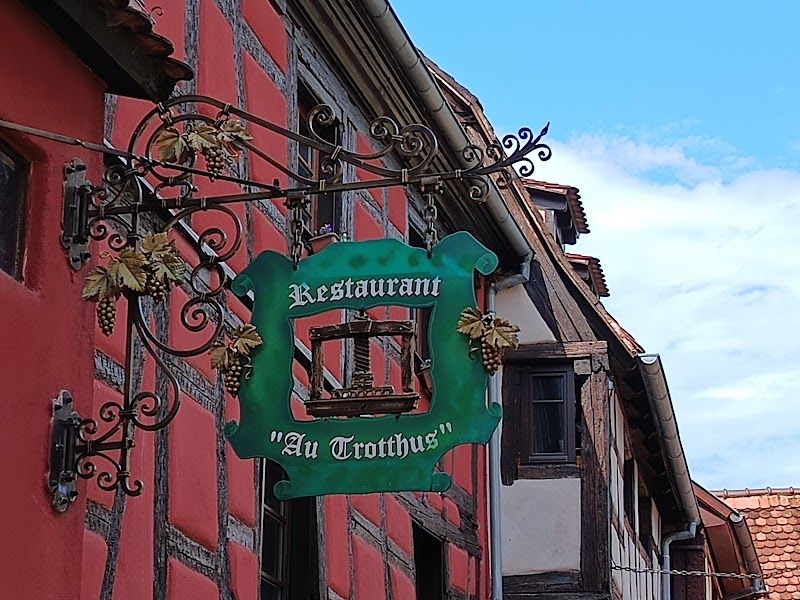
Kid-friendly dining is everywhere. Au Trotthus serves simplified versions of Alsatian classics - their "junior choucroute" removes the stronger sausages and reduces portion sizes. Restaurant Au Riesling has high chairs and will prepare plain noodles or chicken if the regional menu doesn't appeal.
The nearest playground is a 10-minute walk outside the village walls at Parc des Cigognes. It's worth the detour - the equipment is newer than most village playgrounds, and there's a small lake for throwing stones.
Kaysersberg: Culture with Playground Access
Kaysersberg offers the best balance of culture and family amenities. The Albert Schweitzer museum might seem adult-focused, but the interactive displays work for older children (ages 8 and up). The museum staff speak English and can provide child-friendly explanations of Schweitzer's work in Africa.
The castle ruins above town provide the adventure element. Kaysersberg Castle ruins require a 15-minute uphill walk, but the views and exploration opportunities reward the effort. Bring water - there are no facilities at the top.
For food, Winstub du Chateau understands families. Their children's menu includes Alsatian specialties adapted for young palates - mild sausage instead of the traditional strong varieties, for example. The restaurant provides coloring sheets and crayons without being asked.
Castle Adventures for Kids
Alsace's castles deliver the fairy-tale experience kids expect from medieval Europe. These aren't polite museum pieces - they're fortress ruins built for defense, with real siege engines and genuine historical drama.
Haut-Koenigsbourg: The Must-See Castle
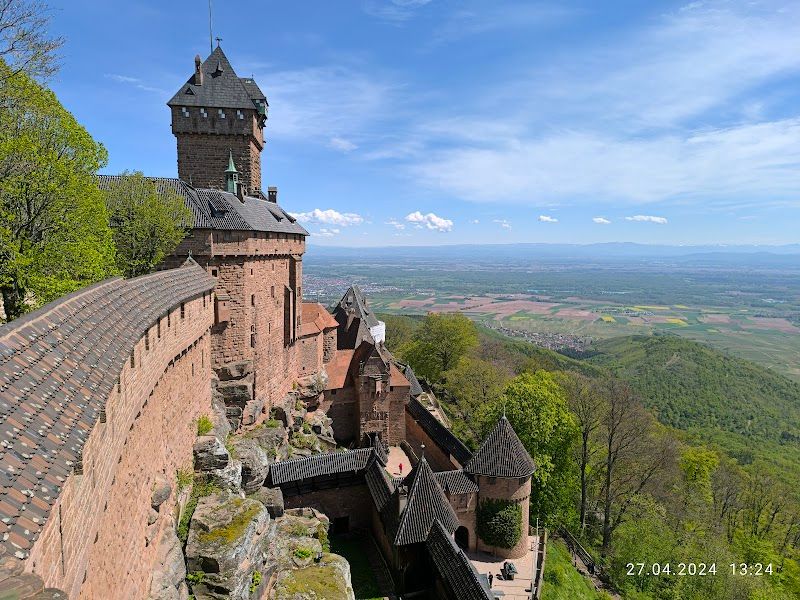
Haut-Koenigsbourg castle dominates the wine route from its 800-meter perch above Sélestat. This is a full-scale medieval fortress, not a romantic palace. Kids respond to the authentic military architecture - murder holes, arrow slits, and massive stone walls built to withstand real sieges.
The family programming runs year-round. Weekend workshops teach medieval crafts like illuminated manuscript creation and armor decoration. During school holidays, the castle hosts "Knights and Princesses" days with costume rentals and treasure hunts. Check the official website before visiting - these special programs book quickly.
Getting there without a car requires planning. Take the TER train from Strasbourg to Sélestat (EUR 7.5-12, 20 minutes), then catch the seasonal shuttle bus to the castle (runs April-October). The bus costs EUR 5 return and saves a steep uphill walk. Families with young children should definitely use the shuttle.
The castle visit takes 2-3 hours minimum. Audio guides cost EUR 5 and include special children's content - medieval legends and castle-building techniques explained for ages 6-12. The cafe serves simple lunches, but bringing a picnic is allowed and often preferred by families.
Les Trois Châteaux de Ribeauvillé: Adventure Hiking
For families with older children (ages 8 and up), Les Trois Châteaux de Ribeauvillé offer a proper hiking adventure. Three separate castle ruins crown the hills above Ribeauvillé village, connected by well-marked forest trails.
The easiest ruin is Château Saint-Ulrich, a 45-minute uphill walk from Ribeauvillé's Grand'Rue. The trail is wide and well-maintained, suitable for determined 6-year-olds with frequent breaks. Pack water and snacks - this isn't a casual stroll.
The ruins reward exploration. Unlike Haut-Koenigsbourg's restoration, these castles remain authentically ruined. Kids can scramble over fallen walls and imagine medieval life without safety barriers or guided tours. The views across the wine route valleys are spectacular.
Family Activities Beyond Villages and Castles
NaturOparc Stork Sanctuary: Animal Encounters
The NaturOparc in Hunawihr bridges wildlife education with entertainment. This isn't a zoo - it's a breeding center for endangered European species, including Alsace's symbolic white storks. Admission costs EUR 12-13 for adults, EUR 8-9 for children 5-14.
The feeding demonstrations happen at 11 AM and 3 PM daily. Kids watch storks, otters, and European beavers during their most active periods. The guides explain conservation efforts in simple terms that work for ages 4 and up.
Plan 2-3 hours minimum. The park includes walking trails through recreated wetland habitats. Strollers handle the main paths, but some elevated viewing platforms require stairs. The gift shop stocks high-quality stuffed animals and educational books about Alsace wildlife.
Mont Sainte-Odile: Hiking with Historical Context
Mont Sainte-Odile monastery combines spiritual history with family-friendly hiking. The site itself is free - you're visiting an active convent with 1,300 years of history. The viewing terrace offers panoramic views across the Rhine plain to the Black Forest.
The Pagan Wall hike (Mur Païen) works for families with children aged 8 and up. This mysterious pre-Roman wall runs for 10 kilometers through the Vosges forest. The 7-kilometer family loop takes 2-3 hours with breaks and includes interpretive panels explaining the wall's unknown builders.
Bring proper hiking shoes and water. The trails are forest paths, not paved walkways. The monastery's cafe serves simple meals, but selections are limited. Most families pack lunches for the hike.
Cycling the Wine Route: E-Bikes Make It Possible
E-bike rentals cost EUR 18-30 per day and transform the wine route for families. Traditional cycling with kids means constant uphill battles, but electric assistance handles Alsace's gentle but persistent slopes.
Colmar à Vélo and Movélo Alsace rent family equipment including child seats, trailers, and teen-sized e-bikes. Book in advance during summer - demand outstrips supply for quality family bikes.
The best family cycling connects Eguisheim to Turckheim (8 kilometers, mostly flat) or follows the vineyard paths between Riquewihr and Hunawihr (5 kilometers, gentle climbs). These routes use dedicated cycling paths or quiet country roads with minimal car traffic.
Where to Eat with Kids on the Alsace Wine Route
Alsatian cuisine seems meat-heavy and challenging for children, but most restaurants adapt their specialties for young diners. The key is choosing establishments that understand family needs rather than hoping for the best.
Kid-Friendly Restaurant Strategies
Winstubs work better than fine dining restaurants for families. These traditional taverns expect noise and longer meals. Winstub du Chambellan in Kaysersberg provides coloring sheets, high chairs, and patience with indecisive young diners.
Tarte flambée serves as Alsace's pizza equivalent. Most kids accept the thin-crust flatbread topped with cream, onions, and bacon. Ask for "nature" (plain cream base) or "forestière" (adding mushrooms) if bacon seems too adventurous. A large tarte flambée costs EUR 8-13 and easily feeds two children.
Choucroute garnie intimidates kids, but restaurants will serve just the sausage and potatoes, skipping the sauerkraut entirely. The mild white sausage (boudin blanc) appeals to children more than the smoked varieties. Expect to pay EUR 16-25 for the full platter; child portions cost about EUR 12.
Specific Family Restaurant Recommendations
La Halle aux Blés in Obernai offers the most comprehensive children's menu on the northern wine route. Their "menu enfant" includes simplified Alsatian dishes plus standard options like chicken nuggets and pasta. The restaurant occupies a converted medieval grain market with high ceilings that absorb noise from excited children.
For bakery breaks, Boulangerie-Patisserie Gilg in Eguisheim bakes exceptional kougelhopf (the region's signature cake) and provides child-friendly pastries. A slice of kougelhopf costs EUR 3.50-5, and kids enjoy the unique ring shape and sweet almond flavor.
Practical Planning for Alsace with Children
Transportation Decisions
The biggest family decision is car versus train travel. Renting a car costs EUR 45-75 per day for an economy model, but provides total flexibility for nap schedules, playground stops, and carrying children's equipment.
Train travel works for organized families willing to stick to larger towns. The TER Alsace network connects Strasbourg to Colmar (EUR 7-13 advance booking, 30 minutes) and Sélestat (EUR 7.5-12, 20 minutes). The Alsa Plus 24h Solo pass at EUR 19-23 covers unlimited regional transport for families making multiple connections.
Smaller villages like Eguisheim, Riquewihr, and Hunawihr require bus connections from the nearest train stations. These buses run infrequently and don't accommodate stroller storage well. Families with children under 5 should rent a car - the flexibility justifies the expense.
Accommodation Strategies
Wine village B&B stays cost EUR 90-150 per night and often include breakfast. Family-run properties in Eguisheim, Hunawihr, and Bergheim provide local knowledge and flexibility with meal times. Many offer simple dinner options, eliminating the need to find restaurants every evening.
Mid-range hotels (EUR 130-220 per night) in Riquewihr or Colmar provide more services but less personal attention. Hotel L'Oriel and Auberge du Schoenenbourg offer connecting rooms for families and can arrange cribs or high chairs with advance notice.
Avoid booking during Christmas Market season (December 1-24) unless Christmas markets are specifically your goal. Prices double, crowds triple, and child-friendly activities get overwhelmed by adult-focused festivities.
Timing Your Family Trip
May, June, and September offer the best weather without peak crowds. Playgrounds aren't packed, restaurant service is attentive, and accommodation prices remain reasonable. The grape vines are leafy but not yet harvested, providing the classic wine country scenery.
October brings harvest season - exciting for families to witness but challenging for young children. Wineries prioritize harvest work over tourism, and roads become congested with tractors and grape-hauling trucks.
July and August see the heaviest crowds and highest prices. If you're restricted to summer travel, book accommodations well in advance and plan early morning starts to beat tour group arrivals.
The Alsace Wine Route succeeds with kids because it offers genuine experiences rather than manufactured family entertainment. Children respond to real castles, authentic medieval villages, and forest adventures. Parents appreciate the infrastructure, reasonable prices, and cultural depth. Plan for flexibility, pack patience, and prepare for a family trip that works on multiple levels.
For more detailed itinerary planning, check our 1-2 days on the Alsace Wine Route guide and first-time visitor information. Both guides include family-specific timing recommendations and additional restaurant suggestions.