Vienna food to try goes far beyond the tourist-trap schnitzel houses on Graben. The Austrian capital has spent centuries perfecting dishes that reflect its imperial past and cosmopolitan present, from the sachertorte that sparked international lawsuits to the simple würstel that fuels late-night revelry. This is your guide to the 25 foods that actually matter in Vienna, with exact locations, honest verdicts, and the prices locals pay.
Essential Vienna Must Eat Dishes: The Big Five
Wiener Schnitzel
The real Wiener Schnitzel is made with veal, pounded paper-thin, breaded, and fried until golden. Figlmüller on Wollzeile claims to serve Vienna's largest schnitzel (EUR 24.90), and they are not lying. The cutlet hangs over the plate edges like edible curtains. However, the quality suffers from the size obsession. For better schnitzel, head to Gasthaus Pöschl (Währinger Strasse 17, EUR 18.50) where the veal is tender and the breading stays crispy.
Schnitzel Wiener Art (Viennese style) uses pork instead of veal and costs EUR 3-5 less. Many restaurants serve this version without clearly stating the difference. Ask specifically for "Wiener Schnitzel vom Kalb" if you want real veal.
Tafelspitz
This boiled beef dish was Emperor Franz Joseph's favorite meal, eaten almost daily for decades. The beef (usually from the rump) is simmered with vegetables and served with horseradish, apple sauce, and roasted potatoes. Plachutta on Wollzeile (EUR 28.90) has built its reputation on this single dish, using 12 different cuts of beef and serving the cooking broth as soup first.
The dish divides opinions sharply. Austrians consider it comfort food perfection. Many international visitors find it bland. The quality depends entirely on the beef source and cooking technique, making restaurant choice crucial.
Sachertorte
The original Sachertorte comes from Demel on Kohlmarkt (EUR 7.50 per slice), though Hotel Sacher claims they own the authentic recipe. Both versions feature chocolate cake with apricot jam and dark chocolate glaze. Demel's version has jam between the cake layers; Sacher's puts it only on top. Side-by-side tastings reveal Demel's cake is moister, while Sacher's chocolate coating is thicker.
Tourist shops sell packaged "Original Sacher Torte" for EUR 45-65. These mass-produced versions taste nothing like the fresh cakes from either source.
Apfelstrudel
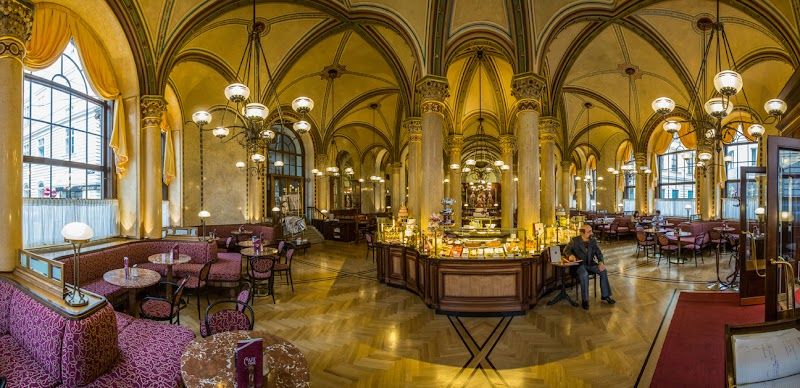
Authentic apfelstrudel uses phyllo-thin pastry stretched by hand until you can read newspaper through it. The filling combines tart apples (usually Boskop), breadcrumbs, raisins, and cinnamon. Café Central serves excellent strudel (EUR 6.50) with vanilla sauce, though their main attraction remains the historic atmosphere where Trotsky and Freud once sat.
For the city's best strudel, visit Café Landtmann (Universitätsring 4, EUR 5.80). Their pastry chef makes the dough fresh every morning, and the apple filling strikes the perfect sweet-tart balance.
Goulash
Vienna's goulash differs from Hungarian versions by using more liquid and serving it as soup rather than stew. Traditional Wiener Gulasch contains beef, onions, paprika, and caraway seeds, served with bread or dumplings. Gasthaus Wratschko (Taborstrasse 8, EUR 12.50) serves the most authentic version, slow-cooked for four hours until the beef falls apart.
Many restaurants serve "goulash" that tastes like generic tomato beef stew. Real gulasch should be deep red from paprika, not tomatoes, and the onions should be cooked until they nearly dissolve.
Traditional Vienna Food From the Streets
Würstel (Sausages)
Vienna's würstelstände (sausage stands) operate 24/7, feeding everyone from opera-goers in evening wear to construction workers at dawn. Bitzinger am Albertinaplatz sits behind the opera house and serves politicians, tourists, and taxi drivers the same sausages (EUR 3.50-4.50). The Käsekrainer (cheese sausage) splits open when grilled, spilling molten cheese that burns your tongue if you are impatient.
Bratwurst costs EUR 3.50, served with mustard and a hard roll. Debreziner (spicy Hungarian-style sausage) runs EUR 4. The stands also sell beer (EUR 3-4) and schnapps (EUR 2.50) because Viennese logic dictates that sausage requires alcohol.
Leberkäse
Despite its name (liver cheese), leberkäse contains neither liver nor cheese. This pink meat loaf is made from beef, pork, and spices, baked until the outside forms a crust. Served hot on a roll with mustard, it costs EUR 3-4 at bakeries and butcher shops throughout the city.
The best leberkäse comes from Bäckerei Grimm (multiple locations), where they bake fresh batches every two hours. The texture should be fine and smooth, not grainy like cheap versions.
Bosna
This Balkan-influenced sausage sandwich layers bratwurst, onions, and a spicy curry-paprika powder blend in a white roll. Despite the name suggesting Bosnian origins, Bosna was invented in Salzburg in the 1950s. In Vienna, find it at würstelstände for EUR 4-4.50.
The curry powder mixture separates good bosna from mediocre versions. The spice blend should be complex and aromatic, not just hot.
Vienna Local Cuisine: Coffeehouse Culture
Melange
Vienna's answer to cappuccino, melange combines espresso with steamed milk and foam. The proportion should be one-third espresso, two-thirds milk. Every coffeehouse serves melange (EUR 4.50-6), and every Viennese has opinions about who makes it best. Café Hawelka on Dorotheergasse serves a particularly strong version that locals swear by.
Order melange, not cappuccino. Using Italian coffee terminology in Vienna marks you as a tourist.
Einspänner
This coffee drink serves black coffee in a glass topped with whipped cream. Named after the one-horse carriages whose drivers could hold the glass handle while controlling reins, einspänner costs EUR 5-6.50 at traditional coffeehouses. The whipped cream should be real, not from a spray can, and thick enough to support a sugar cube.
Café Sacher (Philharmoniker Strasse 4) serves excellent einspänner alongside their famous torte.
Buchteln
These sweet yeast dumplings are baked together in a pan, creating soft, pull-apart rolls filled with plum jam, poppy seeds, or sweetened curd cheese. Served warm with vanilla sauce, buchteln costs EUR 6-8 at coffeehouses. Traditional preparation requires the dumplings to be touching while baking, so they steam rather than brown on the sides.
Zur Eisernen Zeit (Brandstätte 4) serves buchteln exactly as grandmother made them, with homemade plum jam and real vanilla sauce.
Kaiserschmarrn
This shredded pancake was supposedly Emperor Franz Joseph's favorite dessert. The batter is cooked in a pan, torn into pieces, and caramelized with sugar and raisins. Served with plum compote, it costs EUR 8-12 depending on the restaurant. Good kaiserschmarrn should have crispy edges and a fluffy interior.
Restaurant Silvio Nickol (Palais Coburg, EUR 16) elevates this peasant dish to fine dining status, though purists prefer the rustic version at Gasthaus Kopp (Gumpendorfer Strasse 137, EUR 9.50).
Vienna Specialty Foods: Market Finds
Naschmarkt Discoveries
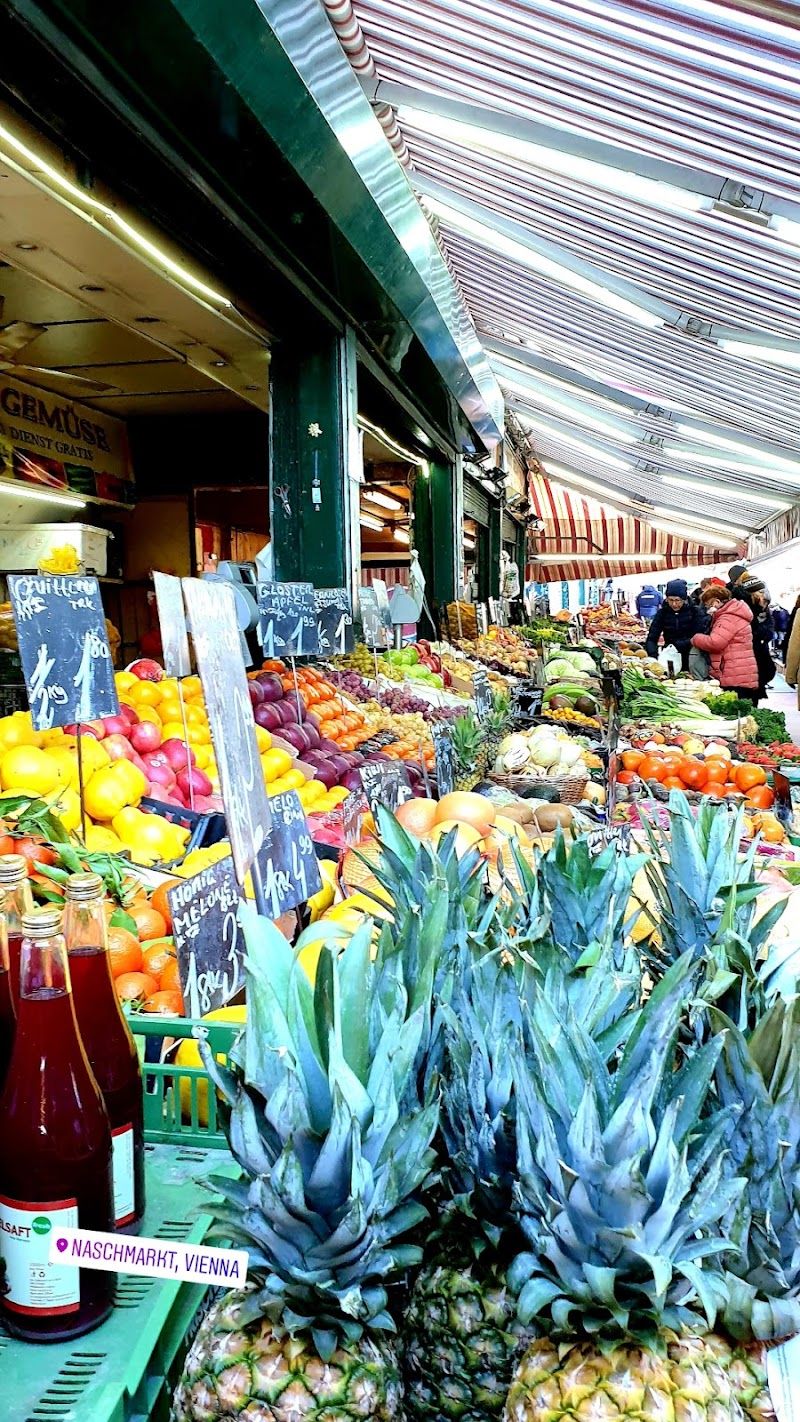
Naschmarkt stretches 1.6 kilometers along Wienzeile and offers Vienna's best food shopping. Beyond the tourist-focused restaurants, seek out specific stalls for authentic products:
Ölmühle Fandler (Stall 58-59) sells cold-pressed Austrian oils, including pumpkin seed oil from Styria (EUR 18 for 250ml). This dark green oil tastes nutty and pairs perfectly with vanilla ice cream, though that combination sounds wrong to everyone except Austrians.
Lingenhel (multiple stalls) specializes in Austrian cheeses, including Vorarlberg mountain cheese (EUR 28 per kg) and Salzburg sheep cheese (EUR 32 per kg). Ask for samples before buying.
Bio-Markt stalls sell organic produce, including Austrian wine grapes, heritage apples, and seasonal vegetables. Prices run 20-30% higher than supermarkets, but quality justifies the cost.
Manner Schnitten
These pink wafer cookies filled with hazelnut cream are Vienna's most recognizable souvenir food. Created in 1898, they cost EUR 1.20 per pack at any supermarket or kiosk. The Manner flagship store (Stephansplatz 7) sells gift boxes and limited flavors, but the basic pink packets taste identical.
Many visitors buy expensive Manner gift sets. The standard supermarket version is the same product at one-third the price.
Austrian Wine
Vienna is the world's only capital city with significant wine production within city limits. Dobling and Grinzing neighborhoods contain working vineyards and heurigen (wine taverns) serving new wine with simple food.
Grüner Veltliner dominates local production. This white wine tastes crisp with herbal notes and pairs excellently with Austrian food. At heurigen, expect to pay EUR 3.50-5 per 0.25L glass. Supermarket bottles start at EUR 4.50 for decent quality.
Regional Specialties Worth Seeking
Backhendl
This Austrian fried chicken predates American versions by centuries. The chicken pieces are coated in breadcrumbs (not batter) and fried until golden. Served with potato salad and lingonberry jam, backhendl costs EUR 14-18 at traditional restaurants.
Gasthaus Zur Stadt Krems (Zelinkagasse 5) serves the best backhendl in Vienna, using free-range chickens and hand-mixing the breadcrumb coating.
Zwiebelrostbraten
This sirloin steak is topped with caramelized onions and served with roasted potatoes. The onions should be cooked until deep brown and slightly sweet, balancing the beef's richness. Expect to pay EUR 22-28 for quality versions.
Figlmüller's zwiebelrostbraten (EUR 23.50) gets overshadowed by their famous schnitzel, but the steak preparation is more consistent.
Palatschinken
These thin crepes can be filled with sweet or savory ingredients. Sweet versions contain apricot jam, sweetened curd cheese, or chocolate sauce. Savory palatschinken might contain spinach, mushrooms, or ham and cheese. Prices range from EUR 6-12 depending on filling complexity.
Café Prückel (Stubenring 24) serves palatschinken with 15 different fillings, including seasonal options like chestnut cream in winter.
Topfenstrudel
This variation on apfelstrudel uses quark cheese (topfen) instead of apples. The filling combines quark, eggs, sugar, and lemon zest, creating a texture between cheesecake and custard. Served warm with vanilla sauce, topfenstrudel costs EUR 5.50-7.50.
The quality depends on the quark freshness and pastry technique. Machine-rolled pastry produces inferior results compared to hand-stretched dough.
Sweet Specialties and Desserts
Dobostorte
This Hungarian-origin cake consists of seven thin sponge layers filled with chocolate buttercream and topped with caramel. Created in 1885, dobostorte requires precise technique to achieve thin, even layers. Good versions cost EUR 6-8 per slice at quality patisseries.
Demel makes excellent dobostorte (EUR 7.20), though their sachertorte gets more attention. The caramel top should crack cleanly when cut, revealing distinct layers underneath.
Esterhazy Torte
Named after Hungarian Prince Paul Esterházy, this cake uses almond meringue layers with buttercream filling. The top features distinctive white icing with feathered chocolate lines. Less common than sachertorte, esterhazy torte costs EUR 6.50-8.50 when available.
Café Landtmann serves authentic esterhazy torte made from the original 19th-century recipe.
Linzer Torte
This lattice-topped tart filled with red currant jam originated in Linz but appears on every Viennese coffeehouse menu. The pastry contains ground almonds or hazelnuts, giving it a rich, crumbly texture. Prices range from EUR 4.50-6.50 per slice.
Authentic linzer torte should taste nutty, not overly sweet, with tart jam balancing the rich pastry.
Where to Find Authentic Vienna Food
Vienna's food scene concentrates in specific neighborhoods, each offering different specialties and price points. Innere Stadt contains the famous coffeehouses and tourist-oriented restaurants, but prices run 20-40% higher than outer districts.
Naschmarkt and Freihausviertel offer the city's best food shopping and several excellent restaurants serving traditional cuisine at moderate prices. The Saturday farmers market brings producers from across Austria selling specialties unavailable elsewhere.
Neubau and Josefstadt neighborhoods contain family-run restaurants where locals eat daily. These establishments serve authentic dishes at honest prices, though English menus are less common.
For comprehensive restaurant recommendations across all neighborhoods, consult our detailed where to eat guide, which covers everything from würstelstände to Michelin-starred establishments.
Traditional Food Experiences Beyond Restaurants
Vienna's food culture extends beyond formal dining into markets, food trucks, and seasonal celebrations. The Naschmarkt operates Monday through Saturday, but Saturday's farmers market brings Austrian producers selling items unavailable in regular stalls.
Christmas markets (November-December) serve seasonal specialties like glühwein (mulled wine, EUR 4-5), geröstete mandeln (roasted almonds, EUR 4), and lebkuchen (gingerbread, EUR 2-6). These markets occur throughout the city, with the largest at Schönbrunn Palace and Rathausplatz.
Heuriger wine taverns in Grinzing serve simple food designed to accompany new wine: cold meats, spreads, pickled vegetables, and bread. This isn't fine dining but represents authentic Viennese food culture dating back centuries.
Planning Your Vienna Food Journey
Vienna rewards food-focused travelers who move beyond tourist restaurants into neighborhood establishments where locals eat regularly. Traditional dishes require quality ingredients and proper technique, making restaurant choice more important than in cities with simpler cuisines.
Budget EUR 15-25 per person for lunch at traditional restaurants, EUR 25-40 for dinner. Coffeehouses charge EUR 8-15 for coffee and pastry. Street food costs EUR 3-6, making it Vienna's best food value.
For first-time visitors planning a comprehensive Vienna experience, our 3-day itinerary includes food recommendations alongside major attractions, while the 5-day complete guide provides deeper culinary exploration opportunities.
Vienna's food scene reflects 600 years of imperial history and immigration, creating dishes found nowhere else in the world. From the humblest würstel to the most elaborate torte, these 25 foods tell the story of a city that has always understood that good eating is central to good living.