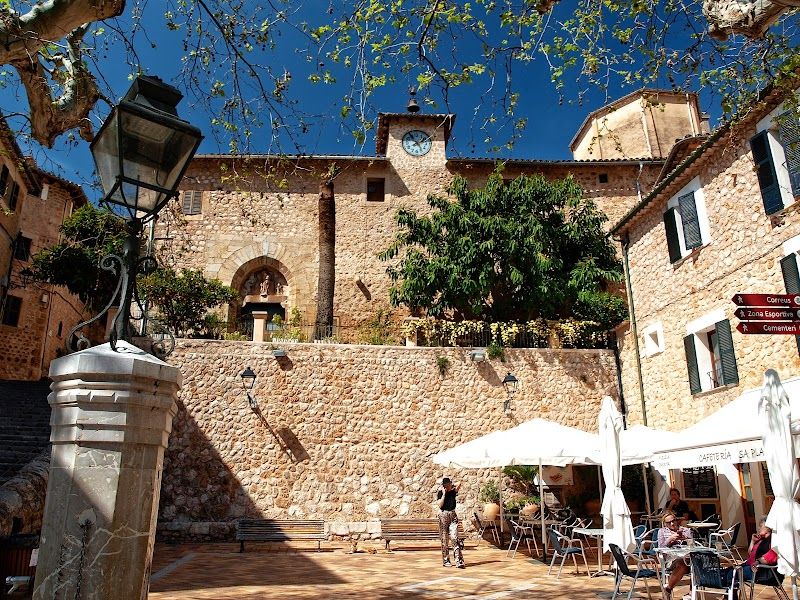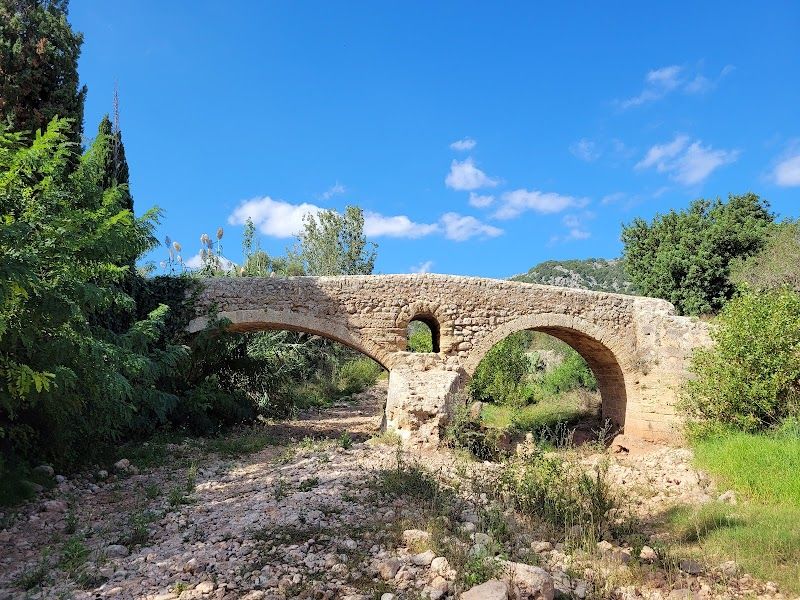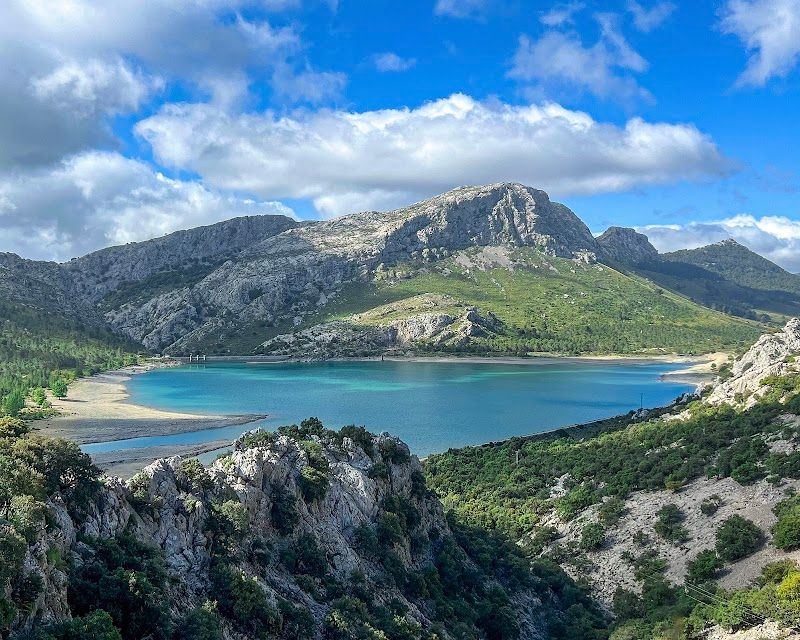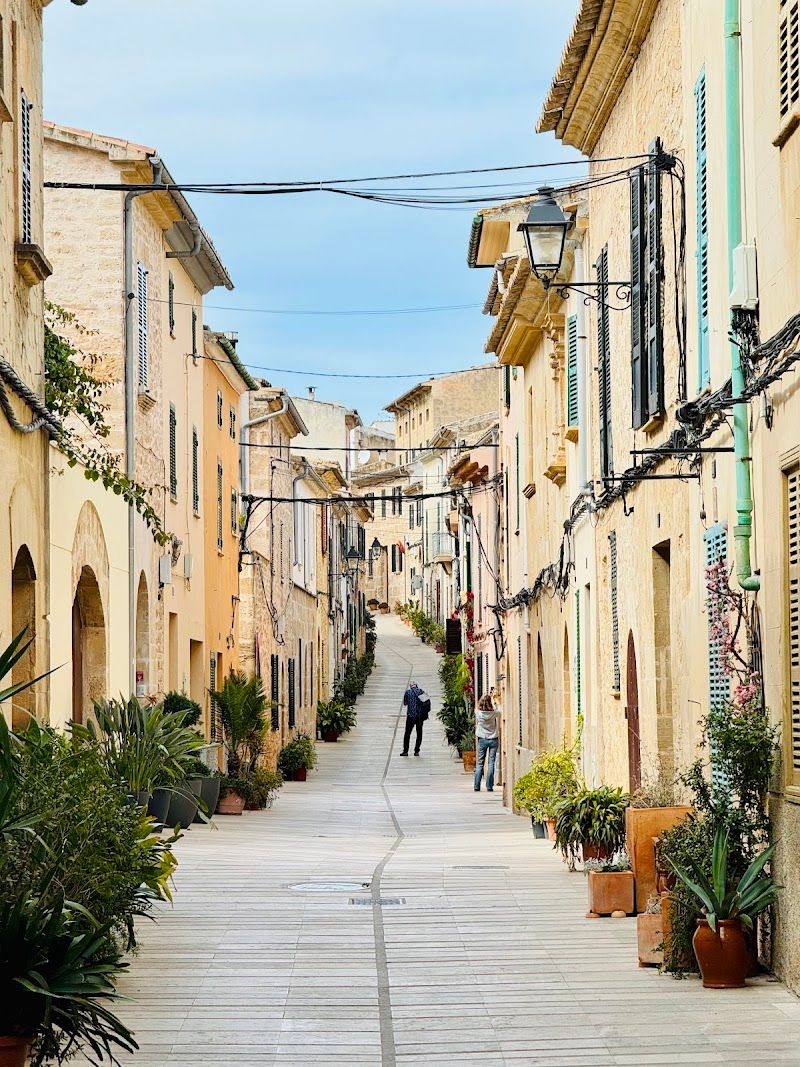
Mallorca suffers from an image problem. Most people picture package holidays, crowded beaches, and British pubs. What actually exists is Spain's most complete island: the UNESCO-listed Serra de Tramuntana mountains running the entire northwest coast, stone villages that have barely changed in centuries, hiking trails through olive groves older than America, and a coastal road that ranks among Europe's best drives.
This Mallorca travel guide cuts through the misconceptions to show you the real island. You'll find specific neighborhoods worth your time, exact prices for everything from museum tickets to menú del día lunches, and honest verdicts on which beaches deserve the hype and which are tourist traps.
Understanding Mallorca's Geography
Mallorca divides into eight distinct regions, each with its own character and purpose. Palma anchors the southwest as a proper Mediterranean city with Gothic architecture and serious restaurants. The Serra de Tramuntana dominates the northwest coast with limestone peaks, terraced hillsides, and villages like Valldemossa and Deià that attract artists and writers.
The north centers on Pollença and Alcúdia, where Roman walls meet medieval streets and the mountains drop into the sea at Cap de Formentor. The east coast offers the best cove-hopping, with hidden beaches accessible only by foot and the famous Coves del Drach near Porto Cristo.
The southeast produces the postcard images around Santanyí, while the south remains the least developed, anchored by Es Trenc beach. The interior plateau (Es Pla) grows the island's food and hosts weekly markets that locals actually attend.
Getting Around Mallorca
Transportation Within Palma
Palma's EMT bus system connects the city efficiently. A single ticket costs EUR 2, but the T-10 card at EUR 15 makes sense if you're staying several days. The historic center works best on foot, though the hills around Bellver Castle will test your fitness.
The tourist Palma City Sightseeing Bus costs EUR 20 for 24 hours and covers major sights, but walking reveals more of the city's character. Taxis from the airport to central Palma run EUR 25-35 depending on time and destination.
Island-Wide Transportation
Renting a car transforms your Mallorca experience. The Ma-10 coastal road through the Serra de Tramuntana requires your own wheels, and many of the best beaches hide down unmarked dirt roads. Major rental companies operate from Palma airport, with prices starting around EUR 25 per day for a compact car.
TIB intercity buses connect major towns for EUR 2.5-8 depending on distance, but schedules limit spontaneity. The historic Sóller train offers a scenic route through the mountains for EUR 32 round trip, though it's more tourist attraction than practical transport.
Where to Stay: A Mallorca Guide by Region
Palma: The Urban Choice
Palma offers the island's best restaurant scene, cultural attractions, and transport connections. The Gothic Quarter puts you steps from Palma Cathedral (La Seu) and the narrow streets around it. Budget hotels start at EUR 45-75 per night, while boutique properties in converted palaces run EUR 120-250.
The Santa Catalina neighborhood, west of the center, has evolved into Palma's dining district. You'll pay slightly more for hotels here but gain access to the city's most innovative restaurants and the renovated market.
Serra de Tramuntana: Mountain Villages
Valldemossa and Deià offer the most atmosphere but command premium prices. Small hotels in restored stone buildings typically charge EUR 150-300 per night. Book months ahead for summer stays, as room inventory stays limited.
Sóller provides a more affordable mountain base with easier parking and train connections to Palma. The town center has several family-run hotels charging EUR 80-150 per night.
Beach Towns: Coastal Stays
Port de Pollença and Cala d'Or anchor the north and southeast coasts respectively. Both offer proper beaches, marina settings, and accommodations ranging from EUR 60-200 per night. Avoid the overdeveloped areas around Magaluf and Arenal unless you specifically want that experience.
Top Attractions and Activities
Palma's Cultural Heart
Palma Cathedral (La Seu) dominates the waterfront with Gothic spires and a Gaudí-designed interior. The EUR 8 entrance fee includes access to the museum and rooftop terraces. Early morning visits avoid the tour groups.
The Royal Palace of La Almudaina next door costs EUR 7 and showcases royal apartments still used by the Spanish monarchs. Bellver Castle, a 14th-century circular fortress overlooking the city, charges EUR 4 and offers the best panoramic views.
The Fundació Joan Miró Mallorca in nearby Cala Major displays the artist's later works in his former studio. At EUR 9, it provides insight into Miró's creative process and includes sculpture gardens.
Serra de Tramuntana Adventures
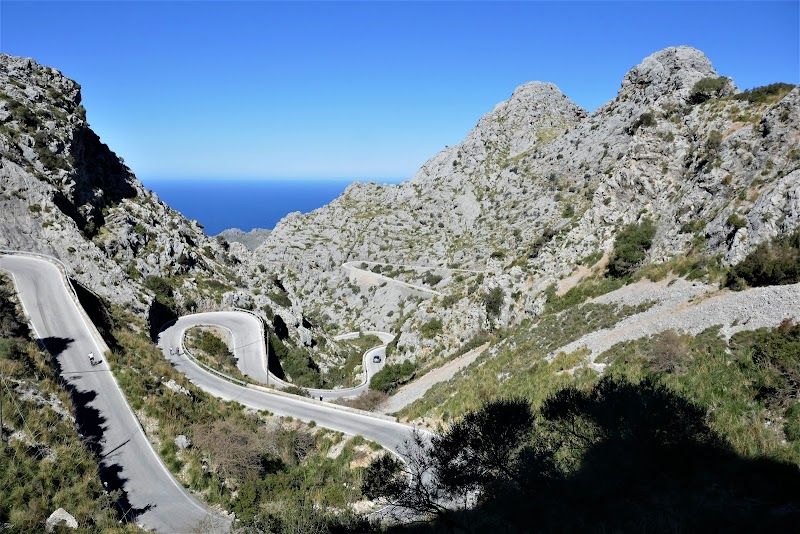
The Ma-10 coastal road ranks among Europe's most scenic drives. The 90-kilometer route from Andratx to Pollença winds through mountain villages, olive terraces, and clifftop viewpoints. Allow a full day with stops in Valldemossa, Deià, and Sóller.
Sa Calobra tests your driving skills with hairpin turns descending to a rocky cove. The road became famous after hosting professional cycling races, but the beach itself disappoints compared to the journey.
Serious hikers tackle the GR 221 Ruta de Pedra en Sec, a multi-day trail crossing the entire Serra de Tramuntana. Day sections between villages offer samples of the route without requiring camping gear.
Beach Experiences
Es Trenc on the south coast provides Mallorca's closest approximation to a Caribbean beach: white sand, turquoise water, and protected dunes. The 2-kilometer stretch remains undeveloped, though summer parking requires patience.
Platja de Formentor at the northern tip offers dramatic mountain backdrops and clear water, but the access road can become congested. Early morning or late afternoon visits work best.
The east coast specializes in small coves accessible by foot. Cala Mondragó near Santanyí requires a 15-minute walk through pine forests but rewards with pristine conditions and minimal crowds.
Underground Mallorca
Coves del Drach near Porto Cristo showcases underground lakes and classical music concerts in cathedral-sized chambers. The EUR 16 entrance includes a boat ride across the largest lake, though the experience feels somewhat commercialized.
The caves represent genuine geological wonder, formed over millions of years. The guided tour lasts about an hour and includes a classical concert performed from boats on the underground lake.
Mallorca Food Scene: A Region-by-Region Guide
Palma's Culinary Evolution
Palma's restaurant scene has matured beyond recognition in the past decade. The Mercat de l'Olivar anchors the city's food culture, operating since 1951 as a working market where locals shop daily. The surrounding streets hide traditional restaurants serving EUR 12-18 menú del día lunches.
Celler Sa Premsa on Plaça del Bisbe Berenguer de Palou represents Palma's traditional dining culture. The cavernous space fills with locals eating pa amb oli (bread with oil and toppings) for EUR 6-12 and drinking house wine at EUR 3-6 per glass.
The Santa Catalina neighborhood has emerged as Palma's dining district, with innovative restaurants opening regularly. Expect to pay EUR 25-40 for dinner at mid-range establishments and EUR 60-100 for fine dining experiences.
Traditional Markets and Local Specialties
The Mercat de Pollença operates Sunday mornings in the town's main square, selling local produce, leather goods, and household items. The atmosphere feels authentic rather than tourist-oriented.
The Mercat de Sineu on Wednesdays represents Mallorca's agricultural heart. Farmers from across Es Pla bring seasonal produce, and the surrounding bars serve traditional breakfasts for EUR 3.5-5.
Ensaimadas, Mallorca's signature pastries, cost EUR 1.5-4 depending on size and fillings. Ca'n Joan de S'aigo in Palma has been making them since 1700 and maintains traditional recipes and techniques.
Mountain Village Dining
Deià punches above its weight in restaurant quality, though prices reflect the international clientele. Ca's Patro March occupies a clifftop location above Cala Deià, serving fresh seafood with dramatic sea views. Expect to pay EUR 40-60 per person for dinner with wine.
Valldemossa specializes in coca de patata, a local pastry made with potatoes that creates a unique texture. Several bakeries around the monastery sell them fresh daily.
Practical Information for Your Mallorca Visit
When to Visit Mallorca
May through October provides the best weather, with July and August bringing crowds and premium prices. June and September offer the sweet spot of warm temperatures, manageable crowds, and reasonable accommodation rates.
Winter visits work for cultural exploration and hiking, with mild temperatures averaging 15-18°C. Many coastal restaurants close from November through March, but Palma maintains year-round dining options.
Money and Costs
Mallorca uses the euro, and prices generally align with mainland Spain. ATMs are widely available, and credit cards work at most establishments. Tipping isn't expected but rounding up restaurant bills or leaving 5-10% for excellent service is appreciated.
Budget travelers can manage on EUR 50-70 per day including accommodation, meals, and transport. Mid-range visitors should budget EUR 100-150 daily, while luxury experiences start around EUR 200 per day.
Language and Communication
Catalan and Spanish are co-official languages, with Catalan predominating in rural areas. English works in tourist areas and Palma, but basic Spanish phrases help in smaller villages. German is also widely spoken due to tourism history.
Most signs appear in Catalan first, followed by Spanish. Place names often differ between the languages (Mallorca vs Majorca), though both are correct.
Getting There and Around
Palma airport (PMI) connects directly to major European cities, with budget airlines offering competitive rates. The Airport Bus Line 1 reaches Plaça d'Espanya in central Palma for EUR 5.
Ferries from Barcelona and Valencia provide car transport options but require overnight travel. The Barcelona route takes about 7 hours and costs more than flying unless you need vehicle access.
Planning Your Mallorca Itinerary
Short Stays (3-4 Days)
Base yourself in Palma and take day trips to the Serra de Tramuntana and one beach area. This approach minimizes packing and unpacking while sampling the island's variety. Our First Time in Mallorca guide details this strategy.
Week-Long Visits
Split your time between Palma (2-3 nights) and a mountain or beach base (4-5 nights). This allows deeper exploration of specific regions while maintaining access to the capital's restaurants and culture. Check our 7 Days: The Complete Mallorca Experience for detailed planning.
Extended Stays
Two weeks or more allows exploration of all regions, seasonal festivals, and hiking the complete GR 221 trail. Consider apartment rentals for longer stays, particularly in Palma where weekly markets and local restaurants become part of daily life.
Family Considerations
Mallorca works well for families, with beaches, cultural sites, and outdoor activities suitable for children. The Mallorca with Kids guide covers specific family-friendly accommodations and activities.
Beyond the Tourist Trail
Authentic Experiences
The Monestir de Lluc in the island's interior serves as Mallorca's spiritual center, hosting pilgrims and hosting the famous boys' choir. The monastery operates a hotel and restaurant serving traditional dishes to visitors seeking authentic experiences.
Fornalutx earned recognition as one of Spain's most beautiful villages, with stone houses climbing the mountainside and orange groves filling the valley below. The village maintains traditional architecture requirements that preserve its character.
Seasonal Festivals
Palma's Sant Sebastià festival in January transforms the city with outdoor concerts, traditional foods, and bonfires. The celebration predates tourism and provides insight into local culture.
Summer festivals in mountain villages like Valldemossa and Deià combine classical music with historic settings. These events attract international performers and sophisticated audiences.
Final Mallorca Travel Guide Recommendations
Mallorca rewards visitors who look beyond the beach resort image. The island offers genuine diversity: mountain hiking, cultural exploration, serious dining, and beaches that rival anywhere in the Mediterranean. Success requires choosing your base carefully, understanding regional differences, and allowing time for spontaneous discoveries.
The most common mistake involves trying to see everything in a short visit. Better to explore two or three regions thoroughly than rush through eight. The island's compact size makes day trips feasible, but each region deserves focused attention.
Plan your visit around specific interests rather than generic sightseeing. Hikers should focus on the Serra de Tramuntana, food lovers on Palma and the interior markets, and beach enthusiasts on the east or south coasts. The island accommodates all interests but rewards focused exploration over superficial touring.
Mallorca has evolved far beyond its package holiday reputation. What you'll find is Spain's most complete island destination, offering mountain scenery, cultural depth, culinary sophistication, and natural beauty that justifies return visits. This Mallorca guide provides the foundation for discovering which version of the island matches your travel style.